

































































Your lung capacity affects your stamina, endurance, energy and mental focus. It may even help determine how long you live, according to the results of the Buffalo Health Study published in the September 2000 issue of "Chest," a...
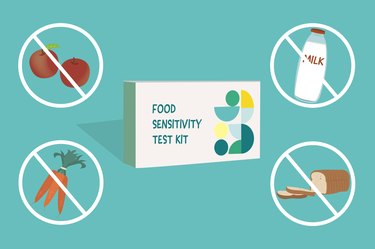
Your digestive system contains an abundance of immune cells. A food allergy develops when these immune cells mistake food proteins for invading bacteria or viruses, triggering the production of antibodies against a specific type of food. Eating...
An increasing number of people suffer from food allergies. According to Dr. Sandra Hong and Dr. Nicola Vogel of the Cleveland Clinic, only six foods account for the majority of allergy cases: cow's milk, soy, wheat, eggs, nuts and fish. The...
Allergy tests can pinpoint or rule out potential allergens so that proper treatment and lifestyle measures can be taken. Skin tests, blood tests and elimination diets are common and generally effective, though multiple tests may be required. For...
Eczema is an irritating and painful skin reaction. According to the American Academy of Allergy, Asthma and Immunology, eczema is characterized by a red, bumpy and itchy rash. Eczema generally affects the face, elbows and knees. Anything from hot,...
Cosmetics, makeup and personal care products are not well regulated; thus, terms like "hypoallergenic," "unscented" and "natural" can mean little to nothing. Allergic reactions to cosmetics can therefore arise, ranging from skin rashes and...
Salicylate is a chemical related to aspirin that occurs naturally in many plant foods. If you are sensitive to this chemical, you may need to eat a diet low in salicylates. You may find that only a few foods cause symptoms, although some people...
Cats shed skin flakes and deposit them in their fur when they groom. This is dander. Allergy-causing proteins in the dander can provoke reactions including hives, rhinitis and asthma. Thorough removal of dander in the home will significantly...
Food allergies occur when your immune system reacts adversely to foods it views as harmful. In the United States, children under age 3 are at the greatest risk for developing food allergies, although up to 6 percent of all children under age 18...
Gelatin's presence extends beyond the ubiquitous fruit-flavored snack. It can be found in medications, vitamins, vaccinations, candies and other food products, where it acts as a sealing agent or preservative. According to the Vegetarian Resource...
Allergies are your body's response to certain types of chemicals and substances. You may suspect that you are allergic to certain particles, such as pollen. In order to accurately determine what you are allergic to, you must undergo testing....
Sesame oil comes from sesame seeds. Sesame seeds are becoming a common food allergy in the United States, according to the Food Allergy Initiative. Sesame seeds are a potent allergen that can trigger minor to severe allergic reactions. Sesame...
Allergy symptoms such as hives, rash, swelling and fever can occur in response to medications. In most cases, a reaction to a medication is not mediated by the immune system but is instead an undesired side effect of the medication. However, an...
Food allergies affect approximately 6 percent of children and 3 to 4 percent of adults, a study published in "The Journal of Allergy and Clinical Immunology" reports. Allergic reactions induced by certain foods are the most common reason for...
People with eczema or atopic dermatitis often develop itchy, intense rashes that become weepy, scaly or fluid-filled over time. The article "Current Opinions in Allergy and Clinical Immunology," by Dr. Thomas Werfel notes that at least 50 percent...
About 6.6 million Americans are allergic to seafood, which can include shellfish and other types of fish such as tuna, according to a study in the July 2004 issue of the "Journal of Allergy and Clinical Immunology." Seafood allergy is lifelong,...
Exercise is supposed to improve your health, so the idea that certain people might be allergic to working out probably seems preposterous. An article in the "Journal of Allergy and Clinical Immunology," however, describes a condition called...
The mesquite shrub or tree belongs to the genus Prosopis and thrives in dry climates. Several species occur in the arid regions of Southwestern United States and Northern Mexico, including P. juliflora, P. velutina, P, pubescens and P. glandulosa....
You may not be aware that blackberries and other fruits, vegetables and nuts contain a naturally occurring chemical related to aspirin. If you are allergic or intolerant of aspirin, you may develop allergy symptoms after eating blackberries....
The sign and symptoms of an allergic reaction to wheat and aspirin develop within a few minutes to a few hours after ingestion. In extreme cases, you may develop anaphylaxis, a life threatening reaction resulting in breathing difficulties. Seek...
Approximately 15 million people living in the United States have eczema, according to the University of Maryland Medical Center. Eczema is a skin disorder characterized by dry, red and peeling skin. Risk factors for eczema include living in a dry...
Many factors cause chronic rhinitis, defined as inflammation of the nasal mucosa for more than four consecutive weeks. According to an article in the "Annals of Allergy Asthma & Immunology," chronic rhinitis significantly impairs quality of...
In nature, peas are found packaged in a pod. In the kitchen, they can be cooked alone or added to a variety of healthy dishes such as salads and soups.
Rhinitis--inflammation in the lining of the nose--is a prevalent condition that costs billions of dollars each year and results in significant burden to sufferers. The symptoms of allergic and vasomotor rhinitis--runny nose, nasal stuffiness and...
A wide variety of different foods can cause allergic reactions. Some foods, such as peanuts, cause allergic reactions in a significant proportion of the population; allergies to these foods are well publicized and widely understood. In other...
Merely drinking milk or eating dairy foods does not directly trigger eczema or wheezing. However, people with a milk allergy may develop symptoms related to wheezing with eczema when they are exposed to milk and dairy products. Dairy products...
If you develop allergy-like symptoms after drinking wine, you may be histamine intolerant. Drinking a glass of wine can cause shortness of breath, sneezing, flushing, headaches and skin rashes if you are intolerant to histamine, according to the...
Soy is one of the eight most common food allergens in the United States, according to MayoClinic.com. Soybean allergic reactions can cause a systemic response that requires treatment with intravenous steroids such as Solu-Medrol, the brand name...
Vitamin D is found in animal sources such as eggs, fortified dairy and fish. However, you will need at least 10 minutes of sunlight exposure to help your body produce the vitamin, according to MayoClinic.com. Vitamin D is essential for calcium...