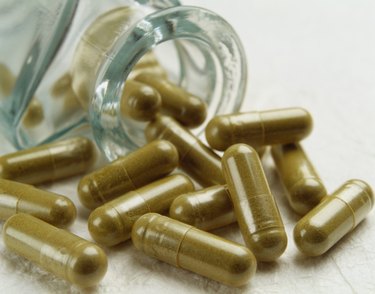
Amino acids have attracted a significant amount of attention in recent years as a natural nutritional supplement. Of course, not all theories about the benefits of amino acids are actually supported by reliable scientific evide...
To stay healthy, you need to get enough of nine amino acids used to build proteins. That requires extra attention when you’re following a raw diet.
The white distilled vinegar in your cupboard has been stripped of most health improving benefits, such as amino acids. Other types of vinegar such as cider and wine vinegar provide necessary amino acids.
Mature adults face a variety of potential health problems as a natural part of aging, often due to weakening of the immune system. As the body ages, it becomes susceptible to conditions related to wear and tear of the joints an...
Risks include persistent or heavy bleeding from a polyp-removal site, bowel perforation, infection and rectal irritation. There are theoretical benefits associated with using certain amino acids prior to and following your proc...
It is classified as a dopaminergic agent, which means it affects the metabolism of dopamine, a signaling neurotransmitter that helps nerve cells to communicate with each other to coordinate movement. Certain amino acids mimic t...
These changes occur particularly in metabolism, as nutrients you ingest are broken down into small molecules. Nutrients like protein cannot digest in whole form and must be dissolved into the small particles, called amino acids...
PMDD occurs in up to 8 percent of all women with PMS, according to MayoClinic.com. If you fall victim to PMDD, you should be aware that certain amino acids – and their byproducts – have a strong link to the incidenc...
Clomid, or clomiphene citrate, is a prescription medication that can help women who are infertile. Amino acids are nutrients that are essential for protein and energy metabolism and synthesis of hormones and neurotransmitters. ...
Sometimes referred to as dextroamphetamine, Dexedrine has been used to improve mood and cause weight loss in some patients. Although there have been few studies performed on the effects of amino acids and Dexedrine, no known in...
It is a monoamine oxidase inhibitor, or MAOI, meaning that it blocks monoamine oxidase, a system of enzymes in your body. Tyramine is the one amino acid of concern when taking Nardil. Talk to your doctor for specific dietary co...
Far from having low intelligence, however, many dyslexic individuals have exceptional musical, mathematical or artistic abilities. You may need an intense, multi-faceted program to help dyslexic children keep up in school. Prop...
Histidine, an essential amino acid, is part of the imidazole functional group. Amino acids help to build proteins, which make up every part of the human body and help regulate some metabolic functions.
The old adage, "an apple a day keeps the doctor away" may come to mind when you consider the amino acids an apple provides. Amino acids are the building blocks of protein and are classified both by polarity and as eit...
A healthy gallbladder barely attracts notice, but one that is malfunctioning can cause pain and require a trip to the doctor or hospitalization. Deficiencies in certain amino acids can contribute to gallbladder disease, so care...
Studies using modern imaging techniques indicate that the brains of adolescents and teenagers continue to change and remodel into early adulthood. Consuming certain amino acids such as tyrosine and tryptophan is especially impo...
Healing from a fracture involves rest and immobilization of the damaged bone. In addition, proper nutrition is essential to support your immune function during this time and to supply your body with nutrients to repair injured ...
Amino acids and peptides are both organic compounds consisting of variations of nitrogen, carbon, oxygen, hydrogen and in some instances, sulfur. Both are directly associated with protein and play important roles in facilitatin...
Proteins are complex structures made out of chains of amino acids bonded together by peptides. They are present in all human and animal cells and play a variety of different roles to enable their survival. Classification of pro...
This leaner meat also makes a great base for sandwiches and can even substitute for ground beef in some dishes. Processing turkey to taste like beef can save you some saturated fat. Turkey is an excellent source of protein, con...
Amino acids are the building blocks of proteins. Of the 20 amino acids that comprise the structure of proteins, 10 are produced in the body. The other 10 amino acids are essential, meaning they must come from the diet. Aspartic...
Amino acids, the building blocks of proteins, can be taken as a nutritional supplement to augment your protein intake from whole foods or to substitute for proteins in your diet. Whether you take them as purified amino acids or...
An anxiety disorder can cause significant impairment to your ability to function and negatively impact your feelings of well-being. While psychotherapy and/or medication are often prescribed to reduce symptoms of anxiety, some ...
Amino acids are small molecules that join together in specific configurations to form proteins. The proteins you consume in your diet break down to create a pool of individual amino acids, which your body then uses to synthesiz...
Lentils are tiny nutritional powerhouses that offer a variety of health benefits. They are often star players in a balanced vegetarian diet. While lentils do contain all nine essential amino acids that are required by humans, t...
Amino acids generate the energy needed to maintain your health and well-being. Athletes take these substances to gain strength and size, according to an October 2009 review in "Critical Care Medicine." Doctors have st...
Amino acids are the building blocks of proteins and precursors to neurotransmitters, hormones and other important substances in your body. Plaque is a substance that clogs your arteries and blocks blood flow, increasing your ri...
Amino acid pills are a nutritional supplement that provides protein building blocks to your diet. For women, amino acid pills can give you a boost of nutrients to help build muscle or can supply low-fat protein precursors to ma...
Amino acids are the building blocks of protein, a nutrient your body needs to perform numerous functions. Pregnancy increases your need for certain nutrients, including protein. A balanced diet generally provides adequate amoun...
HGH, or human growth hormone, has become the performance enhancer of choice for aging athletes and also for some non-athletic baby boomers. Some physicians and many athletes claim it increases muscle building and fat burning a...
Amino acids are organic compounds that attach to one another to form proteins. Although the exact number of amino acids in existence is still in dispute, the consensus is that the total number of amino acids is 20. These 20 ami...
Amino acids are the raw materials that make up protein. Nutritionists used to believe that all of the essential amino acids needed to be consumed at the same time in order for you to obtain adequate protein from the foods you e...
Trace elements and essential amino acids are structurally different and perform different roles in your body, but both are vital for good health. Trace elements are minerals you require in very small, or trace, amounts in your ...
Amino acids are small molecules that serve as the building blocks of proteins. Carbohydrates, which are molecules of variable sizes, consist of starch and sugars. Both amino acids and carbohydrates are nutrients essential for g...
Amino acids are the building blocks of proteins, and proteins make life possible. There are 20 amino acids, and 10 of these are considered essential. While the word essential highlights the necessity of these amino acids for go...
Whether you are trying to bulk up, get stronger or just improve your diet, protein powders are a convenient source of amino acids. With so many products on the market, it can be tough to decide which is right for you. The amino...
Amino acids are small molecules that, when joined together in a long chain and folded into a globular structure, form a protein. Your body creates different proteins by putting together unique combinations and sequences of amin...
Arroz con leche is a traditional Mexican recipe that is similar to rice pudding. As the name indicates, the pudding is made with arroz, or rice, and leche, or milk -- but it also contains cinnamon, an egg, vanilla extract and o...
The cacao bean contains more than 400 chemicals, and many of them are biologically active. The darker the chocolate, the more amino acids it possess. Most often, the presence of these amino acids and other substances offers hea...
Amino acids are the molecules that make up protein. While there are dozens of types of amino acids, a handful are especially important to nutrition and should be a part of your daily diet. Fortunately, these amino acids are ple...
Your pregnancy diet should include, in general, 71 g of high-quality protein, according to the Ohio State University Extension. Amino acid supplements can help you meet your protein needs, but, as with any dietary supplement, c...
Red meat is a complete and high source of protein that is easy to digest and contains all of the essential amino acids that you need for good health. During digestion, your body breaks the protein from red meat down and your ce...
Leucine, isoleucine and valine are three essential amino acids that accumulate in infants who have maple syrup urine disease, a disease which is also referred to as branched-chain ketoaciduria. There are several types of this d...
Eating a healthy, well-balanced diet rich in protein ensures you get all of the amino acids your body needs. Amino acids are the building blocks of protein, and the recommended dietary allowance for sedentary individuals is 0.3...
A food can contain one, two or all three nutrients. Fats break down into fatty acids, carbohydrates are converted into glucose and proteins break down as amino acids. Understanding this process and the components of each nutrie...
The human body needs proteins, made up of amino acids, to build and repair muscle cells, to function as enzymes, to produce hormones and to provide energy. During the process of digestion, your body breaks down proteins into th...
Amino acids are the building blocks of all proteins, and therefore you need to eat an adequate amount the building blocks to power your muscles and metabolism. Like many other nutrients, consuming an excessive amount of amino a...
The amino acid arginine is naturally present in many foods. It's also available as the supplement L-arginine; it's found in amino acid products, such as supplements for vegetarians and bodybuilders. Consuming foods higher in ly...
Amino acids are the building blocks of all proteins, including the proteins that make up a large portion of our bodies. Humans can biosynthesize most of the amino acids from other molecules. However, we need to ingest nine amin...
According to MedlinePlus, garlic has been used to treat high blood pressure, high cholesterol, heart attacks and hardening of the arteries and to prevent colon, stomach, breast, prostate and lung cancer. As well as providing a ...
Athletes and couch potatoes alike need the same nutrients, though athletes need more of them. Your performance is dictated by your training, but your training is supported by your diet. A runner on a low-carb diet is more likel...
But before long, the bleeding slows and then stops as a scab begins to form. Your body's remarkable ability to recover from a flesh wound begins with the coagulation of blood platelets formed from amino acids.
Amino acids are the building blocks of all proteins, and each individual protein contains its own specific sequence of amino acid molecules. Amino acids are connected to one another by peptide bonds. Twenty two amino acids are ...
Among the most important nutrients is protein, as it provides amino acids that your body uses to build and repair muscle, activate enzymes and promote other effects. Not all amino acids have direct sports benefits, but you may ...
The proteins in your body that make up your muscles, ligaments, tissues, catalysts and intermediate compounds for metabolism are all composed of only 20 amino acids. These building blocks of life contain varying side groups and...
Because your body doesn't store extra protein the way it does fat, you'll need to get enough amino acids from food regularly to avoid breakdown of muscles and other tissues. Excess amino acids and protein don't stimulate muscl...
Amino acids are small molecules that, when joined together in a long chain and folded into a bundle, create a protein. In nature, 20 different amino acids mix and match to form a wide variety of proteins, whose function depends...
For humans, lysine is one of the essential amino acids -- an amino acid you have to obtain from your diet. Ten of the other 19 amino acids, however, are not essential, meaning your body can synthesize them from other components...
Amino acids make up the building blocks of protein. Some amino acids can be made by the human body, while others must be eaten in protein-containing foods. Fish, chicken, and beef each has a unique combination of amino acids. E...
Amino acid supplements can serve as a means to increase your daily protein intake or, when taken as individual amino acids, as therapy for certain health conditions. Amino acid supplements can benefit your overall nutrition, bu...
As with other autistic spectrum disorders, Asperger's syndrome results in impaired communication and social skills. While the causes aren't yet completely understood as of date of publication, researchers believe that a combina...
The Institute of Medicine Food and Nutrition Board recommends a daily linoleic acid intake of 5 to 6 percent of total calories, and most people consume 6.7 percent, according to a 2009 issue of "Circulation." Most studies addre...
Amino acids are the building blocks for proteins. They provide the body with the energy needed to create hormones, antibodies, enzymes and tissues and help maintain the necessary acid-alkali balance. While amino acids can be cr...
Amino acids are the building blocks of protein. There are nine essential amino acids you must obtain from your diet: isoleucine, leucine, lysine, methionine, phenylalanine, threonine, tryptophan, valine and histidine. Each cell...
The endocrine system and nutrition intertwine to help you sustain health. The endocrine system secretes hormones into the bloodstream to regulate your body, and eating different types of foods can affect certain hormones, which...
Ten of the 20 amino acids that constitute human proteins can be made within the body from endogenous materials, but the other 10 must be obtained from the diet. The amino acids that need to be ingested are called "essential" a...
Amino acids are the building blocks for the proteins, enzymes, hormones and neurotransmitters that your body manufactures. All amino acids share a general structure composed of four groups of molecules: a central alpha-carbon w...
Oysters are similar to other types of seafood in that they are rich in protein, a nutrient essential for retaining and building muscle and other tissues. Protein is made up of amino acids, so oysters provide a wide range. Oyste...
Amino acids are the chemical building blocks of proteins. They are a major component of just about every structure in the human body, such as muscle fibers, skin, cell membranes, hormones and specialized enzymes that facilitate...
Proteins consist of a long string of small building blocks called amino acids, linked together and folded into a globular structure. When you consume protein, your digestive system breaks down the protein molecule into individu...
Calcium, amino acids and phosphate are all nutrients required by the body for its daily functions. You can get these nutrients from your diet, though many people take supplements to ensure they meet their recommended daily requ...
Amino acids are organic compounds that come together to form proteins, and together they are the building blocks of life. In your body, when proteins are digested, amino acids remain and help to digest food, grow and repair bod...
Plain yogurt is full of vitamins, minerals and protein, but it also provides you with amino acids. These compounds are critical for brain function as well as many other body processes. Eat yogurt to boost y
Amino acids and sugars are essential ingredients in your biochemistry. Simple sugars, or monosaccharides, such as glucose, fructose and mannose, provide fuel and raw materials, while amino acids serve as the building blocks of ...
Total parenteral nutrition, abbreviated as TPN, is an intravenous method of providing nutrients to you when your digestive system is not capable of processing food. Usually TPN is a combination of carbohydrates, proteins, fats,...
Amino acids play a critical role in the function of your body -- they influence metabolism and help maintain the proteins in your body. You can only manufacture half of the amino acids you need for best health, but you can get ...
Amino acids contained in proteins are an essential part of a healthy diet. The reason lies in the numerous functions that amino acids serve. They are involved in virtually all functions of the body. When you consume adequate am...
Amino acids in your diet function as building blocks for proteins in your body. Without a sufficient level of proteins, your body wouldn't be able to properly grow or maintain its tissues. Amino acids are also responsible for h...
All protein molecules contain amino acids, and the body contains 20 essential and nonessential amino acids. Eleven of the amino acids are nonessential because the body produces them as necessary. However, the body cannot produc...
Protein makes up only 2.5 percent of a baked potato, according to the USDA National Nutrient Database. Protein itself consists of a sequence of molecules known as amino acids. So, although potatoes do contain amino acids, they'...
Spelt is low in carbohydrates and fat with a moderate amount of protein. Due to its protein content, spelt contains a variety of amino acids, although it is a better supply of certain amino acids than others.
Amino acids are organic molecules used by your body for a variety of purposes, including energy production. Unlike carbohydrates and fats, which are the other two principle sources of energy in your diet, amino acids contain ni...
Amino acids are essential dietary requirements to help build muscles and regulate metabolism. While the human body can produce 10 amino acids on its own, it must get the remaining 10 through diet. For those that eat traditional...
Your body needs amino acids to perform necessary body functions, including breaking down foods, repairing body tissue and helping with growth and development. Amino acids can determine your moods and physical performance by reg...
Amino acids are considered the building blocks of protein and are essential for the proper growth, maintenance and function of all of your body's cells, tissues and organs. Several amino acids have been identified to help treat...
Amino acids are nitrogen-containing molecules that serve a variety of purposes in your body. Their most prominent function is in the manufacture of proteins, which are complex molecules composed of long chains of amino acids. T...
Depending on the strictness of the diet, a vegetarian might also avoid other animal products, such as seafood, dairy or eggs. Following a poorly-designed restricted diet can increase a vegetarian's risk of nutrient deficiencies...
Amino acids are the building blocks of protein, and play a crucial role in the metabolic processes necessary for life, growth and development. Each amino acid carries the label of essential or nonessential, with the former type...
Legumes, which include peas, beans, lentils, soybeans and peanuts, are also an excellent source of fiber and naturally low in cholesterol and fat. While most legumes are not complete proteins, they do provide most of the essent...
Many of the processed foods you eat have additives that enhance color, flavor and shelf life, and most have been approved for human consumption by the FDA. But one additive, melamine, whose chemical structure mimics protein, ha...
Gamma linolenic acid, or GLA, is an omega-6 fatty acid typically found in plant oils such as primrose, black currant seed, and borage oils. Omega-6 fatty acids, along with omega-3s, are crucial in supporting brain function and...
Your optic nerves connect to the visual centers of your brain, which convert the thousands of neural signals from your eyes into a complete image. Several compounds support the function of your optic nerves, including a number ...
Grains provide an excellent dietary source of fiber that can offer several health benefits. They also contain essential amino acids that are vital for good health. Amino acids are the building blocks of proteins. By consuming g...
Amino acids provide the chemical structure for the proteins that your body and brain depend on for energy. Your body makes some amino acids itself and depends on the food and drink you ingest for others. To keep yourself at you...
Amino acids are the building blocks of protein. There are 23 of them, according to Bodybuilding.com, and this includes both essential and nonessential amino acids. Essential amino acids are especially important because your bod...
If you are involved in regular physical activity, and particularly if you are careful about eating a healthy diet, you likely know that amino acids are important for good health. However, you may not realize the integral part a...
Amino acids are the building blocks of protein and the cells and tissues of your body, so they can have an effect on your weight. Different amino acids have different roles and functions, so some are more suited to weight gain ...
An inspection of the labels reveals the manufacturers' claims that each is essential to building muscle, and in a way, that's true. But that doesn't mean all the various supplements are necessary. You get protein from your diet...
Amino acids link together in chains to form the building blocks of protein -- one of three macronutrients needed by the human body. Bonds are formed from as little as two amino acids and up to 1,000 in a variety of combinations...
You normally get the amino acids you need for good health from synthesis within your body or by eating the essential amino acids through your diet. The term "essential" means that you need these amino acids, but your body canno...
Amino acids are small molecules containing carbon, hydrogen, oxygen and nitrogen atoms. Amino acids link together in a long string and then fold into a globular shape to form a protein. One chemical property of amino acids is k...
In 2009, there were 616,067 deaths related to heart disease --- more than six times the deaths related to pulmonary or respiratory diseases. Amino acids, along with exercise and other healthy lifestyle choices, can help to keep...
Amino acids are the building blocks of protein. Amino acids serve several functions in the body. They repair muscles after exercise or injury. They also help repair skin tissues. Amino acids also help produce many hormones. The...
Amino acids function as the building blocks of proteins. As you consume protein in your diet, your digestive system breaks the protein down into its individual amino acids. Your body then uses this collection of amino acids to ...
Amino acids are organic compounds which combine to form proteins. Protein is vital for human life, as proteins form, maintain and rebuild tissue in your body. When your body digests protein, amino acids are the byproducts and t...
Amino acids are the building blocks of protein molecules that your body requires to build muscle, produce hormones and create enzymes. There are 20 different amino acids identified. Your body can produce 10 of the 20 amino acid...
Diet is an important part of treating kidney disease -- and becomes progressively more important as kidney function declines. Taking specific amino acids will not help your kidney disease and can even make it worse. Medline Plu...
Phenylalanine is an amino acid that cannot be synthesized by the body. For you to have adequate levels of phenylalanine to support brain health, you must consume phenylalanine-rich foods on a regular basis. In children, phenyla...
Amino acids are small molecules that play a key role as building blocks for proteins and other structural and metabolic components in your body, such as your muscles and the enzymes that catalyze reactions. The body only uses 2...
Amino acids are the molecules your body uses to create its proteins, control its cellular processes and break down and use the foods in your diet. One specific category of these acids, called essential amino acids, must come fr...
Your body uses amino acids to build needed proteins and to assist in metabolism of nutrients. You can produce approximately half of the various amino acids internally, but you must obtain the others through the foods you eat. T...
Your mood can affect your outlook in life, which is why it is beneficial to understand how amino acids can lift your spirit the next time you are feeling blue. Mood disorders are types of mental health disorders that affect you...
Amino acids are one of the most important molecules that support the human body. Specifically, amino acids play two fundamental roles in your body. They serve as building blocks for proteins and play a critical role in metaboli...
Arginine, lysine and ornithine are amino acids that your body uses to facilitate growth, according to a 2002 article in "Nutrition." This is because these specific amino acids stimulate the release of growth hormone, or GH. How...
GABA, or gamma-aminobutyric acid, is an amino acid that calms nervousness in the central nervous system. In the brain, GABA deficiency is believed to cause rapid firing of nerve cells leading to increases in agitation, anxiety,...
Amino acids are nutrients that play an important role in your health as they are the building blocks of protein. Certain amino acids are considered essential because your body cannot manufacture them; you must get them from you...
Amino acids are molecules that display a wide range of chemical versatility. Most importantly, the 20 amino acids that exist within nature form the building blocks of every protein in your body; DNA encodes for the sequence of ...
This type of fish is very low in fat and calories but a rich source of protein. Because of the high protein content, Alaskan pollock offers a wide range of amino acids, some of which offer significant benefits for athletes.
Amino acids are substances in your body that you rely on to manufacture your proteins and maintain certain aspects of your moment-to-moment energy usage, or metabolism. At their core, all amino acids are constructed from the sa...
Nutritionists separate amino acids into two distinct categories: essential and non-essential. Essential amino acids, also known as indispensable amino acids, are those that your body cannot synthesize on its own. The essential ...
Amino acids form the building blocks for proteins. There are 10 essential amino acids that your body is unable to make, which must be obtained from food sources. These include cysteine, methionine, tyrosine, lysine, threonine, ...
Protein can be found in most foods, including meat, dairy, beans, nuts and grain products. Protein is essential for building bone, muscle, skin and blood, according to the USDA. It also plays a vital role in enzyme, hormone and...
Almonds are a good addition to your well-balanced diet because they contain many nutrients that support overall health. They also contain small amounts of amino acids, some of which your body can produce and some you must get f...
Important for timekeeping, the pineal gland releases this hormone each night as a chemical indicator of darkness. Melatonin also affects other hormones including substances made from amino acids. A review in the August 2004 iss...
Amino acids are more than just a sports supplement -- they're the molecular chains that bind together to form large, complex protein molecules. When you eat protein, your digestive system breaks the big molecule down into its c...
When you eat foods that contain protein, the digestive system breaks down the proteins in order to get to and use the amino acids for specific functions. Since certain amino acids have been connected to areas such as energy, mo...
The body can only produce 10 of the 20 amino acids it needs; the rest must be obtained from the diet. Lack of certain amino acids might have an effect on the metabolism of food and, as a consequence, your weight.
Grains, or cereals, are the seeds of grasses such as barley, wheat and corn. Whole grains, grains that have not been processed, have more nutrients. Grains provide your diet with complex carbohydrates, minerals such as potassiu...
Amino acids are nutrients essential for health and prevention of disease. They contain carbon, hydrogen, oxygen and nitrogen. After absorption from foods or supplements, amino acids are involved in numerous chemical reactions t...
Amino acids are the compounds that attach together to form proteins. When you consume proteins, your digestive system breaks them down into amino acids which are used to repair tissues, break down food and keep you healthy. You...
Amino acids aid in the development of muscle and other body tissues and also affect many metabolic processes. Amino acids may also help you maintain your weight, so an inadequate intake of amino acids can be detrimental for wei...
Amino acids, the small molecules that link together to form a protein, are a rich source of nitrogen for your body. Taken individually, specific amino acids may serve as a dietary or food supplement. However, single amino acids...
Amino acids are nitrogen-containing molecules that play important roles in metabolism and serve as the building blocks for proteins. According to scientists at the University of Arizona, proteins control virtually all of the da...
Amino acid are the building blocks of the many different kinds of proteins in your body and contribute to countless processes that keep you healthy. Your brain relies on amino acids to transmit nerve impulses; some amino acids ...
Amino acids are substances you rely on to form all the proteins in your body. In turn, you rely on these proteins for vital functions that include gene regulation, formation of cellular structures and transportation of oxygen i...
Schizophrenia is the most familiar example of a psychotic disorder. Treatment of psychosis usually involves the use of medications that block the actions of neurotransmitters, specifically dopamine and serotonin, which are synt...
Protein synthesis in humans is directed by deoxyribonucleic acid, or DNA. Proteins are made of building blocks called amino acids. The sequence of your DNA determines what amino acids are produced and where in the protein they ...
Protein is one of the most essential macronutrients in the human diet because your body metabolizes it into the amino acids your cells need for healthy function and renewal. Children in particular need sufficient amino acids i...
Also called a disulfide bridge, a disulfide bond possesses unique chemical properties by virtue of its length, flexibility and relative strength in comparison to other types of chemical bonds. The disulfide bonds formed by cyst...
Spirulina -- a species of marine blue-green algae -- makes for a nutritious addition to smoothies, soups and juices, helping to boost the nutrient content of your diet. This algae contains a number of essential nutrients includ...
Our bodies require 22 amino acids to survive. Amino acids play an important role in muscle building, but also provide a range of benefits. The body is capable of producing certain amino acids on its own, but essential amino aci...
Protein is not only an essential dietary nutrient, but also an important component of all cells in your body. Digestion breaks dietary proteins into their individual building blocks of amino acids, which the body uses to make d...
If you take amino acid supplements, you may wonder whether they can cause you to gain weight, since they contain calories. Amino acids do contribute to your daily caloric intake, but you generally take them in very small quanti...
Amino acids are nitrogen-containing molecules that perform a variety of functions in your body. Their most familiar role is in the synthesis of proteins, which form the structural basis for your connective tissues, organs, musc...
Amylase starts working in your mouth, but it is also secreted by your pancreas into the small intestine. The role of amylase is to break down starch and other carbohydrates into simple sugars that can be absorbed and utilized f...
Amino acids are often called the building blocks of life. This is because they are the foundation of proteins. Proteins make up the cells of the body, help the body to grow and repair and carry out bodily tasks. You are not abl...
Amino acids are the building blocks of proteins, many of which your body manufactures itself through its internal processes. Essential amino acids are those your body can't produce on its own and must get from your diet, and th...
Protein plays an important role in the health of all your cells and tissues. Protein contains numerous amino acids, the substances your brain requires to create neurotransmitters. The complex interactions of neurotransmitters s...
GABA amino acids, also known as g-aminobutyric acid, are inhibitory neurotransmitters that are found in decreased quantities in people who have anxiety disorders. While it's normal to feel anxious and unable to relax from time ...
Amino acids are vital to protein formation and they serve as intermediaries in metabolism. Twenty amino acids are in the body in various combinations to provide different functions. The chemical properties of amino acids help t...
Serotonin is not found in foods, so it must be manufactured in your cells from precursors acquired from your diet. Several neurotransmitters, including serotonin, are synthesized from amino acids, which are nitrogen-containing ...
Amino acids are the building blocks of your body's tissues, including muscle, so consuming amino acids can offer a wide variety of benefits, such as improving sports performance. Just as different amino acids promote different ...
Everyone needs amino acids. Though your body produces certain ones, you need food or supplements in order to receive the essential amino acids your body does not produce.. Amino acid supplementation can be beneficial to women w...
Multiple systems within your body work in careful coordination with one another to regulate the level of salt, according to the Linus Pauling Institute. Your body uses sodium to facilitate the absorption of other nutrients such...
While protein and weight-gain supplements are effective for improving body composition and athletic performance, you can also make significant progress by using amino acids in conjunction with your exercise program. Though amin...
Your body uses the amino acid L-tyrosine to produce important hormones and neurotransmitters. Medications and medical conditions that affect the levels of these hormones and neurotransmitters can interact with supplements conta...
Alcoholics, however, keep drinking despite mounting consequences, driven by cravings that override their common sense and survival instincts. To help understand and treat the phenomenon of alcohol craving, it's important to und...
A ketogenic diet, while allowing you to drop body fat, presents challenges, including recovery from exercise. Branched-chain amino acids can sometimes help with this, and may allow you to better tolerate a ketogenic diet. Like ...
Nutritional yeast varies slightly from brewer's yeast and common baking yeast. Nutritional yeast provides an abundance of protein in the form of amino acids, as well as other important nutrients, making this food substance a ty...
Andrew Weil in his book, "Natural Health, Natural Medicine," they are able to make endless numbers of proteins, which are used throughout the body. Recently, the popularity of amino acid supplementation has increased, especiall...
Your body uses about 20 primary amino acids for multifunctional purposes. Taurine is one of those amino acids. Though it is not involved protein synthesis, it is present in your tissues and plays important role in your cardiac ...
Amino acids are the building blocks of proteins. When you eat protein-containing foods, your body breaks the protein down into individual amino acids. This pool of amino acids is then used to synthesize new proteins your body n...
Amino acids are the building blocks of protein. They all have similar structures except for their side chains, which are different for each amino acid. Amino acids can be categorized by the characteristics of those side chains....
Amino acid supplements are popular for many purposes. Fans of the supplements claim they help increase muscle mass and can affect your hormone levels. While many of these claims lack scientific evidence, one thing is for certai...
Amino acids in the diet either come from protein or from amino acid supplements. Amino acids are important for the health of the body, but consuming too much protein or amino acids can put a strain on your kidneys, because amin...
Amino acids are the building blocks of protein. Marketed as sports performance enhancers, amino acid supplements are sometimes used by athletes seeking greater muscle mass and protection against muscle wasting during prolonged ...
Proteins make up about 20 percent of your total body weight, according to the website Medical News Today.com. Proteins and enzymes are made of similar components and both are essential to life, but they play different roles. Th...
Rice is not high in amino acids -- though it does contain small amounts of many different kinds. Amino acids occur in foods rich in protein. Your body can't create all of the amino acids it needs, so you need to get essential a...
The building blocks of protein, amino acids, perform many functions within your body. Some amino acids perform unique individual functions, and you must take them in via dietary protein, making them essential for life. You synt...
Amino acids are building blocks for protein in the body. Healthy individuals make 80 percent of amino acids naturally, while the remaining 20 percent is obtained when the body breaks down dietary protein into amino acids. Infec...
But that eagerness to excel can have health risks, especially if strength trainers use dietary supplements without the guidance of a doctor. The use of amino-acid supplements is common in the strength-training community, becaus...
Creatine is a type of amino acid produced by your body and is also found in meats and other animal products. It can be taken in supplement form to help enhance workout recovery and athletic performance, although its possible si...
Amino acids are chemical structures that your body chains together to form substances called proteins. You manufacture some of these acids internally, while you must get others from protein-containing foods in your daily diet. ...
Amino acids are nitrogen-containing molecules that serve a variety of purposes in your body. Their most familiar function is in the construction of proteins, which are long chains of amino acids that become the enzymes, antibod...
Amino acids are substances that make proteins and neurotransmitters and provide energy. Of the 20 amino acids that make proteins, nine are essential because you must get these from foods. Essential amino acids can make nonessen...
Amino acids are the building blocks of proteins that form many of the structural tissues and hormones, neurotransmitters and other important molecules that keep your body functioning efficiently. Some amino acids contribute to ...
Bragg Amino Acids, also known as Bragg's Liquid Aminos, is a non-fermented soy sauce used to season foods. Bragg, the manufacturer of this product, has trademarked this seasoning. Further, Bragg claims that this product is a go...
All protein in your body is formed from compounds called amino acids. Twenty amino acids form numerous combinations to create the 50,000 kinds of proteins needed to make up every cell in your body. Nine amino acids can only be ...
Each amino acid has different characteristics, so some also provide beneficial effects for fat and weight loss. While amino acids can benefit your dieting efforts and overall health, you should consult a doctor prior to using t...
Amino acids are the building blocks of protein and play an integral role in metabolic processes and brain activity. Ten of the 20 known amino acids are produced naturally in the body while the others must be delivered through f...
Many products on the market contain a variety of amino acids along with various forms of creatine in the same mixture. Both products have been tested and validated for effectiveness. If you are consuming creatine before or afte...
Amino acids are building blocks of protein, which is required in your body to make enzymes, muscle tissue, skin, hair and fingernails, among other things. Of the 22 amino acids used by humans, eight are considered essential for...
Amino acids are the building blocks of proteins. Amino acid supplements are among the most popular sports supplements for athletes. They can be taken separately as single amino acids or in combination as amino acid cocktails. T...
Chronic fatigue can be debilitating and includes symptoms of weakness, muscle pain, impaired memory and concentration, and insomnia. Research has suggested that the central nervous system plays a important role in chronic fatig...
Amino acids provides the structure in every living cell of your body. They are the chemical building blocks that make up proteins for muscles, ligaments, organs, glands, nails, hair and body fluids. Many of these amino acids ha...
The condition more commonly is found in countries where famine and a lack of food supply plague the populations. Kwashiorkor is treatable, but it's best to prevent the condition by getting amino acids in the form of proteins as...
The use of amino acid supplements has been a favorite for athletes and bodybuilders since the 1970s. Amino acids and protein have been shown to help individuals increase muscle strength, recovery and size. No matter what amino ...
You can differentiate amino acids based on variables including nutritional requirement, chemical nature, metabolism and function in the body. When talking about differences, you should also know how amino acids are similar to o...
The supplement industry makes such a fuss over amino acids, you might think that they're a vital component to your fitness success. They are, but not in the way the industry would have you believe. Low amino acid levels will ce...
Proteins are found in every cell in your body and are essential for life. Amino acids consumed through your diet and are used to make proteins. A lack of amino acids can make it hard for your body to make new proteins. You can ...
According to the University of Maryland Medical Center, some amino acids are considered essential and cannot be manufactured by your body. Others are made by your body as the byproducts of the breakdown of the essential amino a...
Amino acids are series of related compounds that share common molecular features: each amino acids contains a nitrogen-based amino group, a carbon-based acid group, and a unique molecular side chain that distinguishes each amin...
Amino acids are the building blocks of protein. Every cell in your body uses more than 20 amino acids at some point. The two-carbon bonds in amino acids are used to build both muscles and cell membranes. The positive and negati...
At least 20 amino acids are used in your body as building blocks for protein, which your body needs for the growth and repair of muscle fibers and connective tissue, such as ligaments, skin, hair and fingernails. Depending on a...
Bodybuilding is a challenging pursuit that demands a lot of mental and physical energy. Because of the physical intensity of bodybuilding, you may find that supplements such as amino acids can help you enhance your body composi...
Amino acids are very important for everyone in addition to people who work out. In fact, of the 20 amino acids, nine are essential, meaning that they cannot be produced by the body, but must be consumed in the diet. If even one...
Amino acids play an important role in how your body metabolizes nutrients and builds protein. Within protein, there are 20 different amino acids that have various chemical properties and functions. Your body produces 10 of the ...
Proline is a unique amino acid in that it has a molecular structure that is vastly different from most of the other 20 amino acids, which helps make it an important catalyst for the formation of many different enzymes and hormo...
Amino acids function as the building blocks of protein, which is important if you have trouble recovering from wrestling practice. While most of your amino acid needs get satisfied through dietary protein intake, specific amino...
Amino acids, a category of nitrogen-containing molecules, form the building blocks for the many proteins your body produces. In the central nervous system, some amino acids also function singly or as parts of larger molecules k...