Foods High in Histamine
Foods high in histamine are those that undergo microbial fermentation, such as cheese and wine, or those that have been spoiled by microbial contamination. Upon ingestion, histamine is normally metabolized in the intestine and liver by enzymes called amine oxidases. However, certain individuals have low expression levels of these enzymes and consequently cannot properly metabolize histamine. This condition is called histamine-induced food intolerance, and it promotes allergy-like symptoms such as sneezing, flushed cheeks, headache, diarrhea and shortness of breath. Individuals who are diagnosed with histamine-induced food intolerance can relieve their symptoms by restricting foods that are high in histamine.
Dairy Products
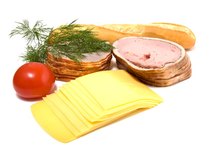
Dairy products that are highest in histamine consist of fermented cheeses (gouda, camembert, cheddar, brie, roquefort, emmental, swiss, parmesan), yogurt, buttermilk and kefir. Plain milk and milk products such as ice cream, and curdled cheeses like cottage, ricotta and panir, are generally well tolerated.
Meat
Foods That Trigger Histamine Response
Learn More
Meat and poultry should be pure and fresh when consumed. Processed meats like salami, jerky and sausage are high in histamine. Histamine is an indicator of food quality, because meats that are spoiled by microbial contamination can also contain high levels of histamine. All processed meats and leftover cooked meats should be restricted.
- Meat and poultry should be pure and fresh when consumed.
- All processed meats and leftover cooked meats should be restricted.
Fish
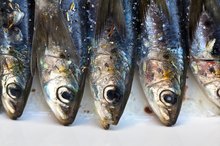
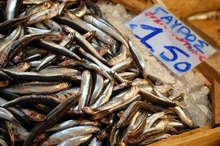
Eating spoiled fish can result in a food-borne illness known as Scromboid poisoning, which is marked by high levels of histamine. Histamine occurs abundantly in the muscle fibers of fish, and is particularly high in mackerel, herring, sardine, anchovy and tuna. Cooking temperatures do not affect this type of food poisoning, so consuming high-quality and freshly prepared fish is especially important for individuals with food-induced histamine intolerance.
Vegetables
Low Histamine Foods
Learn More
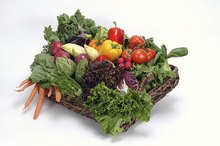
Certain vegetables, like sauerkraut, spinach, eggplant, pumpkin, pickled cabbage, and tomato products, including sauces and ketchup, contain concentrated amounts of histamine. All vegetables and foods or beverages containing these vegetables should be restricted. All other vegetables, vegetable products and juices are low in histamine.
Alcohol and Vinegar
Red-wine headaches are classical indicators of food-induced histamine intolerance. White wine, champagne, beer, vinegar and cider are also high in histamine and should be restricted. The alcohols that are not high in histamine include vodka, gin and rum.
Related Articles
Foods That Trigger Histamine Response
Learn More

Low Histamine Foods
Learn More
Sardine Allergies
Learn More
Foods to Avoid When Taking an MAOI
Learn More

Headaches & Nausea After Eating
Learn More
Do Vegetables Cause Diarrhea?
Learn More
Anchovy Allergy Symptoms
Learn More

Foods That Trigger Ocular Migraines
Learn More
Skin Rashes and Allergies to Soy
Learn More

Histamine Effects of Drinking Wine
Learn More
References
- "American Journal of Clinical Nutrition;" Histamine and Histamine Intolerance; Laura Maintz and Natalija Novak; May 2007
- "Clinical and Experimental Allergy;" Histamine-Free Diet: Treatment of Choice for Histamine-Induced Food Intolerance and Supporting Treatment for Chronical Headaches; F. Wantke, et al.; 1993
- Kovacova-Hanuskova E, Buday T, Gavliakova S, Plevkova J. Histamine, histamine intoxication and intolerance. Allergol Immunopathol (Madr). 2015;43(5):498-506. doi:10.1016/j.aller.2015.05.001
- Smolinska S, Jutel M, Crameri R, O'mahony L. Histamine and gut mucosal immune regulation. Allergy. 2014;69(3):273-81. doi:10.1111/all.12330
Writer Bio
Beth Conlon is a registered dietitian with work published in several peer-reviewed journals. She holds a Bachelor of Arts in English from Saint Joseph's University and a Master of Science in nutrition from Marywood University. Conlon is currently pursuing a doctorate in biomedical sciences at the Albert Einstein College of Medicine.