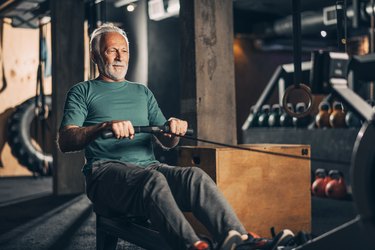
Once you pass the age of 50, you might notice some changes. Your movement may be limited by stiff muscles and creaky joints. You may feel unsteady at times and struggle to do physical activity. These are perfectly natural developments that come with age — but you can slow them down with exercise.
Older adults looking to start or keep up a fitness routine ought to give cardio and strength exercise machines a try. Cardio exercise machines provide a way to work up a sweat without stressing your joints, while strength exercise machines provide a safe, stable base for moving weight.
Video of the Day
Video of the Day
Remember, it's important to include outdoor activities and free weight movements to ensure a well-rounded fitness routine — so the best exercise equipment complements your regimen without overtaking it.
How We Chose
We chatted with a few personal trainers who work with older adults to find out the best exercise machines for seniors. The trainers also shared which features to look for when shopping for an exercise machine of your own. We took their suggestions and selected options that fit certain criteria, including:
- Price
- User ratings
- Quality
Best Exercise Machines for Older Adults
We've broken up the best machines for this stage of life into categories. Any combo of these machines would make a great investment.
Stationary Bike
As far as the best exercise equipment for over 50 goes, it doesn't get much better than the tried-and-true stationary bike. Because your feet stay glued to the pedals, you can get an effective cardiovascular workout with minimal impact.
"Stationary bikes are gentle on the joints, making them ideal for older adults who might have joint concerns," Michael Hamlin, CSCS, founder of Everflex Fitness, a personal training facility in Calgary, Alberta, tells LIVESTRONG.com.
As a lower body–focused activity, cycling also warms and lubricates the knee joints, making it especially helpful for older adults with knee pain. A systematic review and meta-analysis published in 2021 in Clinical Rehabilitation reveals that riding a stationary bike reduced pain and improved sport performance in people with knee osteoarthritis, also known as "wear and tear" arthritis.
Plus, many stationary bikes come with backrests and handlebars. Also known as recumbent bikes, these models are great for older adults who need back support and help with stability. Shop our picks for best stationary bikes below:
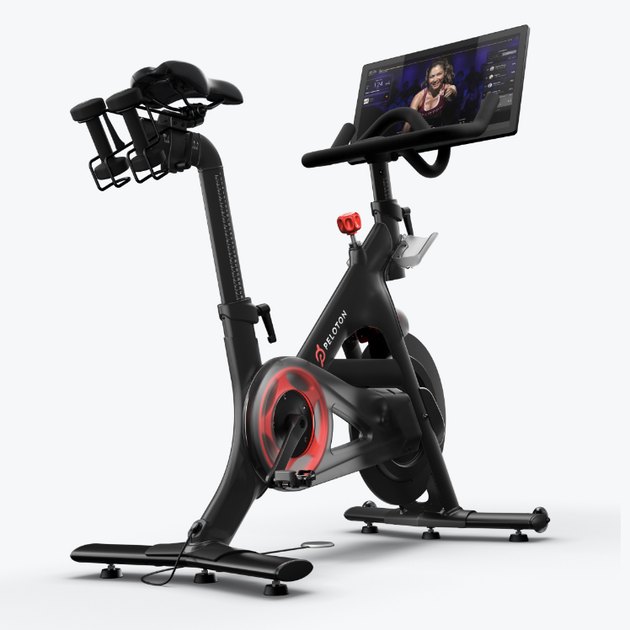
Peloton Bike
The "bike that goes nowhere" is a tried-and-true at-home stationary bike, great for people over 50 because it's easy-to-adjust with an impressive class library.
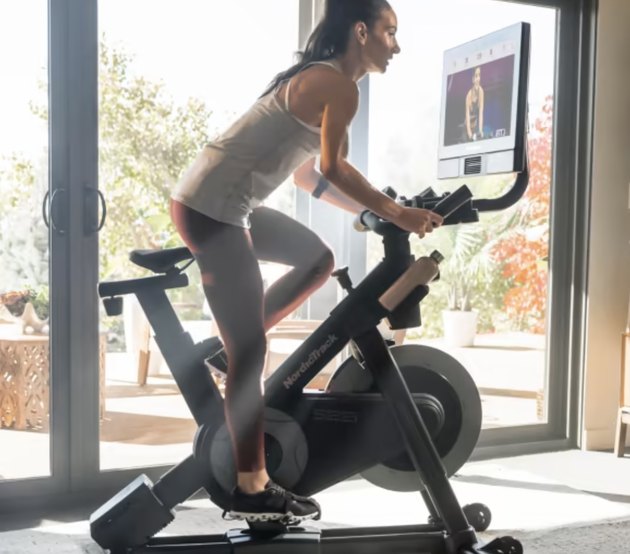
NordicTrack S22i Studio Bike
The next level of at-home spin workouts is here, with auto-adjusting resistance and decline. If you like the feel of riding outside, this is the one for you.
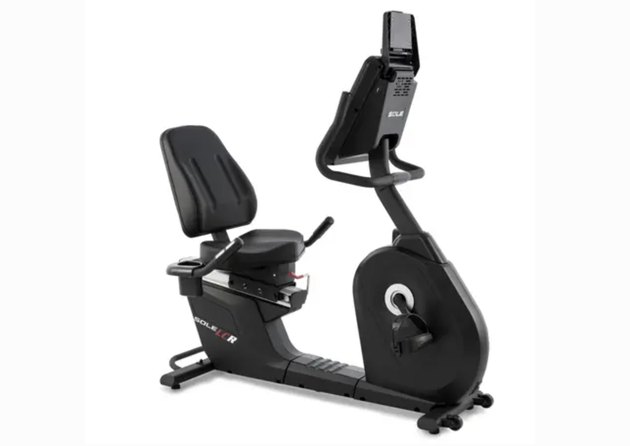
Sole Fitness LCR
If a recumbent bike is more your style, this one from Sole is built to withstand commercial use and has 40 levels of resistance.
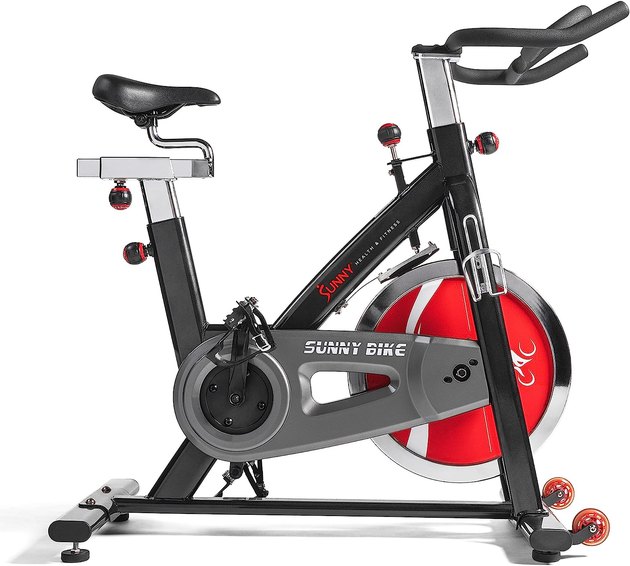
Sunny Health & Fitness Indoor Cycling Exercise Bike
Want to save some serious money and don't want all the bells and whistles? This Amazon spin bike is a sturdy, well-rated option.
Rowing Machine
Like it or not, most stationary exercise machines target your lower body. And if the activity also happens to be low-impact, it can be tough to get your heart rate up — not ideal if you're looking to break a sweat.
Rowing is a different beast. This low-impact exercise works an impressive number of upper- and lower-body muscles: your chest, back, shoulders, arms, core, quads, hamstrings, glutes and calves.
The rowing machine demands more focus on technique than most other cardio exercise equipment. However, it's worth learning to use if you crave a challenging full-body workout and you're not getting it from other exercise machines.
"I can usually get my clients' heart rate up more with a rower than something like a bike. It engages more muscles and can challenge the cardiovascular system more," Hamlin says. These are some of the best rowing machines on the market right now:
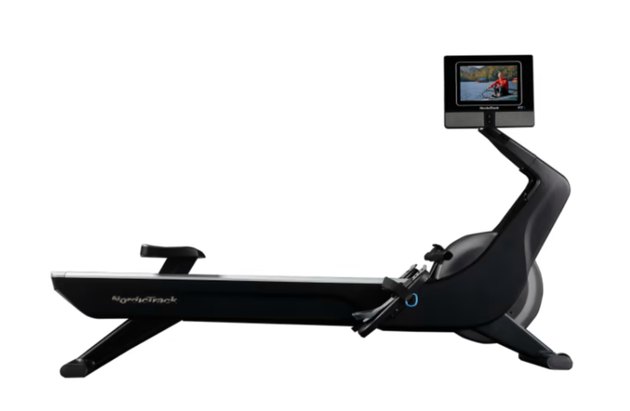
NordicTrack RW700
If you love high-energy classes, this is the best home rowing machine for you. It has oversized pedals and straps that are quick and easy to adjust.
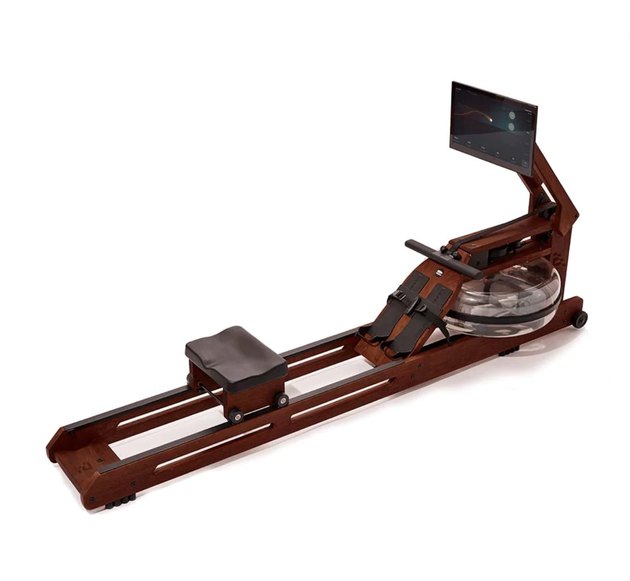
The Ergatta Rower
The Ergatta water rower takes form and function to a whole new level with its beautiful cherry wood frame and variety of training plans.
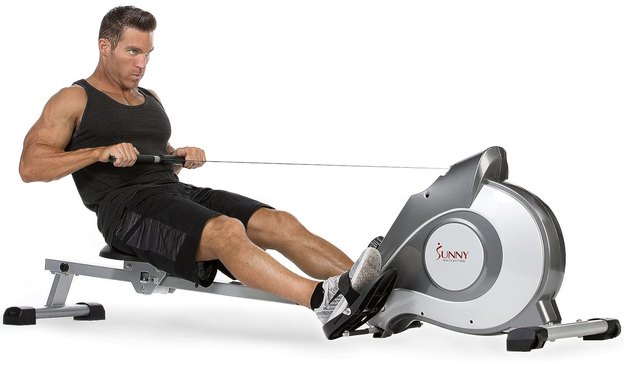
Sunny Health & Fitness Magnetic Rowing Machine
For a budget-friendly rower, this one from Amazon has magnetic resistance and an LCD console that tracks time, row count and total calories burned.
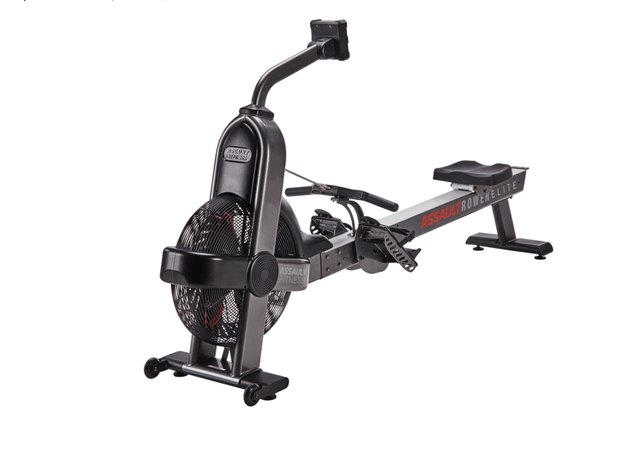
AssaultRower Elite
This fan-powered, low-tech rower was built and designed for athletes, and can help you take your workouts to the next level with minimal distractions.
Elliptical
The elliptical is another exercise machine that engages the upper- and lower-body muscles. As you glide, you'll work your hamstrings, glutes, quads and calves. Pump those handles with your arms and you'll get your chest, triceps, back and biceps in on the action, albeit less effectively than a rower.
Still, the elliptical offers other advantages, including an upright position. "If my clients sit all day, I would prefer they do some cardio on an elliptical over a bike [or rower] to get them in a different position and minimize the period they're sitting throughout the day," Hamlin says.
And, like the other cardio machines on our list, the elliptical is low-impact. All in all, it's a stellar piece of exercise equipment for older adults.
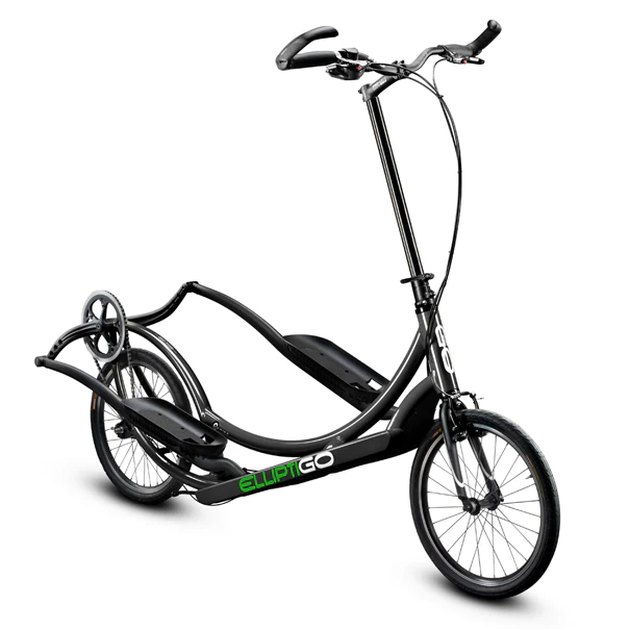
ElliptiGO 8C
Take your elliptical workouts outdoors with the pricey (but beloved) Elliptigo, which combines elliptical movements with a bike-like design.
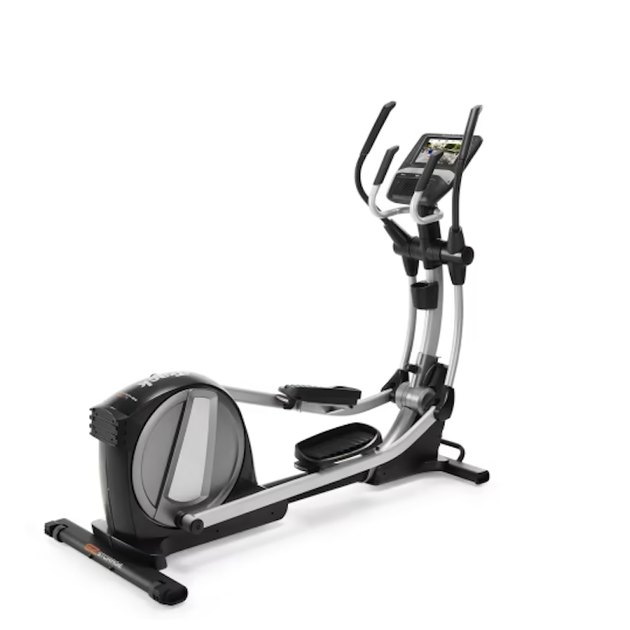
NordicTrack SpaceSaver SE7i
Not a lot of room for equipment? Save space with this elliptical, which folds in half and has adjustable pedals for the perfect fit.
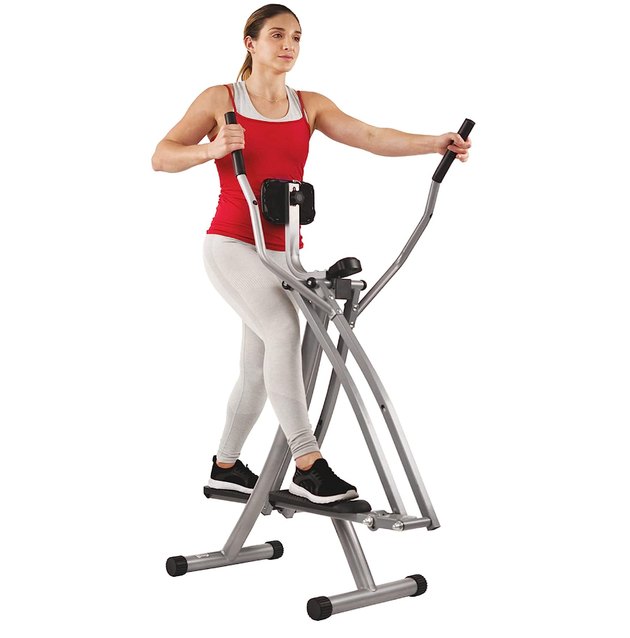
Sunny Health & Fitness SF-E902 Air Walk Trainer Elliptical Machine
With no added resistance and no-slip pedals, this budget pick is ideal for anyone with bad knees who wants to get some strides in.
Leg Press Machine
Most of the time, certified senior fitness trainer Julie Wilcoxson, CPT, prefers using free weights with her older clients to help them improve their balance. However, the leg press machine is one exception.
"I prefer [leg press] over barbell squats because many of my clients have desk jobs and that's causing posturing issues," Wilcoxson says. Those postural issues include limited shoulder mobility, which makes it difficult to place the barbell on their traps (muscles in the upper back). Instead, they set the barbell on the back of their neck — not a good place to rest any load!
The leg press allows older adults to progress to heavier weights more safely. And like its barbell cousin, the seated leg press machine strengthens all the muscles you rely on to climb stairs, sit down, stand up and walk. We're talking quads, glutes, hamstrings and calves.
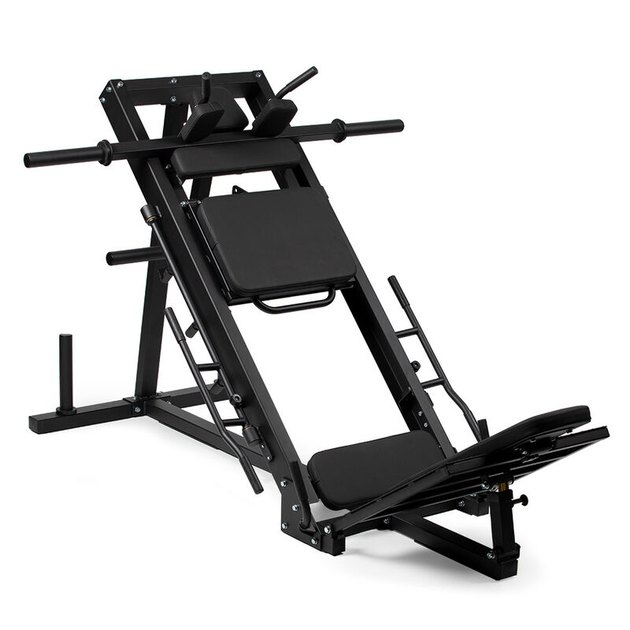
Titan Fitness Leg Press Hack Squat Machine
Investing in a big piece of equipment can be intimidating — Titan is a solid brand with a 1-year warranty on this all-steel machine with a 1,000-lb. capacity.
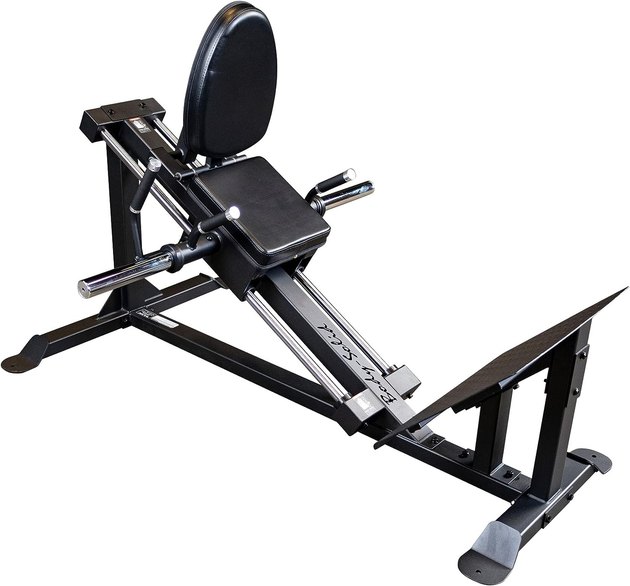
Body-Solid GCLP100 Compact Leg Press
This machine isn't as versatile as some others, but it is much more budget-friendly while still giving you a great lower-body workout.
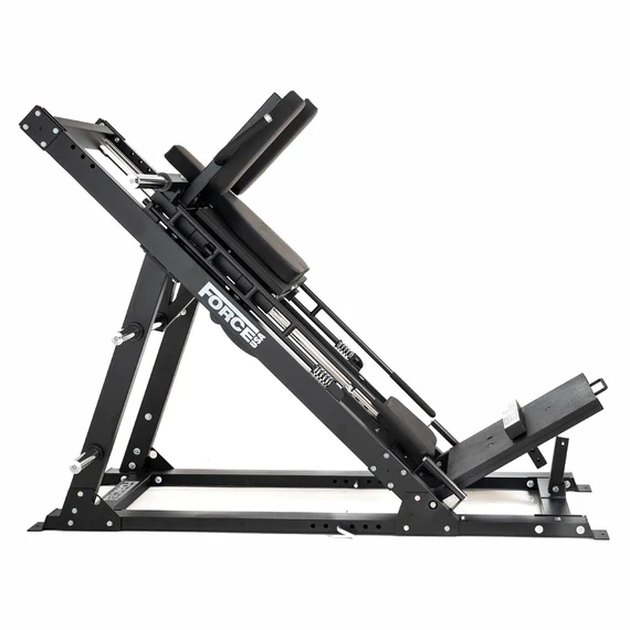
Ultimate 45 Degree Leg Press Hack Squat Combo
Work your entire lower body with this beast of a machine that allows you to leg press, hack squat, forward thrust and calf raise in one system.
Lat Pulldown Machine
It's no secret that most of us spend too much time in a slouched position: Heads forward, shoulders and backs rounded. In the short-term, this causes headaches and neck and back pain. But if you don't mend your ways, you could end up with the characteristic stooped posture that many older adults have.
Thankfully, the lat pulldown machine works wonders. It targets the muscles of the mid and upper back, zeroing in on the broadest muscle, the latissimus dorsi. "Strengthening these muscles can improve posture and support overall upper body strength," Brett Durney, personal trainer and co-founder of Fitness Lab, a boutique personal training studio in London, says.
The lat pulldown machine also tends to be more doable for older adults who can't comfortably perform other lat-building exercises, such as bent-over rows and pull-ups.
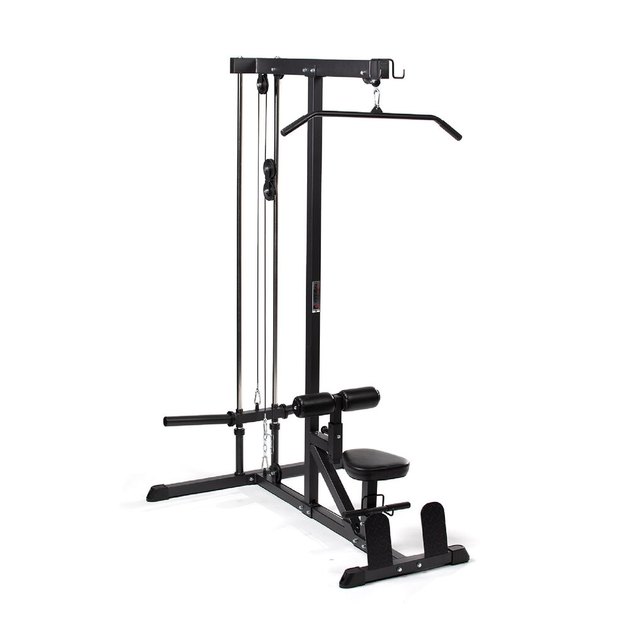
Titan Fitness Plate-Loaded Lat Tower V2
This machine helps ensure you can work on your upper body and back safely, with pads for your thighs and four bolt-down holes.
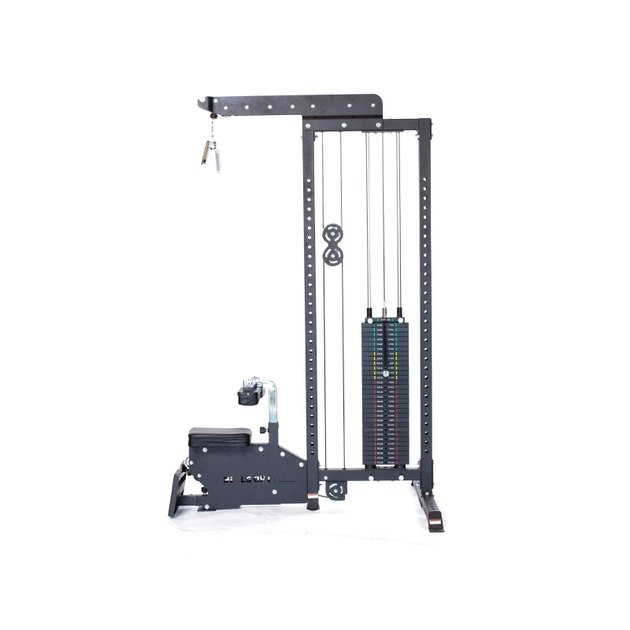
Bells of Steel Lat Pulldown Low Row Machine
This option is on the more expensive side, but it comes with weights that are easy to select by moving the pin, vs. loading and unloading plates.
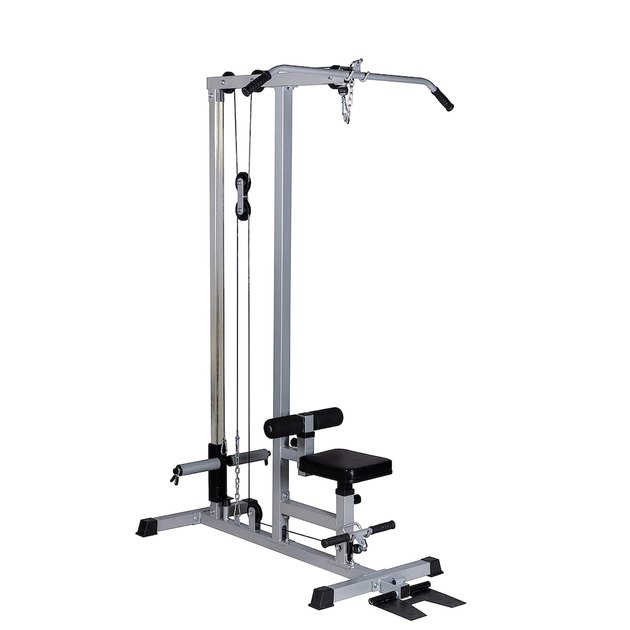
GDLF LAT Pull Down Machine
If you don't think you'll use a lat machine often, a budget pick might be a good choice. This one is made from an alloy metal and has a 500-lb limit.
Chest Press Machine
You can't neglect the front of your body — mainly your chest, shoulders and triceps. You use these muscles to push yourself up from a chair, get out of bed and help with lifting and carrying things. The chest press machine is an excellent tool for keeping these muscles in tip-top shape.
"It's a safer alternative to traditional bench presses with free weights, as the machine provides stability and support," Durney says. In other words, you won't have to worry about dropping weights on yourself if they get too heavy mid-way through your set.
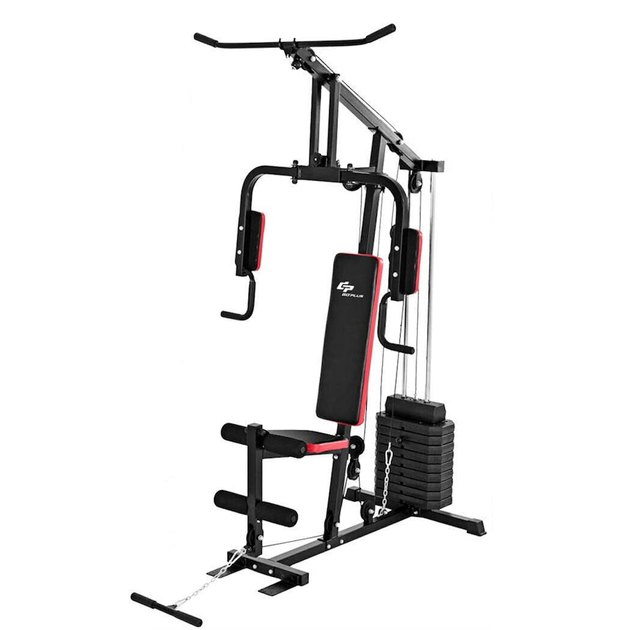
Goplus Multifunction Home Gym System
This machine has a lot of options in one, and for around $400, it's one of the cheapest options on the market.
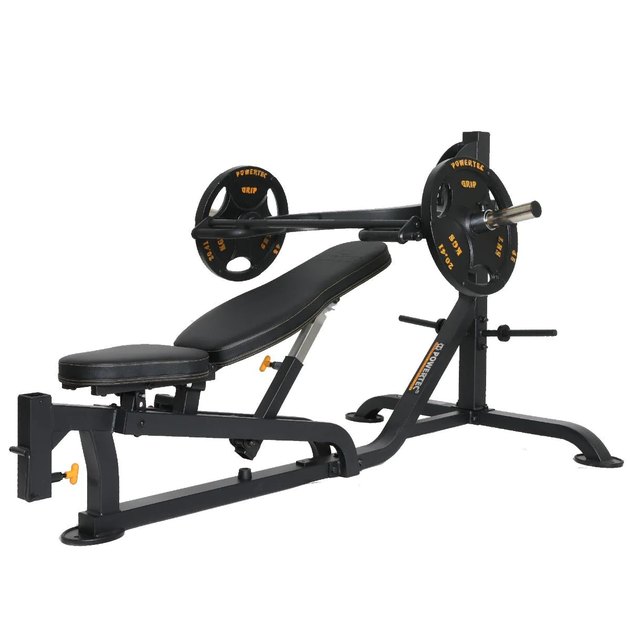
Powertec Workbench Multipress
Get the benefits of a classic bench press with the safety of a machine with this bench. Powertec has tons of add-ons if you want to built out to a full system.
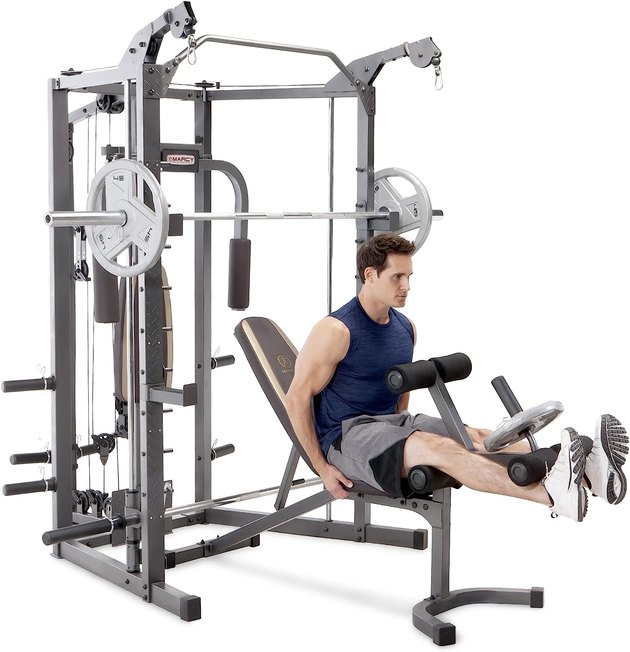
Marcy Smith Cage Machine
This highly rated combo Smith machine can do almost anything, and is cheaper than similar machines on the market by a ton.
What to Consider Before You Buy
1. Joint Impact
If you're over 50, you might prefer a low-impact workout to minimize the strain on your joints. "Most people who are 50-plus have some wear-and-tear and need to be careful with their joints in general," Hamlin notes.
If that's the case, look for exercise machines that attach your feet to pedals or keep them on the ground. This reduces the load placed on your joints as you resist gravity, which means a gentler workout and lower risk of injury.
2. Ease of Use
When comparing equipment, consider how easy it is to use. For example, does the monitor clearly display your distance, calories burned and time? Can you easily adjust the resistance levels? Is there a giant "Start" and "Stop" button that lets you jump right into your workout? Or do you have to spend five minutes setting up the equipment or fiddle with it throughout your session to get it right?
If you're stuck between two options, go for the machine that's easier to work. You'll probably use it more if it doesn't give you a headache every time.
3. Safety
Every exercise machine carries risks, even those designed for low-impact workouts. You can slip off, get tangled in the pedals, hit yourself with the handles and more.
Safety features won't eliminate every threat, but they can help. So, whichever machine you choose, be sure to check for safety features like emergency stop buttons and safety clips and pins.
"Although it's unlikely that anything will happen, having these features can help prevent major mishaps," Hamlin notes.
Also, some equipment can handle more weight than others, so check the weight limit on the exercise machine before purchasing. Machines with lower weight limits aren't as sturdy as those with higher weight limits, and could break apart or tip over if you're not careful.
- Nature Medicine: "Adipose Lipid Turnover and Long-Term Changes in Body Weight"
- Harvard Health Publishing: "Exercise and Aging: Can You Walk Away From Father Time"
- Cleveland Clinic: "How Can You Avoid Muscle Loss as You Age?"
- U.S. National Library of Medicine: "Aging Changes in the Bones - Muscles - Joints"
- Cell Metabolism: "Enhanced Protein Translation Underlies Improved Metabolic and Physical Adaptations to Different Exercise Training Modes in Young and Old Humans"
- British Journal of Sports Medicine: "Short and Sporadic Bouts in the 2018 US Physical Activity Guidelines: Is High Intensity Incidental Physical Activity the New HIIT?"
- Health.gov: "Physical Activity Guidelines for Americans"
- Experimental Gerontology: "Functional Strength Training: Seated Machine vs Standing Cable Training to Improve Physical Function in Elderly"
- American Council on Exercise: "Reap the Benefits of Rowing With 3 Fast and Efficient Workouts"
- Journal of Aging and Physical Activity: "Traditional Versus Functional Strength Training: Effects on Muscle Strength and Power in the Elderly"