Eat Better
Get Fit
Manage Weight
Live Well
More
Challenges
Topics A-Z
Category Directory
About Us
JOIN OUR NEWSLETTER
JOIN OUR NEWSLETTER
Exercises and Workouts
Home
Fitness
Workouts
Exercises and Workouts
By
Jenessa Connor
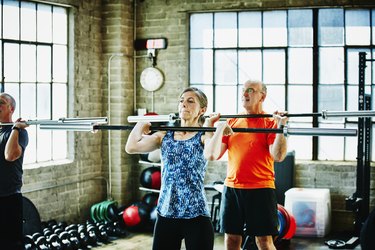
A 15-Minute Barbell Workout for Beginners
Fitness
By
Dana Leigh Smith
Expert Reviewed
7 Tips for Exercising During Menopause, According to Experts
Fitness
By
Megan Falk
Expert Reviewed
Functional Fitness Is the Most Practical Form of Exercise You Can Do — Here’s How
Fitness
By
Cheyenne Buckingham
Expert Reviewed
A 20-Minute, Full-Body Workout to Strengthen and Relax You Before Bed
Fitness
By
Jenessa Connor
A 15-Minute Beginner Barre Workout to Improve Posture and Build Core Strength
Fitness
By
Greg Presto, CPT
This 15-Minute Body-Weight Workout Is Surprisingly Hard
Fitness
By
Lindsey Clayton
A 15-Minute Resistance Band Workout That Targets Every Major Muscle Group
Fitness
By
Jaime Osnato
Fact Checked
Want to Age Well? Do These 9 Exercises for Better Proprioception
Fitness
By
Isadora Baum
Fact Checked
The 5 Best Plyometric Exercises for Older Adults
Fitness
By
Tori Blakeman
A Gentle, 15-Minute Workout to Ease Hip Pain
Fitness
By
Rachel Grice
Keep Active Even When You’re Short on Time With the 5 Minutes of Movement Challenge
Fitness
By
Rachel Grice
Improve Your Mobility in 5 Minutes With These 4 Simple Moves
Fitness
By
Rachel Grice
You Can Do This 5-Minute HIIT Workout Anytime, Anywhere
Fitness
By
Rachel Grice
Improve Your Mobility in Just 5 Minutes With This Quick Circuit
Fitness
By
Kelsey Kloss
The Only 10-Minute Strength Workout You Need After You Have a Baby
Fitness
By
Polly Campbell
9 Ways Trainers Stay Motivated to Work Out When They Don’t Feel Like It
Fitness
By
Ashley Lall
Why You Should Stabilize Your Pelvis Before Any Workout (And How to Do It)
Fitness
By
Jenessa Connor
This 15-Minute CrossFit Workout for Beginners Works Every Major Muscle Group
Fitness
By
Kelsey Kloss
Expert Reviewed
Over 50? Here’s Why You May Feel Too Tired to Work Out
Fitness
By
Tiffany Ayuda
Fact Checked
This 15-Minute Metabolic Workout Burns Fat and Builds Muscle
Fitness
By
Tiffany Ayuda
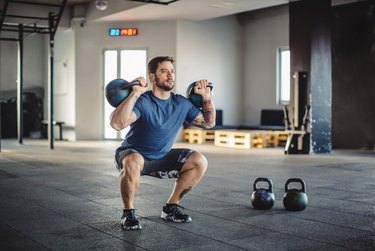
Boost Your Strength and Cardio With the 20-Minute Iron Cardio Kettlebell Workout
Fitness
By
Kim Grundy, PT
Expert Reviewed
Your Guide to Exercising After Bariatric Surgery
Fitness
By
Emilia Benton
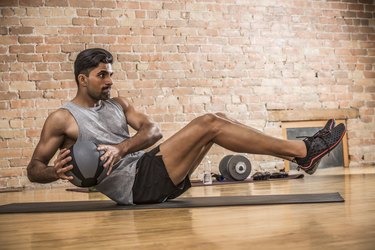
A 15-Minute Medicine Ball Workout for Full-Body Strength
Fitness
By
Greg Presto, CPT
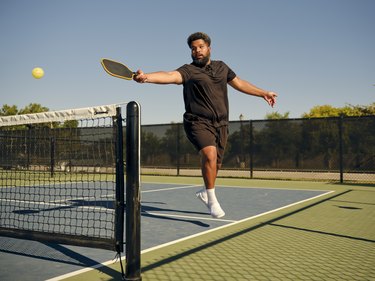
Dominate Your Next Pickleball Match Thanks to These 5 Exercises
Fitness
By
Greg Presto, CPT
The Only 4 Moves You Need for Healthy Mobility, According to Trainers
Fitness
By
Rachel Grice
All You Need for This 20-Minute Pull-Day Workout Is a Pair of Dumbbells
Fitness
By
Jaime Osnato
4 Strength Exercises You Need If You’re Carrying a Child Every Day
Fitness
By
Isadora Baum
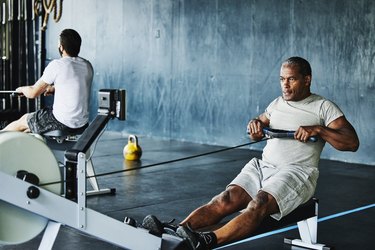
Over 50? Try This 20-Minute Rowing Workout to Build Muscle and Boost Heart Health
Fitness
By
Isadora Baum
Over 50? Try This 4-Move, Low-Impact Tabata Workout
Fitness
By
Heather Mayer Irvine
Expert Reviewed
How to Know When You Need a Sports Psychologist, Even if You’re Not a Competitive Athlete
Fitness
By
Caroline Juster
Expert Reviewed
How to Do Jumping Jacks to Boost Your Cardio and Total-Body Strength Anywhere
Fitness
By
Tori Blakeman
You Can Do This Entire 20-Minute Resistance Band Workout Lying Down
Fitness
By
Elizabeth Millard
Expert Reviewed
Your Ultimate Guide to Exercising With Lupus
Fitness
By
Megan Falk
Expert Reviewed
11 Exercises Physical Therapists Love for Easing Morning Joint Pain
Fitness
By
Kim Grundy, PT
Expert Reviewed
How to Do the Carioca Exercise for Better Balance and Coordination
Fitness
By
Greg Presto, CPT
The 9 Most Dreaded Exercises You Can Skip
Fitness
By
Sholeen Lagadien
Short on Time? Try This 15-Minute Full-Body Dumbbell Workout At Home
Fitness
By
Lindsey Clayton
Fact Checked
A 15-Minute Beginner HIIT Workout for Better Heart Health and Endurance — No Equipment Needed
Fitness
By
Megan Falk
6 Things Personal Trainers Do Every Morning for Better Mobility
Fitness
By
Tiffany Ayuda
Expert Reviewed
Yes, You Can Do High-Intensity Workouts If You Have Psoriasis — Here's How
Fitness
By
Jenessa Connor
7 Things Personal Trainers Do Every Morning to Give Their Workouts an Energy Boost
Fitness
By
Elizabeth Millard
Expert Reviewed
Get More From Your Workout in Less Time With Reduced-Exertion High-Intensity Training (REHIT)
Fitness
By
Elizabeth Millard
Expert Reviewed
Want a Lower-Impact Version of a HIIT Workout? Try HILIT (High-Intensity, Low-Impact) Training
Fitness
By
Jenessa Connor
A 20-Minute Low-Intensity Strength Workout for When You're Having a Psoriasis Flare
Fitness
By
Tiffany Ayuda
Expert Reviewed
A 20-Minute Low-Impact Workout for People With Rheumatoid Arthritis
Fitness
By
Megan Falk
Expert Reviewed
How to Strengthen Your Posterior Chain — and Why It’s So Important
Fitness
By
Heather Mayer Irvine
Expert Reviewed
How Often Should You Change Up Your Workout Routine?
Fitness
By
Lindsey Clayton
A 20-Minute Dance Sculpt-Inspired Workout for Your Entire Body
Fitness
By
Brittany Hammond, CPT
This 20-Minute Stair Stepper Workout Will Engage More Than Just Your Glutes
Fitness
By
Cindy Kuzma
Expert Reviewed
Resistance Breath Training Can Lower Blood Pressure — Here's How to Do It
Fitness
By
Greg Presto, CPT
Expert Reviewed
The 6 Best Mobility Exercises That You'll Actually Want to Do
Fitness
By
Cindy Kuzma
Expert Reviewed
Can You Reverse Heart Disease With Exercise?
Fitness
By
Jen Ator
Expert Reviewed
What Is Interval Training?
Fitness
By
Tiffany Ayuda
Expert Reviewed
Boost Your Total-Body Fitness With the Squat Thruster
Fitness
By
Brittany Hammond, CPT
Try This Full-Body Mobility Routine Next Time You Need a 10-Minute Break
Fitness
By
Brittany Hammond, CPT
Fact Checked
Strengthen Your Entire Body in 10 Minutes With This Equipment-Free Workout
Fitness
By
Elizabeth Millard
Expert Reviewed
4 Tips for Exercising With Atrial Fibrillation, According to Experts
Fitness
By
Karen Pallarito and Elizabeth Millard and Brooke Schwartz, LCSW
Expert Reviewed
7 Tips for Exercising With Depression, According to Experts
Fitness
By
Megan Falk
How to Hit Full Range of Motion During a Workout to Build Muscle and Prevent Injury
Fitness
By
Helen Sidebotham
3 Things an Olympic Skier Always Does Before a Workout
Fitness
By
Caroline Juster
Expert Reviewed
Do Resistance Bands Build Muscle? Here's What You Need to Know, According to a Trainer
Fitness
By
Elizabeth Millard
Expert Reviewed
3 Tips for Starting — and Enjoying — an Exercise Routine if You Have Type 2 Diabetes
Fitness
By
Gabrielle Kassel
Expert Reviewed
Can Menstrual Cycle Syncing Help You Get More Out of Your Workout Routine?
Fitness
By
D'Annette Stephens
Fact Checked
The Hardest Body-Weight Workout Only Takes 20 Minutes
Fitness
By
Tiffany Ayuda
Expert Reviewed
How to Do the Hip Hinge Correctly and 6 Drills to Help
Fitness
By
Elizabeth Millard
Expert Reviewed
6 Tips for Exercising With Multiple Sclerosis, According to Experts
Fitness
By
Tori Blakeman
This 10-Minute Barbell Warm-Up Is Perfect Before Your Next Lifting Session
Fitness
By
Jenessa Connor
Why Quitting Your New Year’s Resolution Might Be the Best Thing You Can Do for Your Fitness Goals
Fitness
By
Amber Rees
This 20-Minute Resistance Band Workout Is Perfect for Improving Mobility
Fitness
By
Ali Nolan
The 5 Best Sports Injury Prevention Tips, According to a Physical Therapist
Fitness
By
Tiffany Ayuda
Expert Reviewed
Can't Do a Kettlebell Swing? Here's What Your Body Is Trying to Tell You
Fitness
By
Jaime Osnato
A Week’s Worth of Morning Workouts to Kick-Start Your Day
Fitness
1
2
3
4
5
Next
Report an Issue
Contact*:
Severity*:
High
Normal
Low
Description*:
Screenshot loading...
Cancel
Submit