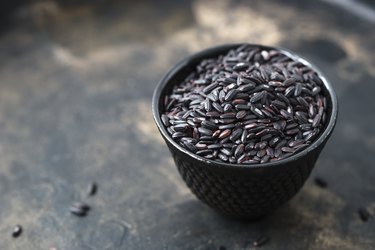
More than 50 percent of the world's population relies on rice for over 20 percent of their daily calories, according to Ricepedia, a project of the global Research Program on Rice. But not all rice is created equal. The healthiest types of rice are unprocessed, such as brown, red and black rice.
Tip
Whole-grain rice, such as brown and black rice, retains all its natural nutrients and is the healthiest choice.
Video of the Day
Types of Rice
According to the Rice Association, it is said that there are over 40,000 varieties of cultivated rice around the world. There are wild species of rice as well. At the International Rice Gene Bank in the Philippines, there are more than 90,000 samples of both wild and cultivated rice varieties.
Video of the Day
Generally, rice can be divided into three groups — long-grain, medium-grain and short-grain — referring to its size and shape. The most common varieties found on store shelves are white rice and brown rice, and each of those come in long-, medium- and short-grain varieties.
Then there are specialty rices, such as basmati, jasmine, japonica and arborio. You may also find wild, black, purple, red and Himalayan rice.
Read more: 13 Powerful Grains and Seeds
Refined Versus Whole-Grain Rice
One easy distinction that can be used to determine the healthiest type of rice is whether the grain is whole or refined. Refined rice, or white rice, has been milled to alter its texture and flavor and to prolong its shelf life. In the milling process, the outer covering of the rice — the hull or bran — has been removed, along with the germ. In a growing plant, the germ provides the main food supply.
The process of milling is how rice becomes white. It's brown in nature, but removing the hull reveals the white interior. However, removing the hull and germ also removes a lot of the nutrition of rice. All that's left is the starchy endosperm, which is high in carbohydrates but lower in protein, fiber, vitamins and minerals.
White rice is sometimes fortified to add back some of the lost nutrients, but according to Harvard T.H. Chan School of Public Health, only a small proportion of the removed nutrients can be replaced.
Comparing amounts of nutrients in 1 cup of cooked white rice versus the same amount of brown rice using USDA data can give you an idea of the nutritional differences:
Medium-grain brown rice:
- Protein: 4.5 grams
- Carbohydrates: 46 grams
- Fiber: 3.5 grams
- Thiamin: 0.2 milligrams
- Riboflavin: 0.02 milligrams
- Niacin: 2.6 milligrams
- Vitamin B6: 0.3 milligrams
- Folate: 8 milligrams
- Calcium: 20 milligrams
- Iron: 1 milligram
- Magnesium: 86 milligrams
- Phosphorus: 150 milligrams
- Potassium: 154 milligrams
- Zinc: 1.2 milligrams
Unenriched medium-grain white rice:
- Protein: 4.5 grams
- Carbohydrates: 53 grams
- Fiber: 0 grams
- Thiamin: 0.04 milligrams
- Riboflavin: 0.03 milligrams
- Niacin: 0.75 milligrams
- Vitamin B6: 0.1 milligrams
- Folate: 4 milligrams
- Calcium: 6 milligrams
- Iron: 0.4 milligram
- Magnesium: 24 milligrams
- Phosphorus: 69 milligrams
- Potassium: 54 milligrams
- Zinc: 0.78 milligrams
Brown rice and white rice have similar amounts of protein, carbs, riboflavin and vitamin B6, but brown rice has two to four times more of all other nutrients.
Rice's Effect on Blood Sugar
All carbohydrate foods have an effect on blood sugar, which rises after you eat a meal. Blood sugar isn't bad; it's how glucose is transported throughout your body to provide energy. However, the speed at which glucose enters your bloodstream does make a difference.
Refined carbohydrates, or carbohydrates that have been processed and altered from their natural state — like white rice — typically are digested quickly. This is due in part to their lower amounts of fiber. Fiber slows the digestive process so that glucose is released more slowly into the bloodstream.
When glucose enters the bloodstream too quickly, it causes a surge in energy. But soon after, it may drop precipitously, leaving you feeling energy depleted. This is what is known as a "sugar crash."
Other symptoms include increased hunger, moodiness and difficulty concentrating. Consuming a lot of simple carbs has been linked to an increased risk of obesity, according to the Harvard T.H. Chan School. Therefore, white rice isn't the healthiest rice for weight loss.
High blood sugar also causes an increase in insulin, the hormone that helps usher glucose into the cells for immediate use or storage. This combination of high blood sugar and insulin can start a cascade of events, including insulin resistance, that may eventually lead to the development of Type 2 diabetes.
White rice isn't the worst simple carb you can eat. Candy, desserts and soda are also types of simple carbs that have a much more dramatic effect on blood sugar and no nutritional value. However, when it comes to making a choice between a refined grain and a whole grain, the whole grain is always the healthiest type of rice.
Read more: 21 Foods That Sound Healthy, But Are Not!
Making Healthy Choices
While brown rice is a better choice than white rice, other varieties of rice may be an even better choice than brown rice.
Deeply hued varieties, such as red, purple and black, get their colors from plant compounds called anthocyanins that have antioxidant properties, reports the Harvard T.H. Chan School. Antioxidants are chemicals that can neutralize another type of chemical called a free radical. Free radicals can harm healthy cells, damage DNA and potentially lead to the development of cancer and other diseases.
If you're looking for a protein-packed option, go for wild rice, which has 6.5 grams per cup, according to the USDA. It's also lower in calories and carbohydrates than brown rice. This is the healthiest rice for weight loss, if you're trying to slim down.
If you're a die-hard white rice fan, whole-grain rice can take some getting used to. It has a nuttier flavor and chewier texture than white rice, but that combination is appealing to many people. Brown rice is a good starting place, as it's milder in flavor and softer in texture than wild and black rice varieties.
Once you've made the switch, reap the most health benefits by preparing your rice in a healthy manner. You can add extra flavor by using low-sodium chicken or vegetable broth during cooking as well as herbs and spices. This will eliminate the need for heavy, fatty sauces or gravies.
Use seasoned brown or black rice as a base for a "Buddha bowl." Layer on some sauteed kale, chunks of baked sweet potato, roasted onion and chickpeas. Drizzle with olive oil and a squeeze of lemon juice for a plant-powered, nutrient-packed lunch or dinner that you can even take on the go.
- Rice Association: "Types of Rice"
- Mayo Clinic Diet: "Whole Grains vs. Regular Grains: What's the Difference?"
- Harvard T.H. Chan School of Public Health: "Rice"
- USDA: "Basic Report: 20041, Rice, Brown, Medium-Grain, Cooked (Includes Foods for USDA's Food Distribution Program)"
- Ricepedia: "The Global Staple"
- USDA: "Basic Report: 20451, Rice, White, Medium-Grain, Cooked, Unenriched"
- Harvard T.H. Chan School of Public Health: "Carbohydrates and Blood Sugar"
- Sanford Health: "Sugar Crash Effects and How to Fix Them"
- NIH: "Antioxidants and Cancer Prevention"
- USDA: "Basic Report: 20089, Wild Rice, Cooked"
- Research Program on Rice: "About RICE"