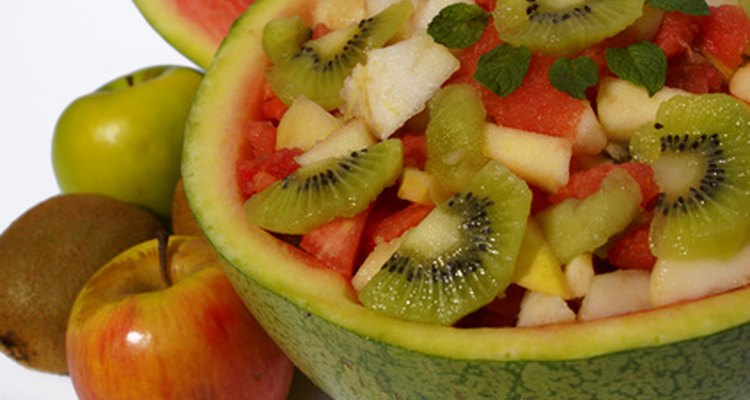
Fruit is a good source of dietary fiber. Fiber, aside from preventing constipation, can lower the risk of diabetes and heart disease. According to MayoClinic.com, dietary fiber is not digested by the body, which is why it is beneficial; it traps the toxins in the body and helps to eliminate them. Many fruits such as raspberries, avocados, apples, blueberries, oranges and bananas are excellent sources high in fiber.
History
Raspberries have the highest fiber content of all fruits and have been around for a long time, first dated in 1548 in a medicinal book used by the English, according to the World’s Healthiest Foods website. Though raspberries may have come from eastern Asia, some varieties come from the West. They grew widely in Europe and North America, giving way to the raspberry hybrid fruits, loganberry and boysenberry.
Identification
The raspberry is usually thought of as red but can come in other colors such as black, purple, orange, yellow and white. It is fragrantly sweet and reported to have a melt-in-your-mouth texture with a tart taste, according to the World’s Healthiest Foods website. Raspberries, a member of the rose family, have a hollow core and are considered aggregate fruits because of the smaller seed-containing fruits that make up the raspberry’s delicate structure.
Benefits
The average adult needs 21 to 38 grams of dietary fiber daily. Raspberries are high in fiber, containing 17 grams per cup, more than half the recommended daily amount. A healthy diet with high fiber helps to regulate the digestive system, lower blood cholesterol levels, control blood sugar levels and aid in weight loss. Raspberries have many other benefits. They are also a great source of antioxidants, which can help prevent damage to cells from free radicals. The high amount of vitamin C contributes to the antioxidant activity.
Competition
Avocados, second to raspberries in high fiber, offer 14 grams of fiber in one cup. Blueberries, cousins to raspberries, are also a good source of fiber with 8 grams in one cup. One orange has 6 grams of fiber and one apple, with the skin, has 7 grams of fiber. One banana has 5 grams of fiber.
Considerations
One cup of raspberries has only 60 calories and less than 1 gram of fat, while avocados are high in fat and calories, with one cup containing 22 grams of fat and 235 calories. But avocado’s high fat content is mostly monounsaturated fat, which can help lower cholesterol. Oranges, apples, blueberries and bananas are all low in calories and fat as well.
Related Articles

Information About the Orange Fruit

Goji Vs. Blueberries

List of Tropical Fruits

What Flowers Are in Season in November?

How to Make Fresh Strawberry Frosting ...

The Carbohydrates in Blueberries

How to Preserve Mangoes

How to Peel Guava

Is Cranberry a Fruit or Vegetable?

How to Keep Pomegranate Fresh

What Drink Can You Make With Vodka, ...

Fuji Apples Health Benefits

How to Julienne Jicama

Foods From Rainforest Plants

How to Freeze Raspberries

How to Freeze Tzatziki

The Sugar in Mangoes

Desserts From the '20s

Difference Between Clover & Orange ...

How Long Does Banana Bread Stay Fresh?
References
Resources
Writer Bio
Nicole Adams is an accomplished writer, publishing in print and online. She has submitted hundreds of articles for websites, including CBS Local and Education.com. Adams earned a Bachelor of Science in psychology with concentrated studies in health and nutrition, and animal behavior and nutrition. She loves to cook and volunteers in animal rescue.
Photo Credits
Fruit salad in hollow watermelon and fruits image by Elzbieta Sekowska from Fotolia.com