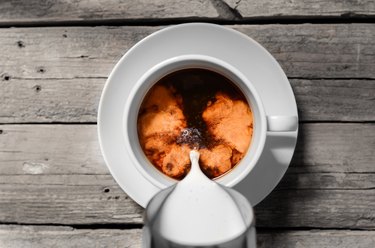
If you've decided to cut out coffee from your daily routine, most experts recommend you don't do it cold turkey. Caffeine stimulates the central nervous system to make you feel more alert, so when you first stop using it, you may experience caffeine withdrawal fatigue along with other symptoms.
Tip
To avoid withdrawal from quitting caffeine, cut back gradually. If you stop all at once, you may feel tired and achy in your body and your head. Gradual withdrawal over two to three weeks eases symptoms, so your energy should return within that time.
Video of the Day
Caffeine Withdrawal Timeline
You should set yourself a caffeine withdrawal timeline if you really want to quit this stimulant and do it in the way that will be most successful. According to the Cleveland Clinic, most symptoms of caffeine withdrawal begin 12 to 24 hours after your last dose and can last two to nine days.
Video of the Day
Suddenly cutting out this stimulant from your diet may cause you to feel a lot less energetic and have achy muscles, the Cleveland Clinic reports. It's not unusual to have a caffeine withdrawal headache. The more of this substance you use regularly, the more severe your withdrawal symptoms will be. Instead, taper off caffeine over two to three weeks.
The Cleveland Clinic states that by tapering caffeine use, you'll have a better chance of giving up this stimulant and seeing your energy return, and not having caffeine withdrawal fatigue. Your body will begin to adjust to smaller quantities.
Drink a few ounces less of your caffeinated drink each day. If you consume soda, iced tea or an energy drink laced with the stimulant, gradually replace that beverage with water. If you drink coffee, slowly replace it with decaf. Alternate between decaf and regular to wean your body off caffeine.
The Effects of Caffeine
Caffeine occurs naturally in many plants, including tea shrubs, the coffee plant and the cacao plant, which produces pods used to make chocolate. It can be consumed in food or drink, but you probably get a lot of it from beverages.
Coffee, tea, soda and chocolate all contain this stimulant, as do energy drinks. Their caffeine content ranges from 60 milligrams to 250 milligrams per serving, notes the Cleveland Clinic.
Once ingested, this compound travels through the stomach and the small intestine into your bloodstream. There, according to Cleveland Clinic, it stimulates your central nervous system, which comprises your brain, nerves and spinal cord. That is what makes you feel more awake and alert and what is said to improve your focus and concentration. At the same time, caffeine has a reputation for reducing fatigue.
You should start feeling the effects of the stimulant about 15 to 30 minutes after you consume it. Its levels peak after an hour. Half of the caffeine you've consumed is typically still in your body six hours later. It takes about 10 hours to remove it from your bloodstream.
Read more: 14 Legit Ways Coffee Can Boost Your Health
How Much Is Safe?
Most adults can safely drink up to 400 milligrams of caffeine a day, according to the Mayo Clinic. That translates to about four cups of coffee, 10 cans of cola or two energy drinks. Adolescents should take in less as they're more vulnerable to its effects. It's also a good idea not to mix caffeine and alcohol.
When consumed in excess, this stimulant may cause unpleasant side effects among adults. Some people are more sensitive to caffeine than others and will experience more severe withdrawal symptoms. Some negative side effects of too much of the stimulant may include:
- Migraine headache
- Trouble sleeping
- Irritability
- Stomach upset
- Fast heartbeat
- Tremors
You may be getting caffeine from medications and not realize it, states the Cleveland Clinic. This compound is found in many over-the-counter headache medicines, pain relievers and cold treatments. It also occurs naturally in herbal products, such as guarana, yerba mate and green tea extract.
Read more: How Many Cups of Coffee Can You Drink a Day?
How to Reduce Caffeine Intake
If you've been consuming a stimulant-laced brew for months or years, and you feel deprived when you don't have caffeine, your body may be addicted to it. The Diagnostic and Statistical Manual of Mental Disorders, the authoritative guide used by mental health professionals worldwide, includes caffeine withdrawal as a recognized diagnosis.
According to an article in the September 2014 issue of Current Addiction Reports, some people are physiologically and psychologically addicted to caffeine, although the prevalence and severity is not known. Researchers note that although some individuals are addicted, most people can consume the stimulant without problems.
To change your high-octane habit, the Mayo Clinic has these suggestions:
- Keep tabs on your regular caffeine intake by reading labels so you know just how much caffeine you're consuming. Also, be aware that some foods or drinks containing caffeine don't list it on the label.
- Cut back gradually. If you've been drinking caffeinated beverages throughout the day, start cutting back on the later beverages first. Try to drink one less caffeinated drink a day at first, and gradually increase that.
- Add in decaf beverages if you're concerned about giving up flavor. Many of these taste similar to full-strength beverages, but with very little or no caffeine.
- Brew your tea for less time or replace caffeinated regular tea with herbal tea, which has no caffeine.
After Caffeine Withdrawal
If you've gradually reduced your caffeine intake, by the third week you may notice your body is getting used to the reduced amount of the stimulant. Your caffeine withdrawal fatigue has gone away and your energy has returned.
Giving up caffeine is not easy to do, as up to 90 percent of Americans use the stimulant regularly, according to Harvard Health. But do you really have less energy because you have given up caffeine? The daily cycle of consuming caffeine and withdrawing from it has made experts question whether this substance really provides more energy.
Harvard Health reports that studies have shown that people who have gone over a week without caffeine, or who normally don't drink caffeine, say they feel more alert after consuming caffeine. But, Harvard Health goes on to state, objective tests show no performance improvement.
There's also no evidence that caffeine provides energy to the sleep-deprived. Instead, you're better off getting more sleep than consuming caffeine if you're sleep-deprived. So if you're worried about losing energy when you give up this stimulant, you may really not have been getting much of an energy boost when you were consuming caffeine.
Was this article helpful?
150 Characters Max
0/150
Thank you for sharing!
Thank you for your feedback!