Chris Gramly/Vetta/Getty Images
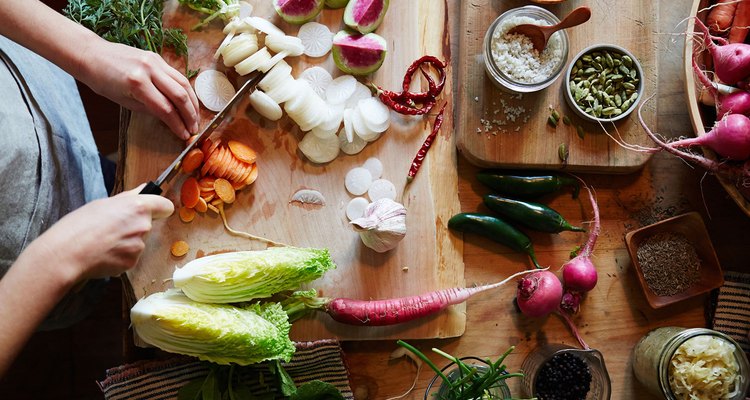
The benefits of cooking at home outweigh even the best food delivery in town.
Here’s why: When you cook for yourself, you are in control of the flavor, ingredients and portions.
Cooking is also a great way to get creative and express yourself. It all starts with getting comfortable in the kitchen and learning basic kitchen skills that will last you a lifetime. Here are 9 tips for doing things right in the kitchen:
Twenty20@A_Nikon_Girl
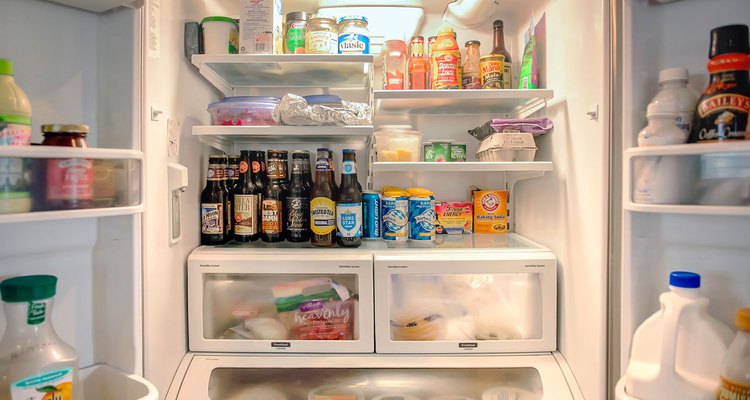
1. Store Your Food Properly
Many of us can relate to buying a bunch of groceries from the store or farmers market and then watching the fruits and veggies wilt and rot before you get a chance to use them.
In fact, in the U.S. alone it’s estimated that more than 20 pounds of food go to waste per person per month. But if you follow these easy tips you can prevent much of that waste:
Tips for Storing Fruits and Veggies
*Most produce can be stored at room temperature.
*Foods that ripen quickly (bananas, avocados, tomatoes) should be separated from the rest of your produce because they give off a natural gas called ethylene that can make other items around them ripen quickly as well. When your items are ripe, throw them into the fridge to make them last longer.
*Avoid washing berries until you are ready to eat them. The moisture can cause them to mold.
*Greens can be stored in tightly sealed bags with a paper towel to absorb the moisture. Any moisture will make them wilt faster
*Herbs can go into glass jars with a little water in them, just like a flower bouquet.
Read More: 10 Tricks to Waste Less of Your Fruits and Vegetables
Tips for Storing Nuts and Seeds
*Nuts and seeds contain delicate unsaturated fats that can go rancid when exposed to heat, light and oxygen. Store raw nuts and seeds in the fridge to keep them fresher longer.
*Store them in air-tight containers, such as a glass Mason jar. If stored properly, nuts can stay fresh for up to six months.
Tips for Storing Fish and Poultry
*Keep fish and chicken in the fridge on the bottom shelf to prevent cross-contamination for up to three days. Freezing is also an option, but not ideal.
2. Cook Fish in a Flash
Fish can seem intimidating, but it’s actually one of the easiest, quickest, most impressive things you can cook for yourself or a guest. A fresh filet of fish needs high heat (to kill the bacteria) and very little cooking time.
Read More: Which Is Better: Wild-Caught or Farmed Fish?
TIP: Heat one tablespoon of coconut oil in a pan on high heat. Season fish with salt, pepper and spices and add to pan. Cook for two minutes on each side.
Fish is delicate, so be careful not to overcook it or it will become dry or rubbery. Finish it with a spritz of fresh lemon juice and herbs.

Lenetsnikolai/AdobeStock
3. Don't Overcook Your Vegetables
Veggies of any variety can be sauteed in a pan, roasted in the oven or served raw. Vegetables contain many beneficial vitamins and minerals, so it’s important to keep those vitamins as intact as possible.
Read More: Should You Eat Your Veggies Cooked or Raw?
TIP: Overcooking vegetables or cooking them with too much heat can destroy their nutrients. Cook with medium heat till they’re al dente. Cook with a little bit of high-quality cooking oil, spices and sea salt and finish with fresh herbs.
4. Use the Right Cooking Oils
When you’re cooking with high heat, you want to use oils that are stable and don’t oxidize or go rancid easily.
Read More: The Pros and Cons of 16 Cooking Fats and Oils
Choose an oil with a high smoke point like coconut, grape seed or ghee (clarified butter). The smoke point of an oil is the temperature at which it starts to break down and starts producing harmful byproducts like free radicals.
More delicate oils like olive oil are best used unheated to top off dishes or as a dressing.
Morenovel/AdobeStock
5. Use the Right Equipment
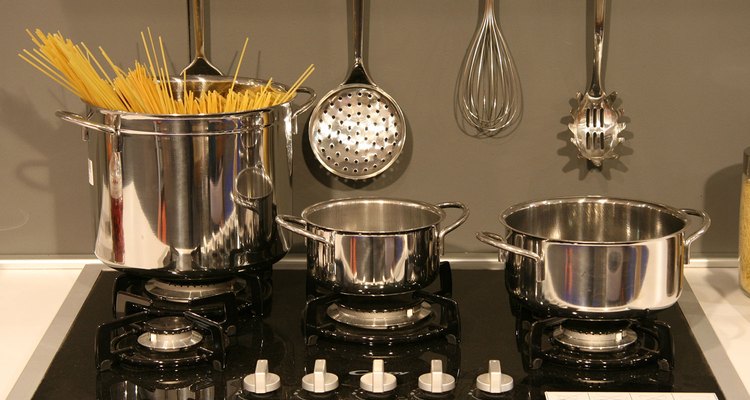
Unless you’re competing on “Top Chef,” you really don’t need any special or expensive kitchen equipment. The most basic equipment can produce the fanciest meal. Here are a few key items you should have on hand:
*Knives: a pairing knife, serrated knife and large knife for chopping vegetables
*Cast-iron skillet
*Large saute pan
*Large and small pots
*Wooden utensils
*Colander
*Cutting board
Once you get comfortable with these, a Vitamix or high-speed blender can elevate your cooking game!
Jiri Hera/AdobeStock
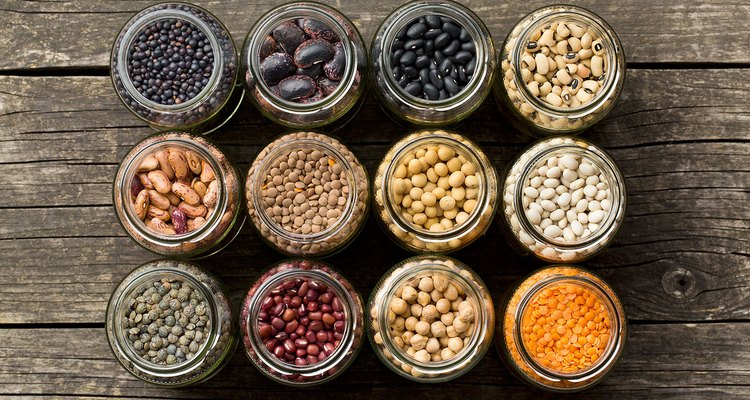
6. Prep Your Grains Correctly
Two words: Rinse and soak.
It’s important to rinse your grains to get rid of any dirt or pebbles that may have snuck in. Grains contain an enzyme inhibitor called phytic acid that can make them hard to digest. Soaking (and then sprouting) your grains will help you absorb more nutrients.
Read More: The Health Benefits of Sprouts
Soaking them for at least 30 minutes will do the trick. Adding a culture to the soaking grains will make them easier for you to digest — one tablespoon of apple cider works and won’t affect the flavor.
TIP: Make sure to rinse the grains after you soak them and before you cook them to remove the residue. As a general rule, use one cup of grain to two cups of water for best results.
DIA/AdobeStock
7. Have a Basic Salad-Dressing Recipe
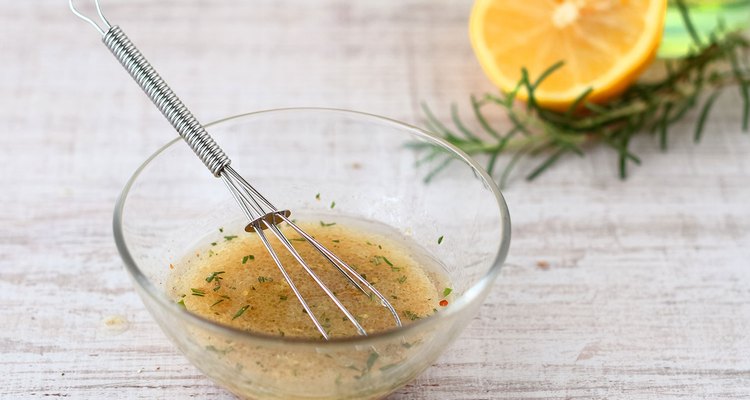
Store-bought salad dressings contain tons of sugar, unhealthy fats, preservatives and sodium. For an easy, basic vinaigrette, all you need is an acid, oil and salt and pepper. Acids you can use include fresh lemon juice and vinegars like balsamic, red wine vinegar or apple cider vinegar.
TIP: One part acid to three parts oil will do the trick, and sea salt will help the mixture emulsify.
8. Create a Meal Plan
Planning ahead will make the shopping and cooking process easier, less stressful and save you money.
You don’t have to make a detailed menu, but a general outline for the week will make your life easier. For example, fish on Monday, pasta on Tuesday, curry on Wednesday, grain plus meat on Thursday, etc.
Read More: 13 Meal-Prep Hacks to Save Time in the Kitchen
Having a plan will make your trip to the grocery store easier and prevent you from grabbing random foods that you most likely won’t cook.
9. Source Your Ingredients Wisely
Buy ingredients intentionally: Each of these items is going into your body, so choose wisely. Try to find ingredients that are free of packaging and as close to their whole, natural forms as possible. Shop at local farmers markets if possible, and buy seasonally.
Doing your own cooking is a great way to take care of your health or share a gift with family or friends. Food brings people together, but it makes a difference when it’s made at home with love and good energy. So get to know your kitchen, try new things and don’t get intimidated!
What Do YOU Think?
How many times a week do you cook at home versus eating out or ordering in? Are there any other basic kitchen/cooking skills that you think should be on this list? Leave a comment below and let us know!
Related Articles

How to Eat Healthy for Less Than $10 a ...
Raw Food Diet and Parasites

Menu Planning Objectives
Can Eating Salads & Fish Make You Lose ...
What Are the Benefits of Steamed Fish?
10 Worst Non-Organic Foods

How to Cook Sea Urchin

5 Easy Fruit and Veggie Spa Water ...
How to Ferment Grains

Recipe for a Coconut Oil & Olive Oil ...

Do You Have to Wash Your Hands When You ...

Simple Cooking Tips for Fresh Tuna

Menus for Toddlers & Five-Year-Olds for ...
How to Cook for Teenagers

How to Eat Healthfully With Little or ...

How to Soak Amaranth
Which Foods Help You Get Toxic Waste ...

How to Cook a Bullhead Fish

How to Make Your Own Lean Cuisine

How to Make Your Nails Hard
Writer Bio
Meryl Pritchard is a holistic health coach and founder of Kore Kitchen, an organic meal delivery service based in Los Angeles focusing on whole foods that are seasonal, sustainable and locally sourced. Meryl believes in living an 80/20 lifestyle: 80 percent healthy, 20 percent indulgent. She works with many of L.A.'s top entertainment industry professionals, including well-known actors and actresses.