Gastroesophageal disease (GERD), severe acid reflux, affects about 20 percent of the U.S. population. Among the things that can worsen GERD symptoms: highly acidic fruits. What are these acid-building fruits, and which fruits — if any — can reduce stomach acid?
Tip
Grapefruits, oranges and tomatoes are highly acidic and may worsen heartburn, a symptom of acid reflux.
Video of the Day
Understanding Acid Reflux and GERD
One of the most common reasons to avoid highly acidic fruits: They may aggravate heartburn, a symptom of acid reflux. According to the American Association of Retired Persons (AARP), acid reflux is when your stomach acid backs up into your esophagus — the passageway that joins the throat and stomach. Severe cases of acid reflux may become GERD.
Video of the Day
Harvard Health Publishing explains that in addition to causing heartburn, acid reflux or GERD can cause symptoms such as a sore throat, coughing, tightness in the chest, difficulty swallowing, nausea and a sour taste in the mouth.
An August 2019 article in the Journal of Thoracic Disease further describes the connection between acidic foods and beverages and GERD. Though they're often thought to worsen GERD, the findings have been variable. In some cases, beverages with high acidity, such as prune juice, did not induce symptoms, while less acidic beverages, such as tomato juice, did.
That said, a number of expert sources, such as AARP and University Hospitals, one of the top health care providers in the United States, agree that certain foods can exacerbate acid reflux symptoms, while other foods can have a soothing effect. Different types of fruit are included on both lists.
Read more: Signs of Too Much Acid in the Stomach
Fruits That Are Highly Acidic
University Hospitals names grapefruits, oranges and tomatoes as fruits that are highly acidic. The citrus in grapefruit and orange relaxes the esophageal sphincter, allowing stomach contents to enter and aggravate acid reflux symptoms. Tomatoes are also high in acid, so it's best to steer clear of any food that uses tomato as its main ingredient: marinara sauce, ketchup and tomato soup.
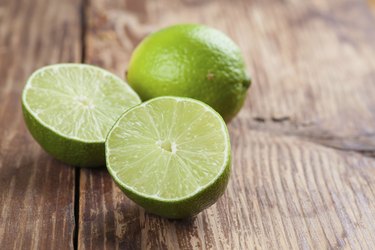
The International Foundation for Gastrointestinal Disorders (IFFGD) recommends avoiding citrus fruit and fruit juices altogether: lemons, limes, oranges, grapefruits, etc. IFFGD also provides tips for reducing acid reflux symptoms, such as trying not to eat before bed. When you lie down, it becomes more difficult for the lower esophageal sphincter to stop stomach contents from getting into the esophagus.
Aside from citrus fruits, there are plenty of other foods that can worsen acid reflux or GERD symptoms. Caffeinated beverages, fried foods, chocolate, peppermint and carbonated beverages are all culprits, according to University Hospitals.
Read more: What to Eat When You Have an Acidic Stomach
Low Acidic Fruits
Foods that reduce stomach acid and are soothing rather than irritating. These fruits include melons and bananas, says AARP. Bananas coat the esophageal lining and ease discomfort. Pectin, a soluble fiber found in bananas, can help stomach contents flow through the digestive tract.
Melons, explains AARP, are a viable source of magnesium, a mineral found in several acid reflux medications. They contain very little acidity, with a pH of 6.1. Cantaloupe, watermelon and honeydew melon are types of melons you can eat without having to worry about triggering acid reflux symptoms.
As for other non-aggravating foods that reduce stomach acid, Harvard Health Publishing suggests lean meats, fish, poultry without the skin, vegetables such as lettuce and celery, and whole grains. Oatmeal is a good breakfast option that shouldn't cause acid reflux discomfort. You can add bananas, raisins and cinnamon for flavor. Harvard Health Publishing also recommends low-fat yogurt and eggs to start your day.
- AARP: "5 Top Foods to Stave Off Acid Reflux Symptoms"
- University Hospitals: "The Best and Worst Foods for Acid Reflux"
- Harvard Health Publishing: "What to Eat When you Have Chronic Heartburn"
- IFFGD: "Diet Changes for GERD"
- Journal of Thoracic Disease: "The Role of Diet in the Development and Management of gastroesophageal Reflux Disease: Why we Feel the Burn"
- NIH: "Definition & Facts for GER & GERD"
Is this an emergency? If you are experiencing serious medical symptoms, please see the National Library of Medicine’s list of signs you need emergency medical attention or call 911.