Gaining five pounds in the course of one day from bloating would leave anyone looking for a water retention treatment plan. Luckily there's a lot you can do to reduce bloating, especially if it's from water. A change in diet will resolve some of the most common causes of water retention, although there are some serious causes as well.
Tip
In general, increase your intake of foods that reduce water retention and avoid foods that cause bloating. If your symptoms don't improve, though, you may need to ask your doctor to check for more critical causes.
Video of the Day
Water Retention and Bloating Causes
When bloating results in increased stomach girth, it's called distention. So, when your stomach starts to blow up to twice its side, you're probably experiencing distention from bloating. There's no need to be alarmed though, the bloating can and will go away.
Video of the Day
Common causes for bloating include intestinal inflammation and gastric issues similar to irritable bowel syndrome (IBS) and gastroesophageal reflux disease (GERD). Another reason could be out-of-balance bacterial growth in the bowels. Outside of stomach issues, eating too fast, swallowing air while eating or gaining weight can cause bloating.
Water retention is also a significant cause of bloating. According to a May 2017 study in the Journal of Clinical Investigation, salt is a major player in water retention. Too much salt will cause the body to start storing excess amounts of water. Without a form of release, that water builds up, creating distention in your stomach.
Read more: Causes of Upper Abdominal Bloating
Foods That Cause Bloating
Before you find out which foods are good for reducing water retention, you need to understand which foods cause bloating in the first place. Confusingly, some foods that cause bloating also reduce water retention. That's because water bloating and gastric bloating have different causes. So, it's best to avoid foods that cause gastric bloating, even if they have also been found to reduce water retention.
About IBS lists several foods as bloating irritants:
- High-fiber foods
- Dairy products, particularly for people with lactose sensitivity
- Beans
- Legumes
- Cauliflower
- Broccoli
- Onions
While this list is particular to those with gastric issues, the foods listed are general irritants as well. So even if you don't have IBS, be wary of these foods. One of the easiest ways to find out if it's an irritant for you is to monitor your body's response for 24-hours after trying that food item.
Potassium Reduces Water Retention
The American population tends to eat too much sodium and not consume enough potassium, according to the Centers for Disease Control and Prevention. This can lead to several serious health issues, such as high blood pressure and cardiovascular failures. Increasing potassium in your diet helps to balance your body's sodium. If you're experiencing bloating due to water retention, lowering your sodium levels can provide relief.
The National Kidney Foundation has an excellent list of foods that are high, medium, and low in potassium. Some of the most potassium-rich foods are:
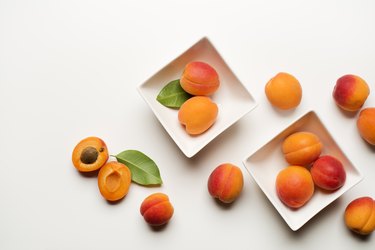
- Apricot
- Avocado
- Banana
- Grapefruit juice
- Oranges
- Acorn squash
- Artichoke
- Baked beans
- Brussels sprouts
- Raw carrots
- White mushrooms
- Tomatoes
- Chocolate
- Granola
- Milk
You'll notice that some items, such as milk and baked beans, are on both the list of gastric irritants and potassium-rich foods. That's why it's important to cross-reference the lists before adjusting your diet. Make sure that the changes you're making will have the effects you desire.
Natural Diuretics for Water Retention
Diuretics are substances that increase urination, allowing your body to evacuate more liquids. Diuretics are effective an effective water retention treatment, according to HealthDirect. It's best to pair diuretic foods with increased exercise, a reduction of salt and alcohol intake and a healthy diet.
A diuretic that may already be in your diet is coffee. It's probably the most popular and accessible natural diuretic. By increasing blood flow to the liver, the caffeine in coffee helps the liver flush fluids from the body. That means that your cup of joe is one of the best foods that reduce water retention.
Water pills are another popular form of diuretics. You should be aware though, these pills can be problematic. They flush your system of essential electrolytes such as potassium and magnesium. These electrolytes are integral to your health, so if you plan to use water pills, make sure you're supplementing with potassium and magnesium.
Read more: 14 Inflammation-Fighting Foods to Eat Every Day
Anti-Inflammatory Foods That Fight Bloating
If you experience water retention from IBS or other inflammatory gut issues, changing your diet can be effective, according to a June 2017 study from the World Journal of Gastroenterology. Bloating from inflammation caused by water is called edema, as defined in a Biomed Network July 2015 article. Edema can be caused by too many histamines, which means you'll want to eat an anti-inflammatory diet to avoid this type of water retention.
One of the most well researched and best known anti-inflammatory foods is turmeric. According to an October 2017 review in Foods, turmeric has several health benefits, among them the reduction of inflammation. That makes turmeric a great addition to your diet for water retention treatment.
Harvard Health Publishing reports some common anti-inflammatory foods:
- Tomatoes
- Olive oil
- Green leafy vegetables, such as spinach, kale and collards
- Nuts
- Fatty fish
Fruits that reduce water retention include:
- Strawberries
- Blueberries
- Cherries
- Oranges
Read more: What are the 4 Stages of Cirrhosis?
Adopt the Mediterranean Diet
Another great source of anti-inflammatory foods is the Mediterranean diet. A study from the September 2016 issue of the Journal of Nutrition noted these effects of the diet. It also found that the diet helps people lose weight, which means that it'll cut your stomach girth in not just one but two ways.
The diet isn't just about eating Mediterranean foods, but it's also about how much of which types of foods you eat. Those who follow it eat more fruits, vegetables and seafood, while consuming a lot less dairy. It also limits your calories, which probably assists in that weight loss factor too.
Rarely, a serious medical condition can cause stomach bloating. If your bloating persists, it may be time to seek medical attention.
Celiac disease is probably the mildest, though still uncomfortable, serious cause of water retention. While celiac disease is rarely life threatening, if it's the cause, you'll need to address it directly. Ovarian cancer and other issues related to the ovaries and uterus are also possible culprits.
Ascites is the buildup of fluids in the peritoneal cavity in your abdominal area according to a StartPearls November 2018 article. It causes distension in the stomach. While you may have distension in your stomach, it does not mean that you have ascites. Ascites is a complication of cirrhosis, a degenerative liver disease.
- Harvard Health Publishing: “Foods that Fight Inflammation”
- Foods: “Curcumin: A Review of Its Effects on Human Health”
- Biomed Network: “Histamine Intolerance Syndrome”
- KU Medical Center: “The Benefits of Magnesium”
- Office of Dietary Supplements: “Dietary Supplements for Weight Loss”
- HealthDirect: “Fluid Retention”
- National Kidney Foundation: “Potassium and Your CKD Diet”
- CDC: “The Role of Potassium and Sodium in Your Diet”
- Journal of Clinical Investigation: “Increased Salt Consumption Induces Body Water Conservation and Decreases Fluid Intake”
- About IBS: “Gas and Bloating”
- MedlinePlus: “Abdominal Bloating”
- StatPearls: “Ascites”
- World Journal of Gastroenterology: "Diet in Irritable Bowel Syndrome: What to Recommend, Not What to Forbid to Patients!"
- Journal of Nutrition, Health & Aging: “Effect of a Mediterranean Type Diet on Inflammatory and Cartilage Degradation Biomarkers in Patients with Osteoarthritis”