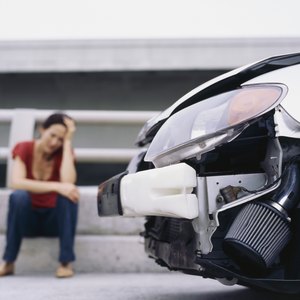

It's not a good idea to let someone without auto insurance drive your car. From the potential for an accident to increased premiums on your insurance coverage, there are numerous hazards in the mix. However, if it is inevitable that you have to let them drive your car, establish whether your auto insurance will cover any scenarios. If uncertain, call your agent for a complete rundown of coverage features.
Permission
If you let someone drive your car, it is implied that you have given your permission. For insurance purposes, verbal or written permission is a prerequisite for someone else to be covered under your insurance, if they are not on your policy. The omnibus clause is an auto insurance provision on your policy that ensures the person driving your car with permission is covered, particularly if they are involved in an accident. Typically, permitted drivers will have reduced coverage in most states.
Scene of Accident
What happens at the scene of the accident will determine whether your insurance will be involved and if you bear extra financial responsibility. You will not have to worry about your insurance taking a hit if the driver of your car is not at fault. Put a claim with the at-fault driver's insurance and get coverage for any damages to your car. If your policy includes complete coverage, the driver of your car may be covered, usually at the minimum coverage limits. You need to notify your insurance company, regardless of the party at fault.
Property Damage
Auto insurance -- specifically, comprehensive and collision coverage -- protects your car regardless of who is driving it. If the worst has happened and the other driver without insurance has wrecked your car, you are liable for all of the damages. For example, if the wreckage involved another vehicle, your insurance policy will be the primary coverage for that vehicle if your friend was at fault. Whether or not your insurance will cover damages to your car will depend on your policy.
Liability Coverage
If you loan your car to someone and he causes an accident, which is his fault, you may be hit with a bill if the accident maxes out your bodily injury liability coverage. Typically, your insurance will pay for personal injury or medical expenses caused to occupants of the other vehicle. If these expenses exceed your auto insurance limits, the other party can sue you to pay for medical costs. As for the permitted driver, unless your insurance policy allows it, he will have to pay his own medical costs.
References
- Legal Match: What Is An Omnibus Clause?
- Allstate: What Does Property Damage Liability Insurance Typically Cover?
- National Association of Insurance Commissioners. "A Shopping Tool for Automobile Insurance," Page 4. Accessed May 15, 2020.
- Texas Department of Insurance. "Automobile Insurance Made Easy." Accessed May 15, 2020.
- National Association of Insurance Commissioners. "Auto Insurance." Accessed May 15, 2020.
- California Department of Insurance. "Automobile Insurance Information Guide." Accessed May 15, 2020.
- National Association of Insurance Commissioners. "A Shopping Tool for Automobile Insurance," Page 5. Accessed May 15, 2020.
- Insurance Information Institute. "Auto Insurance Basics—Understanding Your Coverage." Accessed May 15, 2020.
- National Association of Insurance Commissioners. "A Shopping Tool for Automobile Insurance," Page 6. Accessed May 15, 2020.
- National Association of Insurance Commissioners. "A Shopping Tool for Automobile Insurance," Page 11. Accessed May 15, 2020.
- National Association of Insurance Commissioners. "A Shopping Tool for Automobile Insurance," Page 10. Accessed May 15, 2020.
Writer Bio
Dr Jack Gordon, the Chief Technology Officer at Strontium Logistics, is a 20-year veteran of the engineering and marketing business who favors stiff drinks, good debates and developing innovative digital marketing strategies to help companies grow.