Britannicus84/iStock/Getty Images
Art therapy uses the process of creating art to improve mental health. A 2006 study published in the "Journal of Pain and Symptom Management" supports the use of art therapy in reducing pain and anxiety for hospitalized cancer patients. And pediatric cancer patients in Italy were more amenable to treatment and requested art therapy in follow-up visits, notes a study published in the March 2001 "Journal of Medical and Pediatric Oncology." Activities that focus on feelings can be enormously beneficial to helping both hospital and outpatient subjects.
Mask Making
Mask making can help patients discover how they feel about their true selves compared to how they believe others see them. This art therapy is adaptable to all ages and abilities. If your group is composed of younger learners or you are working individually with a child, keep the supplies simple—a paper plate, glue, feathers, glitter, markers and crayons. If your group or patient is older, you can make this activity more sophisticated, creating papier mâché using magazine cutouts and newspaper clippings to represent a multitude of feelings and personas.
While you can complete this activity in only one session, you can also stretch it to multiple sessions, especially with a group of older patients. Start with having patients create two masks—one that represents how they are perceived and one that represents how they feel inside. Discuss the meaning of the differences in the masks and how the patient feels when wearing each. Have each patient talk about how he feels about his true self compared to how he feels in the mask presented to the world.
Inside the Bag
Give your patient, or each patient in your group, a lunch-sized paper bag. Ask your patient to fill it with things that make up her life—for example, particular music, pictures of family, sports teams or books that she loves. Have her take out each item and talk about why the item is in her life, how she feels about it and whether she thinks it's going to stay in her life. Have her use the bag to record the items on one side. On the other side, have her list her feelings about the items.
Sculpture
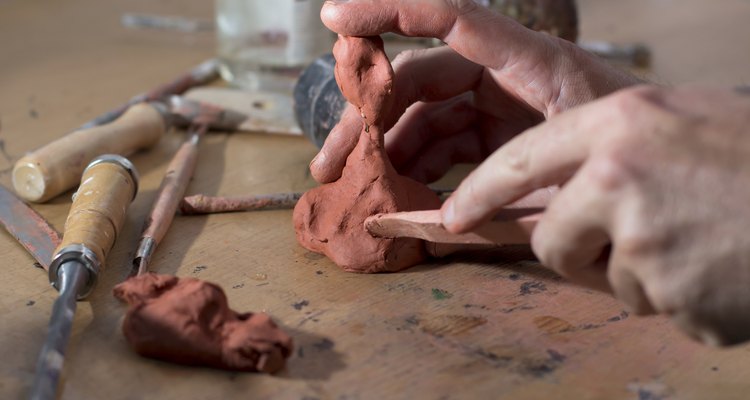
Having a patient create a sculpture gives him a chance to identify and appreciate his accomplishments. This therapy is particularly effective for seniors, as many have significant accomplishments to celebrate.
To try this activity, have the patient use modeling clay and plastic tools to create symbols that represent pieces of his life. He might create a dollar symbol for a career, a house for family and so on. Have him discuss what each symbol represents and his feelings about the symbols. If you are working with a senior, allow time for the patient to share stories about his past, which is a critical element of this activity.
Related Articles

Creative Ways to Say Thank You to My ...

How to Teach a Children's Bible Lesson ...
Cheap Godparent Gifts

How to Entertain Your Aging Parent

Sunday School Games That Teach Sharing

Fun Activities for Kids Who Are Dealing ...

What Do You Send When a Pet Dies?

How to Write a Poem for Your Child

Easter Activities for the Elderly

Gifts for Someone Whose Grandfather Has ...

Activities & Themes to Honor First ...
How to Write a Letter to Grandma

Team Building Activities for Family ...
How to Make Leeloo Suspenders
What to Say to My Mother on Her Wedding ...
How to Plan Fun Activities for Kids

Table Game Ideas for a Team Building ...

Children's Activities for Jeremiah ...
Anniversary Gifts for Mom When Dad Has ...
Activities to Help Kids Deal With Grief
References
Writer Bio
Carolyn Williams began writing and editing professionally over 20 years ago. Her work appears on various websites. An avid traveler, swimmer and golf enthusiast, Williams has a Bachelor of Arts in English from Mills College and a Master of Business Administration from St. Mary's College of California.
Photo Credits
Britannicus84/iStock/Getty Images