
Listen to Your Heart highlights the simple nutrition, fitness and lifestyle changes you can make for a healthy heart at any age.
For decades we've seen progress in the fight against heart disease. While it has remained the No. 1 killer of men and women in the U.S., the rates were steadily declining. That is, until recently.
Troublingly, that trend has stalled or even begun to reverse in the U.S. and several other high-income countries, according to an August 2019 study published in the International Journal of Epidemiology.
Video of the Day
Video of the Day
So, what gives?
"Poor eating habits and lack of exercise are major contributing factors to cardiovascular decline," Patricia Bannan, RDN, a nationally recognized nutritionist and healthy-cooking expert, tells LIVESTRONG.com. "Other risk factors include smoking, high blood pressure, high cholesterol and diabetes."
While the research is unsettling, there's good news: There are small, easy steps you can take to help keep your heart healthy — and you can start today.
Here are 11 changes you can make to your diet and lifestyle that are proven to help reduce your risk of heart disease.
1. Swap Out Fats
We used to think a heart-healthy diet meant a low-fat diet, but that's not exactly the case. We know now that all fats are not created equal, and it's the type of fat you eat that really matters.
Saturated fats, which are most often found in beef, dairy products and fast foods, should be limited, while trans fats — the man-made fats in fried foods and packaged snacks — should be avoided as much as possible, according to the American Heart Association (AHA).
"Swap these for foods with heart-healthy unsaturated fat, such as avocados, nuts, seeds, olive oil and fatty fish like salmon," recommends Bannan.
Indeed, a study of more than 90,000 people published April 2020 in the Journal of the American College of Cardiology found that consuming just a half-tablespoon of olive oil a day in place of animal-based fats (think: butter) or margarine is linked to a significantly lower risk of cardiovascular disease.
Tip
Aim to keep saturated fat intake to 10 percent or less of your daily calories.
2. Eat More Fiber
For most people, the biggest area for dietary improvement is in the fiber department. In fact, only 5 percent of Americans are actually eating enough fiber (yikes!), per a paper published in the January-February 2017 issue of the American Journal of Lifestyle Medicine.
Soluble fiber — the type found in oat bran, barley, nuts and seeds, beans, lentils, peas and some fruits and vegetables — is associated with heart health because it helps lower blood cholesterol levels, according to the National Lipid Association. It also helps you feel full, so you're less likely to overeat, per a 2013 review in the Journal of the American College of Nutrition.
Tip
Women should aim for a minimum of 25 grams of fiber per day, and men should get 38 grams, with a focus on plant-based foods rich in soluble fiber.
In fact, an August 2019 study published in the Journal of the American Heart Association found that eating mostly foods from plants versus animals is associated with better heart health and a reduced risk of developing cardiovascular disease.
3. Eat Fish at Least Twice Per Week
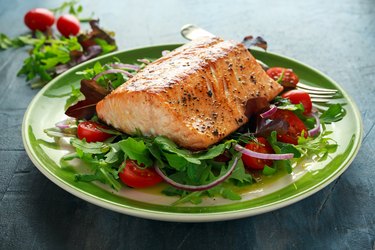
The AHA recommends eating fish, specifically fatty fish like salmon, mackerel, sardines and albacore tuna at least twice a week. Why? They're good sources of omega-3 fatty acids, which can lower triglyceride levels, slow the buildup of plaque in the arteries and lower blood pressure.
But proceed with caution. Some species, like shark, tilefish, king mackerel and swordfish, can be especially high in mercury, which builds up in the blood and can cause other issues. For that reason, you should avoid or limit your intake of these types of fish.
Fish Recipes to Try
4. Get More Sleep
Not getting the recommended 7 to 9 hours of shut-eye each night could be detrimental to your heart health.
"Those who don't get enough quality sleep each night are at a higher risk for obesity, high blood pressure and heart attacks," says Bannan.
So make sleep a priority. And if you're not getting those quality zzzs on a regular basis, know that there are several things you can do to change that.
Tip
Small changes like making sure your room is dark and quiet and adjusting the temp to between 65 and 68 degrees could help you drift off to dreamland quicker and stay there longer.
5. Hit a Healthy Weight
As the August 2019 study in the International Journal of Epidemiology mentions, being overweight increases our risk for heart disease, among other chronic diseases.
And while losing weight is not always easy, there are tools and resources at your fingertips to help. LIVESTRONG.com's free MyPlate app, for example, allows you to track your daily calories and offers a library of simple, tasty recipes tailored to your goals.
6. Get Moving Most Days
Regular aerobic exercise such as brisk walking, bike riding, stair climbing, swimming, jumping rope, circuit training and dancing keeps your heart fit, raises your levels of protective HDL cholesterol and can help you lose weight or maintain a healthy weight, according to the Mayo Clinic.
So how often do you need to exercise and for how long? Recommendations across the board say to get a minimum of 30 minutes of moderate aerobic exercise a day, at least five days a week.
"Those who don't get enough quality sleep each night are at a higher risk for obesity, high blood pressure and heart attacks."
7. Drink Moderately
The jury is still out on the effect alcohol has on our hearts. Current research shows that it can cause a slight elevation in HDL cholesterol levels, aka your "good" cholesterol.
The argument, however, is that you can get those same benefits from exercise and eating fruits and vegetables without the potential negative side effects from drinking (read: increased risk of cancer, stroke and other conditions, according to the National Institutes of Health).
The AHA currently recommends that men limit themselves to one to two drinks per day and women to just one drink per day.
Related Reading
8. Quit Smoking
By now we know that many different chemicals found in tobacco smoke can damage your heart. But smoking also decreases your body's supply of oxygen and causes blood vessels to constrict, which can also be bad news for your ticker.
Simply cutting back or switching to low-tar or low-nicotine brands of cigarettes is not enough to significantly reduce your risk of heart disease. And vaping isn't doing you any favors either. In fact, e-cigarettes are still putting people at risk of having a heart attack, according to the American College of Cardiology.
When you quit smoking, though, your risk of developing heart disease starts to drop immediately and decreases dramatically within the the first year.

9. Adopt a Furry Friend
While adopting a pet requires quite a bit of commitment and planning, bringing a dog into your home may actually benefit your heart health. Particularly for heart attack and stroke survivors, dog ownership has been associated with better heart health and longer life, according to an October 2019 meta-analysis published in Circulation: Cardiovascular Quality and Outcomes.
Dog owners are more likely to engage in heart-healthy behaviors and activities, including increased exercise and eating a healthier diet. Plus, owning a dog typically leads to more frequent walking or running, which can create a domino effect with other healthy lifestyle choices.
10. Manage Stress
We all handle stress differently, but the way you manage stress can affect your heart health.
Unchecked stress can up your risk of heart disease by increasing your blood pressure and cholesterol levels. And it can also lead to unhealthy coping behaviors, such as drinking, smoking or less-than-ideal eating patterns, according to the AHA.
Knowing that stress is inevitable — what can you do? Exercise, meditation techniques, therapy and getting enough sleep are all helpful in mitigating stress.
If you feel overwhelmed by stressful events or tend to respond to stress with poor lifestyle choices, speak to a health care practitioner about healthier ways to cope.
Related Reading
11. Get Regular Checkups
It's important that you see your doctor for an annual physical that includes blood pressure and cholesterol testing and monitoring, especially if you have a family history of heart disease.
This way, your MD can alert you to any early signs of cardiovascular issues, and you can work together to create a heart-healthy plan to lower your risk.
- International Journal of Epidemiology: "Is the Long-Term Decline in Cardiovascular-Disease Mortality in High-Income Countries Over? Evidence From National Vital Statistics"
- American Journal of Lifestyle Medicine: "Closing America’s Fiber Intake Gap"
- National Lipid Association: "Adding Soluble Fiber to Lower Your Cholesterol"
- Journal of the American College of Nutrition: The Effect of Fiber on Satiety and Food Intake: A Systematic Review."
- Journal of the American Heart Association: "Plant‐Based Diets Are Associated With a Lower Risk of Incident Cardiovascular Disease, Cardiovascular Disease Mortality, and All‐Cause Mortality in a General Population of Middle‐Aged Adults"
- American Heart Association: "Fish and Omega-3 Fatty Acids"
- Johns Hopkins Medicine: "Preparing Your Bedroom for a Great Night's Sleep"
- Mayo Clinic: "How Much Should the Average Adult Exercise Every Day?"
- American Heart Association: "Alcohol and Heart Health"
- American Heart Association:"How Smoking and Nicotine Damage Your Body"
- American College of Cardiology: "E-Cigarettes Linked to Heart Attacks, Coronary Artery Disease and Depression"
- American Heart Association: "The Skinny on Fats"
- National Institute on Alcohol Abuse and Alcoholism: "Alcohol's Effects on the Body"
- American Heart Association: "Stress and Heart Health"
- Circulation: Cardiovascular Quality and Outcomes: "Dog Ownership and Survival After a Major Cardiovascular Event"
- Journal of the American College of Cardiology: "Olive Oil Consumption and Cardiovascular Risk in U.S. Adults"
Is this an emergency? If you are experiencing serious medical symptoms, please see the National Library of Medicine’s list of signs you need emergency medical attention or call 911.