Jupiterimages/Photos.com/Getty Images
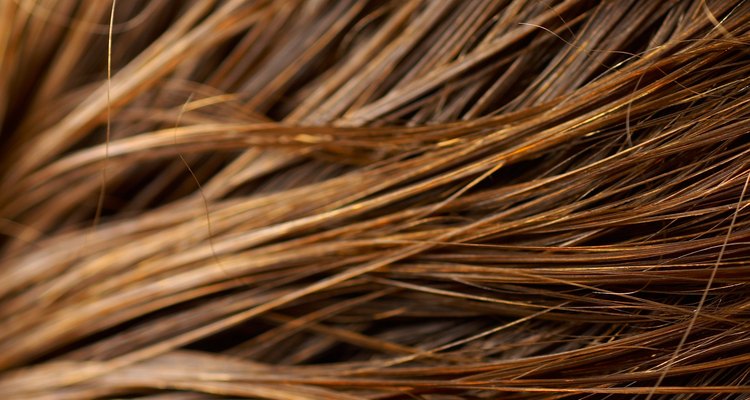
Shiny, moist and smooth hair emanates good health. Conversely, dry, dull and brittle hair might signify potential nutritional deficiencies. Your hair is the fastest growing tissue in the human body, growing at a rate of one-half inch per month. Thus, the nutrients you consume on a daily basis can influence the health of your hair. Eating a diet rich in vitamins, minerals and fatty acids might help optimize the texture of your hair.
Vitamin A
Vitamin A assists in the development and maintenance of healthy hair, as this antioxidant prevents free radicals from damaging the hair follicle. Deficiency of this vitamin can cause dull, dry hair, while too much vitamin A might cause hair loss. Aim to consume between 5,000 to 25,000 international units of vitamin A daily, reports Huntington College of Health Sciences. Good sources of vitamin A include carrots, dairy products, eggs, liver, poultry and fish. Additionally, a zinc deficiency might prevent the absorption of vitamin A. Ingesting 15 milligrams of zinc per day can promote vitamin A absorption. Rich food sources of zinc include oysters, wheat germ, liver, sesame seeds and dark chocolate.
Iron
An iron deficiency can influence the texture and thickness of your hair, according to Columbia University Health Services. Iron primarily functions to carry oxygen throughout the body. When your red blood cells lack iron, you might experience iron deficiency, known as anemia. One common symptom of this type of anemia is brittle hair. Brittle hair might split or break easily, as well as exhibit a course or dry texture. Good sources of iron include poultry, fish, meats, nuts, beans, grains, raisins and spinach. The recommended daily allowance for iron intake among premenopausal women is 18 milligrams and 8 milligrams for men and postmenopausal women. However, if you are a vegetarian, you need to consume more iron, as the iron in plant-based foods do not absorb as easily in the body as meats, poultry and fish. Additionally, consuming foods rich in vitamin C, such as oranges, grapefruit, kiwi, tomatoes and pineapple, might enhance your body’s ability to absorb this mineral.
Fatty Acids
Omega-3 fatty acid, a high-quality protein, stimulates hair growth and assists in regulating the oil balance on your scalp and skin. Your hair is made up of fibrous proteins called keratin. Consuming foods rich in omega-3 supplies nourishment to these fibrous proteins. If you are deficient in omega-3 fatty acids, you might experience dry, brittle and splitting hair. Flaxseed, walnuts and fatty fish, such as tuna, halibut, salmon and mackerel, contain high quantities of omega-3 fatty acids, as well as iron. These foods also supply vitamin E, an antioxidant that enhances the blood circulation of the scalp for optimal hair growth and prevention of hair loss.
Biotin
Biotin, also known as vitamin H, is a B-complex vitamin. B-complex vitamins facilitate healthy hair growth and maintenance. Specifically, biotin plays a critical role in breaking down amino acids used in the synthesis of protein. Protein assists in forming strong, shiny hair. When your body does not receive adequate amounts of biotin, hair loss, dry eyes, lethargy and cracking lips might result. Some hair products include biotin, as it may function to prevent damage and to smooth your hair. Consuming foods rich in biotin might reduce brittle and splitting hair, reports the University of Maryland Medical Center. Foods rich in biotin include eggs, oysters, avocados, dairy products, nuts, raisins, mushrooms, bananas, soybeans, wheat germs, oatmeal and legumes.
Related Articles

Vitamins for Damaged Hair
Can You Change Skin Tone with Food?
Blueberries for Hair Growth
Is Zinc Good for Hair Growth?
Flaxseeds for Hair & Nail Growth
Food Sources of Betaine

How to Control Sebum in Hair with ...

Are Bean Sprouts Good for You?
Which Vitamins Can Help Reverse ...
Lack of Nutrients and Flaky, Dry Skin

Vitamins for Mental Alertness

Avocado Serving Size & Nutrition

A List of Foods That Contain Choline
Uneven Hair Growth

Essential Enzymes for Hair Growth
What Vitamins Help the Liver?
Nutrition Information on Blueberries
How to Use Lettuce for Hair Growth
Foods Rich in Magnesium & Phosphorus

How to Get Black Hair to Thicken
References
Writer Bio
Suzanne Allen has been writing since 2004, with work published in "Eating for Longevity" and "Journal of Health Psychology." She is a certified group wellness instructor and personal trainer. Allen holds a Bachelor of Arts in communication and information sciences, a Bachelor of Arts in psychology and a Master of Arts in clinical psychology.
Photo Credits
Jupiterimages/Photos.com/Getty Images