Home Remedy for Arthritis Knee Pain
Home and folk remedies abound for treatment of painful arthritis in the knees. Some are as close as your grocery store shelves. Swelling, stiffness and inflammation can be relieved--and ease-of-motion returned--with these inexpensive alternatives or additions to pharmaceutical drugs. If you haven’t already given consideration to using supplements and foods to relieve your arthritis pain, you're missing out on a potentially simple solution to a painful problem.
If you are experiencing serious medical symptoms, seek emergency treatment immediately.
Bromelain
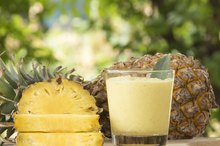
Bromelain is a natural enzyme found in pineapples. Bromelain’s effectiveness for the treatment of arthritis pain in the knees has been documented in clinical trials, reports ArthritisAlternative.com 1. Bromelain is available in pill form from health food stores, or you can just eat a piece of pineapple several times a day. Bromelain is most effective when consumed between meals.
- Bromelain is a natural enzyme found in pineapples.
Apple Cider Vinegar (ACV)
Remedies With Vinegar for Knee Swelling
Learn More
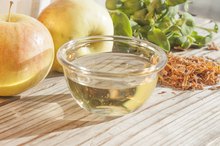
According to Dr. Theodore A. Baroody in his book, “Alkalize or Die,” ACV is a wonder treatment for many things that ail you, including the pain of arthritis 2. ACV must be organic, containing what is known as the “mother of vinegar,” a cloudy substance left in the bottle from the vinegar’s fermentation process. ACV helps keep the body in an alkaline-forming state, which reduces inflammation, thus helping reduce pain. Mix 1 to 3 tbsp. of ACV in 8 oz. of water, and drink up to three glasses a day for pain relief. Reduce the quantity of vinegar if it is too strong for you. Add 1 tsp. of raw honey to sweeten.
- According to Dr. Theodore A. Baroody in his book, “Alkalize or Die,” ACV is a wonder treatment for many things that ail you, including the pain of arthritis 2.
Pectin and Grape Juice
An old folk remedy, highly touted for its effectiveness in reducing the pain of arthritis, is fruit pectin and grape juice 1. Pectin is available in the grocery store in the aisle where you find jams and jellies. The Peoples’ Pharmacy recommends mixing 1 to 4 tsp. pectin with 8 oz. of grape juice for a tasty cocktail that helps reduce pain, swelling, inflammation and stiffness. Pectin is sold in grocery stores under the name Certo, and is also available at health food stores under several brand names.
- An old folk remedy, highly touted for its effectiveness in reducing the pain of arthritis, is fruit pectin and grape juice 1.
- Pectin is sold in grocery stores under the name Certo, and is also available at health food stores under several brand names.
Tart Cherry Juice
Pectin Grape Juice Home Remedy
Learn More
Another highly effective treatment for relieving arthritis in the knees is tart cherry juice. This wine-red juice is very high in potassium, a potent alkalizing agent. Keeping the body in a slightly alkaline state helps to relieve many conditions, enabling the body to regain health. Potassium aids the kidneys in excreting waste and removing toxins that are often found to be an aggravating factor in certain kinds of arthritis, especially gout. Drink one or two glasses of cherry juice mixed with water each day for soothing relief of arthritis symptoms. The recommended amount of cherry juice per glass is 4 oz.
- Another highly effective treatment for relieving arthritis in the knees is tart cherry juice.
Omega-3 Fatty Acids
Fish oil's Omega-3 fatty acids, according to Arthritis-Alternative.Com, provide relief from the pain, stiffness and inflammation that are associated with arthritic conditions in the knee. Consume pharmaceutical-grade fish oil, which has had most impurities removed (it can be purchased at pharmacies).
Related Articles

Remedies With Vinegar for Knee Swelling
Learn More

Pectin Grape Juice Home Remedy
Learn More
Is Pineapple Juice Good for Arthritis Pain?
Learn More
Apple Cider Vinegar for Bursitis
Learn More
Does Vinegar Cause Intestinal Pain?
Learn More
How to use Epson Salt for Gout
Learn More
Can You Use Lemon Juice to Remove Warts?
Learn More

Artificial Sweetener & Joint Pain
Learn More
The Best Cherries for Gout
Learn More
Over-the-Counter Medications for Gout
Learn More
References
- ThePeoplesPharmacy.com: Pectin for Arthritis Pain
- “Alkalize or Die;” Dr. Theodore A. Baroody; 1991
Resources
Writer Bio
Susan Kaye writes about alternative health care, the medicinal value of foods and natural remedies for healing body, mind and spirit. She is currently retired from an active classical homeopathy practice and enjoys sharing her passion for alternative medicine in her writing with those seeking health care freedom.