Digital Vision./Digital Vision/Getty Images
In his book "Louder Than Words: Non-Verbal Communication," author Alton Barbour states that only 7 percent of communication is based on words. Thirty-eight percent is based on volume, pitch and tone of the voice, and a full 55 percent is based on facial expressions and other non-verbal communication. You can increase the likelihood that other people will understand you if you know how to use non-verbal communication effectively.
Eye Contact
Maintain consistent eye contact to demonstrate interest and sincerity. Eye contact can show the other person that you are self-confident and a good listener. The Help Guide mental health website states that it also gives you a chance to read facial cues. Keep your eye contact natural. Drop it occasionally so the other person does not feel like you are staring.
Facial Expressions
Help Guide explains that facial expression can communicate effectively because they are the same across all cultures. Anyone can recognize a smile or frown and gauge its meaning, regardless of where they come from or what language they speak. Vicki Ritts of St. Louis Community College and James R. Stein of Southern Illinois University explain that a pleasant smile can make you seem friendly and approachable to others.
Allow your face to reflect your feelings, but don't overdo it. Exaggerated expressions can seem insincere. You can also use your face to break tension by maintain a "soft" expression when a conversation is getting heated. Letting anger show can agitate the other person further, while a calm expression may help keep her calm too.
Touch
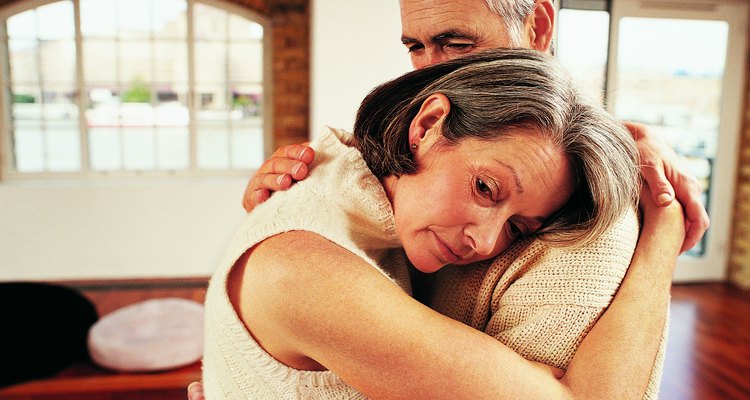
Touch can communicate effectively in a variety of circumstances. For example, the firmness of your handshake can show the other person you are self-confident when you are meeting for the first time. A gentle touch on the shoulder can show empathy when someone is getting emotional. A hug can be friendly, comforting or caring when used with someone you know well. Be careful of how you use touch with strangers and co-workers so it is not interpreted as inappropriate.
Space
You can help maintain the other person's comfort level and show respect if you maintain a proper amount of personal space. It is normal for people in some cultures to get very close to others, but Americans tend to value their space. The other person might feel intimidated or disrespected if you don't keep a proper distance.
Gestures
Some people "speak with their hands," punctuating their words with expansive hand gestures. This can emphasize your words, but be careful of doing it to an extreme. Keep your hand gestures small and natural, letting them emphasize what you are saying without overwhelming your words.
Related Articles

Characteristics of Good Listening Skills

Do Men & Women Use Nonverbal ...

How to Convey Empathy

How to Not Be Inconsiderate

How Does Nonverbal Communication Affect ...

Types of Communication Behavior

Elements of Nonverbal Communication

How to Explain Something Clearly

How to Be a Good Communicator

Components of Effective Communication

How to Deal With Someone Who Is Easily ...

Barriers to Effective Verbal ...

Posture & Nonverbal Communication

Inappropriate Ways of Nonverbal ...

How to Tell Someone What They Mean to ...

How to Use Empathy in Friendship

Characteristics of Verbal & Non-Verbal ...

How to Let My Boyfriend Know How I ...

How to Be Emotionally Supportive of a ...

How to Communicate Without Intimidating
References
Writer Bio
Based in Kissimmee, Fla., Barb Nefer is a freelance writer with over 20 years of experience. She is a mental health counselor, finance coach and travel agency owner. Her work has appeared in such magazines as "The Writer" and "Grit" and she authored the book, "So You Want to Be a Counselor."
Photo Credits
Digital Vision./Digital Vision/Getty Images