How to Relieve Pressure in the Ears From Sinus Drainage
Ear pressure and pain are common symptom of sinus congestion and drainage due to allergies or sinusitis 1. In order to relieve pressure in the ears, it is important to treat the underlying sinus condition with rest, hydration, decongestants and over-the-counter pain relievers. Oil or ear drops, cold packs and elevated rest postures may also help alleviate pressure in the ears.
If you are experiencing serious medical symptoms, seek emergency treatment immediately.
Natural Remedies
Apply a cold compress, such as a cold pack or cold, drained wash cloth, to the affected ear area for 20 minutes to help reduce pain.
How to Unclog the Inner Ear or Eustachian Tube
Learn More
Drink hydrating fluids, such as water, juice or herbal tea, to help dilute mucus and promote sinus drainage.
Get plenty of rest, and arrange pillows to create an elevated sleeping posture in order to encourage drainage and reduce additional ear and sinus pressure.
Treatments
The Best Way to Clean Out Your Ears
Learn More
Take an over-the-counter nasal decongestant according to the package directions.
Take an over-the-counter pain reliever such as ibuprofen or aspirin to reduce pain and inflammation.
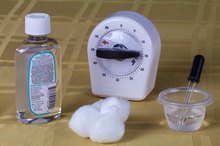
Apply olive oil drops or ear drops to the affected ear for gentle pain relief.
Tips
Increased swallowing, yawning and gum chewing can further relieve ear pressure.
Warnings
Do not give aspirin to children under the age of 18. Consult a physician if home remedies and over-the-counter treatments are not affective in relieving sinusitis symptoms and ear pressure.
Related Articles

How to Unclog the Inner Ear or Eustachian Tube
Learn More
The Best Way to Clean Out Your Ears
Learn More

Relief From Ear Congestion
Learn More

How to Sleep When Ears are Plugged
Learn More

How to Clean Ears With Hydrogen Peroxide
Learn More
How to Rid Smells in My Ears
Learn More

How to Clear Fluid From the Ears
Learn More

How to Unplug Your Ears When You're Sick
Learn More
How to Treat an infected ear piercing
Learn More
How to Get Rid of an Ear Lobe Infection
Learn More
References
- Mayo Clinic: Chronic Sinusitis
- MedlinePlus: Earache
- Little RE, Long CM, Loehrl TA, Poetker DM. Odontogenic sinusitis: A review of the current literature. Laryngoscope Investig Otolaryngol. 2018;3(2):110–114. doi:10.1002/lio2.147
- Egan M, Hickner J. Saline irrigation spells relief for sinusitis sufferers. J Fam Pract. 2009;58(1):29–32.
- Bayan L, Koulivand PH, Gorji A. Garlic: a review of potential therapeutic effects. Avicenna J Phytomed. 2014;4(1):1–14.
- Mashhadi NS, Ghiasvand R, Askari G, Hariri M, Darvishi L, Mofid MR. Anti-oxidative and anti-inflammatory effects of ginger in health and physical activity: review of current evidence. Int J Prev Med. 2013;4(Suppl 1):S36–S42.
- Venekamp RP, Thompson MJ, Hayward G, et al. Systemic corticosteroids for acute sinusitis. Cochrane Database Syst Rev. 2014;(3):CD008115. doi:10.1002/14651858.CD008115.pub3
Writer Bio
L.W. Westerfield is a writer, editor and blogger. Her interests include food, culture, holistic health, yoga and literature. She has written for "USA Today Magazine" and a variety of southern California newspapers. Westerfield is a certified Hatha yoga instructor and a Whole Foods Nutrition Counselor with a focus in macrobiotics and traditional Eastern healing arts.