
Chakra for Anxiety
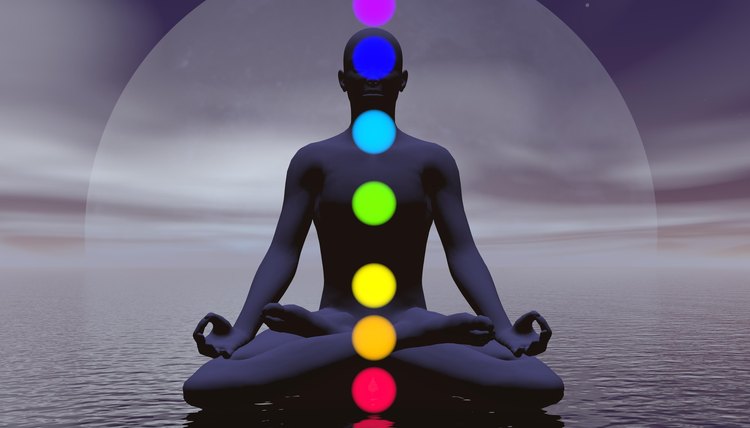
In ancient Eastern philosophy, it is thought that humans have spinning discs of energy, called chakras, located in the body. There are seven main chakras which are located up and down the spine. A blockage of one of your chakras can lead to physical or mental health problems, like anxiety. Four of the seven chakras in particular can prevent anxiety: the third-eye, the throat chakra, the solar plexus and the root chakra.
Third-Eye Chakra
Located on your forehead right between your eyebrows, this chakra is the seat of your intuition. If it's blocked you lose your intuition and can suffer from anxiety due to a lack of clear direction in your life. Your anxiety can spiral out of control because you lose a sense of perspective over your life and become obsessed with the things that give you anxiety.
To cure a blockage of this chakra, practice meditation, which gives you a sense of perspective and helps you tap into your intuition.
Throat Chakra
The ancient Sanskrit name of this chakra is Visuddha. It's located in the throat and goes down to the base of the neck and out to the collar bones. It bridges the heart and mind. The color that represents the chakra is blue, and its symbol is the crescent. Since speech rises from the throat, this chakra is the center of communication. This means that it is not only important for speech, but for listening to others, since that is an important part of communication.
When this chakra is unblocked you can speak and listen well, but when it is blocked anxiety causes your communication to falter. A blockage of this chakra causes shyness, stubbornness, inhibited creativity and social anxiety. You might even have physical symptoms, like a sore throat or difficulty hearing.
To unblock the fifth chakra you can treat the physical symptoms or the spiritual symptoms. You can treat the physical symptoms by singing, which can clear your throat, or drinking water. If you are suffering from a cold or other upper respiratory illness that might be the cause of your blockage.
The chakra for anxiety is the fifth of seven chakras.
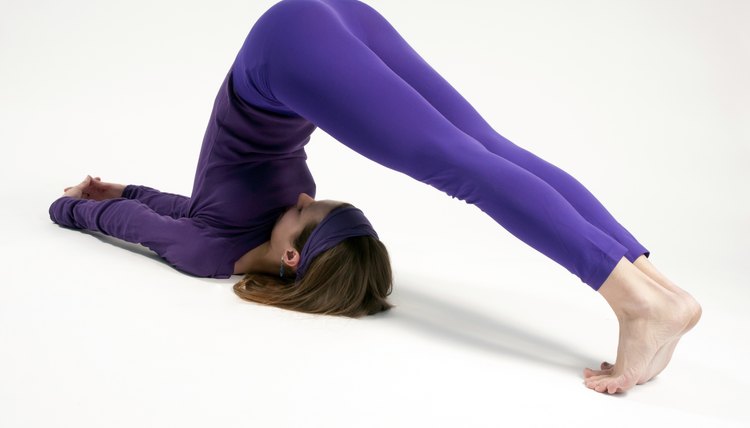
Certain yoga poses can help you unblock chakras. For the throat chakra there are a few poses you can do that stimulate the thyroid and parathyroid glands, which are connected to the throat chakra. Camel Pose, Bridge Pose, Shoulder Stand and Plow all help bring energy to your fifth chakra to clear blockages.
Solar Plexus Chakra
Located under your rib cage, in the same area of your diaphragm, this chakra controls fear and anxiety. It's deeply connected to your digestive system, and when blocked can affect your appetite. You will lose your ability to deal with fear and anxiety because you lose your sense of control. Left unchecked, this can lead to eating disorders.
Skull shining breath can help unblock this chakra. To do this type of breathing, sit on the floor with your legs crossed. Exhale sharply by squeezing your ab muscles, then inhale passively.
Root Chakra
At the root of your spine, the very bottom, is the tailbone. This is where your root chakra is located. It helps you feel grounded and rooted and is the most physical of the seven chakras. If it's blocked you'll experience anxiety because you're no longer grounded. You may even feel like your feet don't touch the ground when you walk.
To unblock this chakra try a Kundalini yoga class, which pays particular attention to the root chakra in order to free energy along the spine. You can also practice stomping your feet on the ground, the sensation of which will make you feel more grounded.
References
- Anxiety.org: How Chakras Affect Your Mental Health
- Yoganonymous: Meditation Monday: Throat Chakra Meditation with Deepak Chopra
- Mindbodygreen: 7 Ways to Balance Your Throat Chakra
- Chakras: Throat Chakra Blockage
- The Chopra Center: Speak Your Inner Truth With the Fifth Chakra
- Yoga Journal: Skull Shining Breath
Writer Bio
Henry is a Philadelphia-based personal trainer and writer. He has trained a wide range of clients, from professional athletes to working professionals. Feel free to contact Henry with any questions regarding an article that he's written.