memoli3120/iStock/Getty Images
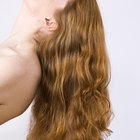
Styling products, chemical treatments and the sun's rays can leave your hair feeling dry and brittle. Instead of addressing the damage with a store-bought conditioner, give your mane a drink of canola oil. Like other types of oil, canola oil moisturizes and softens hair naturally.
Basic Canola Oil Hair Treatment
A drizzle of canola oil is all you need to infuse your hair with moisture. Massage a small amount of the oil into your hair and then cover your hair with a towel or plastic shower cap. Let the oil soak in for at least 10 minutes before shampooing as usual.
Hair Mask With Canola Oil
Canola oil blends well with other ingredients to make a hydrating hair mask. In a small bowl, combine 1 teaspoon of canola oil with 2 teaspoons of olive oil, avocado oil or walnut oil. Mix in 2 teaspoons of coconut oil and 2 tablespoons of vegetable shortening. Melt the oils in the microwave on a low heat setting. Add 2 teaspoons of honey or molasses and stir well. Mix in 1 tablespoon of apple cider vinegar and one egg yolk. Smooth the mixture into your hair and wait for 15 minutes. Shampoo your hair as usual and rinse with warm water.
Related Articles

The Effect of Alcohol-Based Hair ...

How to Moisturize Dry Hair Caused by ...
How to Make a Homemade Cleanser for ...
How to Get Elmer's Glue Out of Hair
How to Make Exfoliating Products for ...

How to Moisturize Curly Extensions
How to Make a Homemade Water-Based Hair ...
How to Condition Hair After Using a ...
Homemade Treatments to Make Hair Thicker
What Does Lemon Juice Do to Your Hair?
How to Control Frizzy Hair for ...

Hair Tips for Super Dry Hair

Benefits of Soybean Oil for Hair

How to Use VO5 Products
The Easy Way to Remove Weaving Glue ...

Types of Hair Treatment

Recipe for a Coconut Oil & Olive Oil ...

How to Fix Permanent Hair Color When ...
How to Repair Dry Tangled Hair

How to Get Hair Ready for Braids
References
Resources
Writer Bio
Melissa King began writing in 2001. She spent three years writing for her local newspaper, "The Colt," writing editorials, news stories, product reviews and entertainment pieces. She is also the owner and operator of Howbert Freelance Writing. King holds an Associate of Arts in communications from Tarrant County College.
Photo Credits
memoli3120/iStock/Getty Images