
Sleeping After Breakfast for Bodybuilding
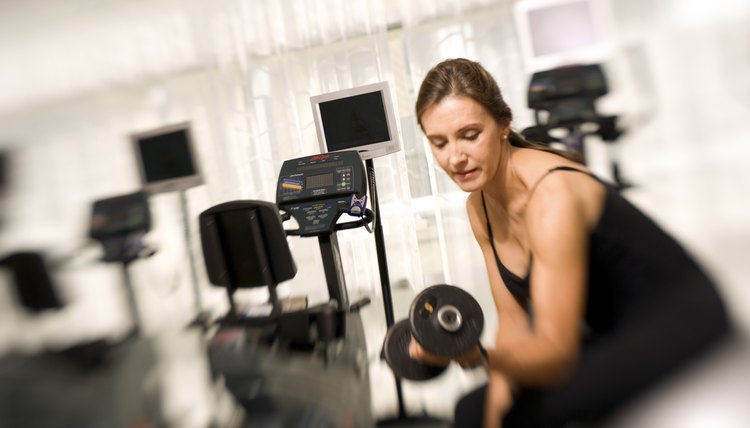
A bodybuilding lifestyle requires special attention to diet, training and sleep. Just as the type of exercises you do and the kinds of foods you eat affect muscle development, sleep also plays an essential role in the process. Timing of each of these three vital lifestyle factors affects the rate of muscle growth. For instance, sleeping after breakfast or napping at other times of the day are discouraged, except for 10- to 20-minute power naps.
Muscle Development
Muscles grow while you sleep, when nutrition and exercise are adequate. During sleep Stages 3 and 4, blood supply to muscles increases and growth hormones are released. For non-bodybuilders, this is a time of tissue repair. Bodybuilders, however, are exercising and supplying their bodies with the types of foods recommended for building muscle, such as lean protein, experience growth of muscles exercised. The body's repair system rushes to the broken fibers of exercised muscles, synthesizing proteins to repair and grow muscles. Protein synthesis remains elevated in exercised muscles for up to 24 hours.
Sleep
Sleep is characterized by quantity and quality. While sleep requirements vary with age and activity level, most adults require at least eight hours of sleep for optimum effect. Quality of sleep is also important. Sleep should be uninterrupted in a cool room with no light or noise. Each of the five stages of sleep has its own function. It takes uninterrupted sleep to allow the body to move through the stages in a cyclical manner throughout the night.
Napping
On the Wanna Be Big website, Maki Riddington defines five types of naps. The Nodding Nap is that drop-off to sleep that usually ends after 10 to 90 seconds with a quick jerk back to wakefulness. The Quickie Nap lasts five to 10 minutes, and increases alertness and motor performance. The Twenty-minute Snoozer has the benefits of the Quickie plus increased performance. The Deluxe Nap, 50 to 90 minutes, has some benefit for the bodybuilder, as it allows the napper to enter one cycle of the growth stage of sleep. The fifth type of nap is called the Caffeine Nap, and has no benefits for a bodybuilder. This nap is used when mental alertness is of the essence and time is limited. For a Caffeine Nap, drink a cup of caffeinated coffee to clear the body of adenosine, which makes you sleepy, and take a 15-minute nap.
Timing
For those individuals who can nap without disrupting their nighttime sleep, a Deluxe Nap can lead to increased muscle growth, according to Riddington. However, if you do nap, it is best to nap in the afternoon, before 3 p.m. A high-protein snack, such as cottage cheese, is also beneficial when it is eaten before going to sleep so the body has the amino acids and other proteins necessary for synthesis and bodybuilding.
References
- Stanford University: The Sleep Well
- National Sleep Foundation: What Happens When You Sleep
- Redline S, Kirchner HL, Quan SF, Gottlieb DJ, Kapur V, Newman A. The effects of age, sex, ethnicity, and sleep-disordered breathing on sleep architecture. Arch Intern Med. 2004;164(4):406–418. doi:10.1001/archinte.164.4.406
- Mander BA, Winer JR, Walker MP. Sleep and human aging. Neuron. 2017 Apr 5;94(1):19-36. doi:10.1016/j.neuron.2017.02.004.
- Kryger MH, et al. Principles and Practice of Sleep Medicine. Elsevier, 6th edition, 2016.
- Ohayon MM, Carskadon MA, Guilleminault C, Vitiello MV. Meta-analysis of quantitative sleep parameters from childhood to old age in healthy individuals: developing normative sleep values across the human lifespan. Sleep. 2004;27(7):1255-1273. doi:10.1093/sleep/27.7.1255
Writer Bio
For Judy Kilpatrick, gardening is the best mental health therapy of all. Combining her interests in both of these fields, Kilpatrick is a professional flower grower and a practicing, licensed mental health therapist. A graduate of East Carolina University, Kilpatrick writes for national and regional publications.