Thoracic spine problems can be caused by a variety of factors, including injury, a musculoskeletal condition or heredity. The thoracic area of the spine, in layman's terms, is the upper back area found between the large bump at the base of the neck to about 5 inches below the base of the shoulder blades or scapula. Understanding the symptoms of spine problems can help your doctor determine a potential diagnosis and treatment that improves motion, range of motion and quality of life. Spinal problems may be caused by bone or nerve issues, which will need to be evaluated by a physician prior to treatment determination.
If you are experiencing serious medical symptoms, seek emergency treatment immediately.
Pain
Pain is an indicator that something is wrong 1. Pain caused by limited or forward bending or side-to-side movements are not normal and should be assessed by your physician to determine a cause. Pain may be caused by a mild or traumatic injury, or may be a sign of a slipped disc, bone degeneration or nerve compression, among other possibilities.
Numbness
Symptoms of Thoracic Spine Pain
Learn More
Numbness or tingling in any part of the body indicates that a nerve is compressed or compromised somewhere in the spine. The spinal cord, protected by the spinal column contains thousands of nerves that extend to all parts of the body. Problems in the thoracic area of the spine may result in tingling, numbness or pain in the extremities and cause difficulty urinating, evacuating, walking or holding onto objects.
Movement
Thoracic spine conditions affecting bones or nerves, or both, often cause stiffness and difficulty moving. Limited movement in all directions or severe morning stiffness are common indications that something is affecting the mobility and function of the back. In some cases, muscle spasms may occur, which may or may not be accompanied by tingling, numbness or pain. In cases of whiplash, severe motion or movement limitations often occur due to tearing or ligaments in the thoracic area of the spine.
- Thoracic spine conditions affecting bones or nerves, or both, often cause stiffness and difficulty moving.
Related Articles
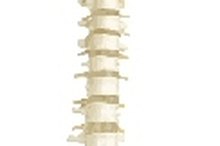
Symptoms of Thoracic Spine Pain
Learn More
Vitamins for Back Pain
Learn More
Complications of Lumbar Laminectomy
Learn More

What Are the Causes of Pain in the Upper Hip or Waist Area?
Learn More
Torn Tendons & Ligaments From Hyperextension
Learn More

What Is Left Foraminal Stenosis?
Learn More

What Are the Causes of Burning Neck Pain?
Learn More
What Is a Eccentric Disc Bulging?
Learn More

What Is Ganglionopathy Sensory Neuropathy?
Learn More

Causes of Nerve Pain in the Hip & Leg
Learn More
References
- Pain Clinic for more about spinal pain
- Louw A, Schmidt SG. Chronic pain and the thoracic spine. J Man Manip Ther. 2015;23(3):162–168. doi:10.1179/2042618615Y.0000000006
- Briggs AM, Smith AJ, Straker LM, Bragge P. Thoracic spine pain in the general population: prevalence, incidence and associated factors in children, adolescents and adults. A systematic review. BMC Musculoskelet Disord. 2009;10:77. doi:10.1186/1471-2474-10-77
- Wysocki J, Bubrowski M, Reymond J, Kwiatkowski J. Anatomical variants of the cervical vertebrae and the first thoracic vertebra in man. Folia Morphol (Warsz). 2003;62(4):357-63.
- Heneghan NR, Rushton A. Understanding why the thoracic region is the 'Cinderella' region of the spine. Man Ther. 2016;21:274-6. doi:10.1016/j.math.2015.06.010
- Al-Otaibi ST. Prevention of occupational back pain. J Family Community Med. 2015;22(2):73–77. doi:10.4103/2230-8229.155370
- Cook C. Evidence based examination of the thoracic spine. Medbridge Education.
- Rock JM, Rainey CE. Treatment of nonspecific thoracic spine pain with trigger point dry needling and intramuscular electrical stimulation: A case series. Int J Sports Phys Ther. 2014;9(5):699-711.
- Heneghan NR, Gormley S, Hallam C, Rushton A. Management of thoracic spine pain and dysfunction: A survey of clinical practice in the UK. Musculoskelet Sci Pract. 2019;39:58-66. doi:10.1016/j.msksp.2018.11.006
Writer Bio
Denise Stern is an experienced freelance writer and editor. She has written professionally for more than seven years. Stern regularly provides content for health-related and elder-care websites and has an associate and specialized business degree in health information management and technology.