Access to clean drinking water is an important part of your health. And besides treatment plants and Brita pitchers, there are some natural water filter systems that clear fluid of contaminants before it ever reaches your tap or water bottle.
Here's everything you need to know about natural water filtration, including how plants and ecosystems purify water and how to clean your water when you're out in nature.
Video of the Day
Video of the Day
What Is Meant by Water Purification?
Purification can mean a few different things depending on whether you're talking about man-made purification systems or natural water filters.
Here, we're talking about how nature purifies water and how to create potable fluid while you're in the great outdoors, rather than water that is up to the U.S. Environmental Protection Agency's (EPA) purification standards for manufactured products and bottled water.
How Does Nature Purify Water?
Before water ever makes it to a treatment plant, ecosystems have their own water filtration processes. Here's how water is naturally purified:
1. Through the Soil
Soil filters water naturally by physically removing large debris and particles as water percolates down through the soil layers, according to Michigan State University. Bacteria and microorganisms in the soil further purify water by breaking down chemicals and contaminants.
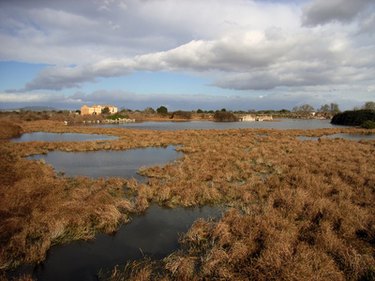
2. With Wetlands
Wetlands also act as natural water filters. They do this primarily through three processes, according to the Vermont Department of Environmental Conservation (DEC).
The first is sediment trapping. During this process, the dense plant life in wetlands naturally filter water by slowing its flow. This allows impurities like metals to sink down to the bottom of the wetland and, over time, become sequestered from the environment they settle deeper into the ground, per the DEC.
Another natural water filter system in wetlands is called nutrient removal, which is when the wetlands capture pollutants like nitrogen and phosphorous before they flow into larger bodies of water like lakes or rivers.
The third natural water filtration process in wetlands is chemical detoxification, which is when pollutants get buried in the sediment layer or plants convert them into less harmful chemicals altogether, according to the DEC.
Tip
Sadly, more than half of U.S. wetlands have been destroyed, according to the EPA, so conservation efforts are important when it comes to protecting these ecosystems and the purification of water by natural plants and wetlands.
How to Purify Water Naturally by Yourself
Perhaps you've wondered if you can drink lake water (or other natural sources of water like rivers) while camping or otherwise enjoying the outdoors. Per the National Park Service (NPS), unprocessed lake water is not safe to drink — even if it looks clean — because it can contain bacteria, viruses and parasites that may cause waterborne illness.
Here's how to purify dirty water naturally:
1. Filter It
First, you need to filter lake or river water for drinking. There are plenty of portable filters to pick from, most of which can strain large debris, sediment and certain bacteria from the water, according to the NPS. Some filters (specifically, those with an absolute pore size less than or equal to 1 micron) can also remove common disease-causing parasites like Cryptosporidium and Giardia.
However, viruses are still small enough to make it through these filters. And it's important to note that filtering is only step one when it comes to creating potable drinking water — you'll also need to boil or disinfect your supply to consider it purified (more on that later).
Buy It
2. Boil It
Once you've filtered your fluid, there are two options for how to purify water. The first? Boil it.
Boiling water is the best way to kill the disease-causing microorganisms in lake or river water, per the NPS. Just heat your water to a rolling boil on a camping stove, then let it boil for the following amounts of time, depending on your altitude:
- Elevation below 6,500 feet: 1 minute
- Elevation above 6,500 feet: 3 minutes
Once it cools, you can drink lake water if you boil it.
Buy It
3. Disinfect It
If you can't or don't want to boil your lake water drink supply, you can otherwise disinfect it by using chemicals or UV lights to kill harmful microorganisms, according to the NPS.
For instance, adding a chemical tablet or drop — like iodine — to your water bottle and then letting it sit for a period of time can destroy pathogens. Just make sure to check with your doctor before trying a disinfection chemical to make sure it's safe for you, and follow the instructions on the product label to use it effectively.
You can also opt for a UV light device, which is a wand that you hold in your fluid supply for a short time to kill any microorganisms before drinking lake water. However, these only work for smaller quantities of water (like a bottle), per the NPS. And follow the instructions on the device label to make sure you're using it correctly.
Buy It
4. Build a Rain Garden
Outside of camping, you can naturally filter water in your own yard by building a rain garden, which is a form of artificial wetland, according to the University of Massachusetts Amherst.
A rain garden is a depression in the land where water can collect, and it replicates the effects of wetlands to naturally filter rain water and minimize contaminants flowing from your yard to drainage systems and, eventually, into bodies of water.
- Vermont Department of Environmental Conservation: "Wetland Functions and Values: Surface and Ground Water Protection"
- U.S. Environmental Protection Agency: "Threats to Wetlands"
- Michigan State University: "Want clean water? Filter with soil"
- National Park Service: "Two Ways to Purify Water"
- University of Massachusetts Amherst: "Rain Gardens: A Way to Improve Water Quality"
- Rain Garden Network: What is a Rain Garden?