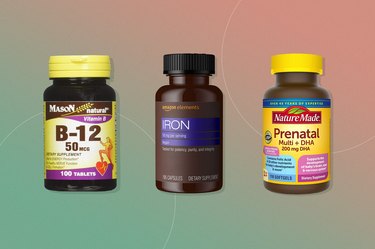
Your 20s are a period of transformation — from teenage years to adulthood, a lot will happen before you turn the big 3-0. While you're hustling, it's easy to forget to eat a balanced diet, but keeping up with your nutrition is key to reaching your adulting potential.
"Research shows that fruit and vegetable intakes decline from adolescence to people in their early 20s," Mariana Serback, RD, CDN and spokesperson for the hospitality company Sodexo, tells LIVESTRONG.com.
Video of the Day
Video of the Day
With that in mind, here are some of the best vitamins for women in their 20s to help fill in nutritional gaps, along with some RD-recommended multivitamins for a 20-year-old female.
A note on language: These supplements are marketed to women because people assigned female at birth (AFAB) need these specific nutrients during their reproductive years and for overall wellbeing. We use the term "women" in this article to match the marketers' language.
The Best Vitamins for Women in Their 20s
- Best Overall Multivitamin: Nature Made Women's Multivitamin Tablets ($24.97, Amazon)
- Best Pregnancy Multivitamin: Nature Made Prenatal Multi + DHA ($16.12, Amazon)
- Best Budget Multivitamin: Kirkland Signature Daily Multi ($16.99, Costco)
- Best Folate: Doctor's Best Fully Active Folate ($7.95, Amazon)
- Best Vitamin B12: Mason Vitamins Mason B12 ($6.99, Amazon)
- Best Vitamin D: Nature Made Vitamin D3 ($9.53, Amazon)
- Best Iron: Amazon Elements Iron ($6.89, Amazon)
- Best Calcium: Solaray Calcium Citrate Capsules ($11.99, Amazon)
How We Chose
Unlike prescription medications, the FDA doesn't regulate supplement safety and efficacy. But they do establish Current Good Manufacturing Practices (CGMPs) for supplements, including requirements for preparation and storage.
We spoke to registered dietitians and included quality products that adhere to CGMPs or have verification from independent quality control organizations such as:
1. Nature Made Women's Multivitamin Tablets
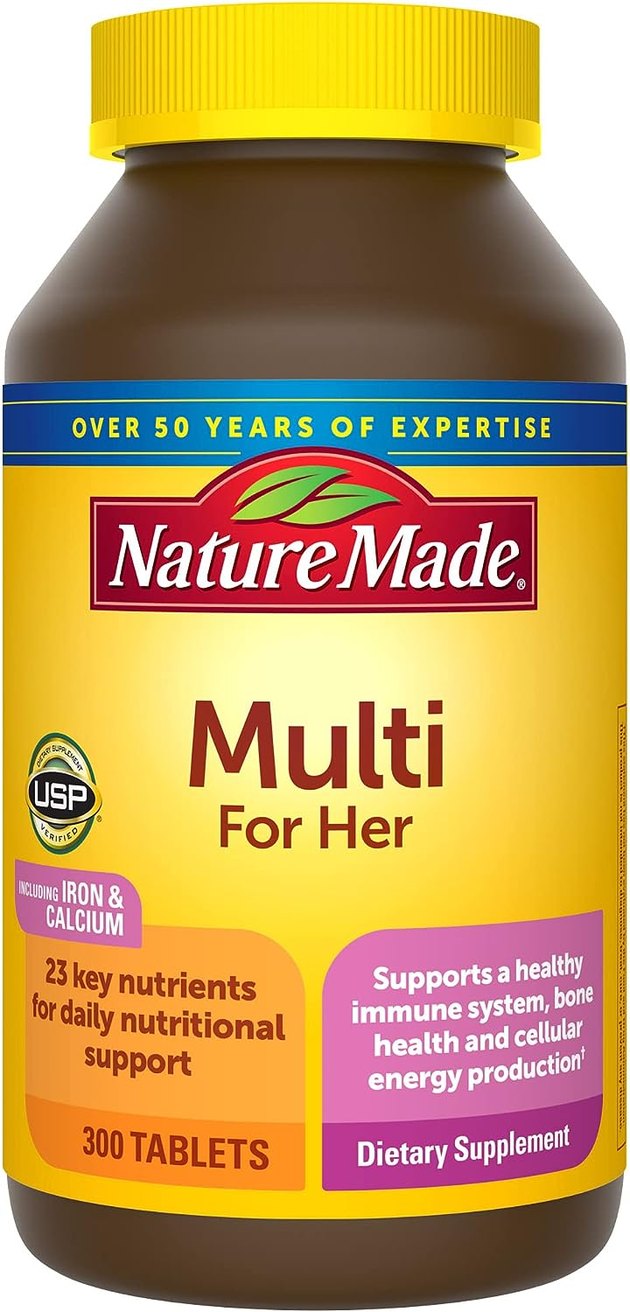
Nature Made Multi for Her
This multivitamin provides key micronutrients for women in their 20s.
Pros
- Balanced mix of essential nutrients
- USP verified
- No added colors or artificial flavors
- Gluten-free
- Affordable
Cons
- Some reviewers say the tablets are big and hard to swallow
Serback recommends this multi and notes it contains 22 key nutrients — that includes calcium, iron and vitamin D, which are all important when you're in your 20s.
"These are easy to swallow and easy on the stomach," Serback adds.
Another benefit of this multi: It has a lot of the vitamins you need, "without being excessive in their micronutrient content," says clinical dietitian Erin Smucker, RD, CSO.
She recommends Nature Made because it makes an evidence-based product with the micronutrients that are required for women in their 20s.
2. Nature Made Prenatal Multi + DHA
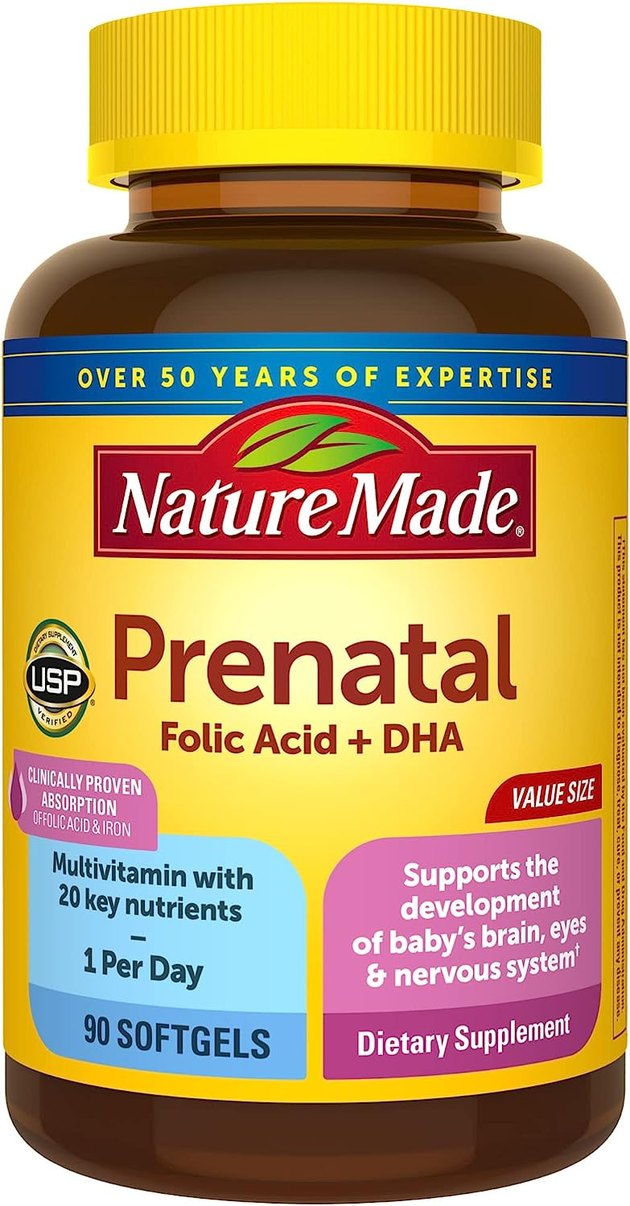
Nature Made Prenatal Multi + DHA
This daily multi has the nutrients you need to support a healthy pregnancy.
Pros
- USP verified
- Affordable
- No artificial flavors
- Gluten-free
Cons
- Some reviewers note a fishy odor
- Pills are large and may be hard for some people to swallow
Both Serback and Smucker praise Nature Made for being independently verified by third-party organizations.
This prenatal multi is also affordable and has many essential nutrients people need during pregnancy, Serback says. "This supplement also contains the omega-3 fatty acid DHA, which supports fetal brain and eye development," she adds.
Just note that the pill can be tough to swallow, with a potentially off-putting fish-like odor, Serback says.
(Want more options? Check out our list of the best prenatal vitamins for a healthy pregnancy.)
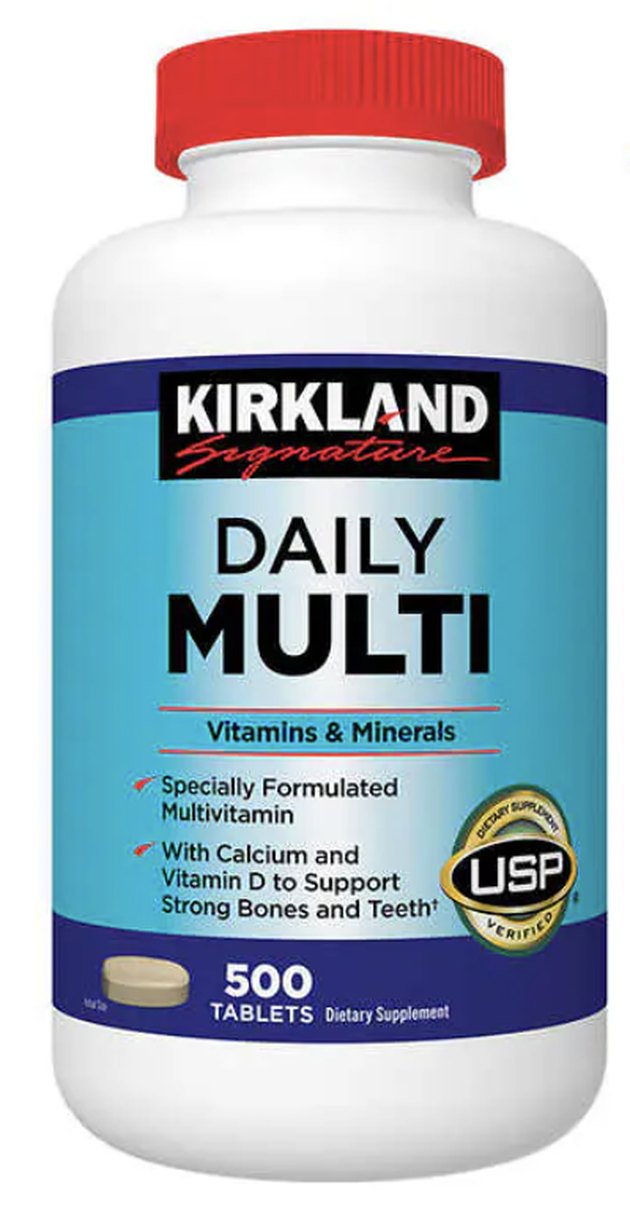
3. Kirkland Signature Daily Multi
Pros
- Budget-friendly
- USP verified
Cons
- Higher iron content than some other multis (some reviewers say this causes constipation and other issues)
- Large pills that may be hard to swallow
This Costco-brand daily multi is USP-verified, Serback says.
"This vitamin contains 100 percent of most vitamins and minerals and can be a great option on a budget," she says.
4. Doctor's Best Fully Active Folate
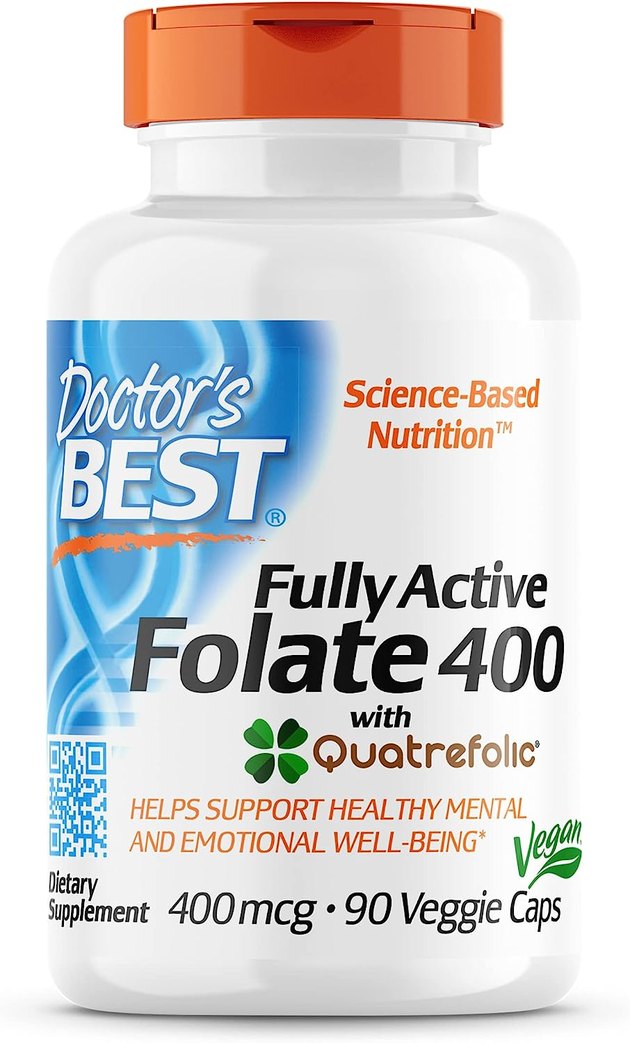
Doctor's Best Fully Active Folate
If you’re planning to get pregnant, it's extra important to get enough folate.
Pros
- Provides 100% daily value of folate
- Non-GMO
- Gluten-free
- Vegan
- Easy to swallow
Cons
- Also contains vitamin C, which causes heartburn for some reviewers
Doctor's Best Fully Active Folate is one of the top folate supplement recommendations from ConsumerLab, an organization that independently tests health and nutritional products.
This B vitamin helps with cell growth and function, Serback says.
"Folate is especially essential for any woman looking to get pregnant, as it prevents birth defects to the brain and spine," she says.
5. Mason Natural Vitamin B12
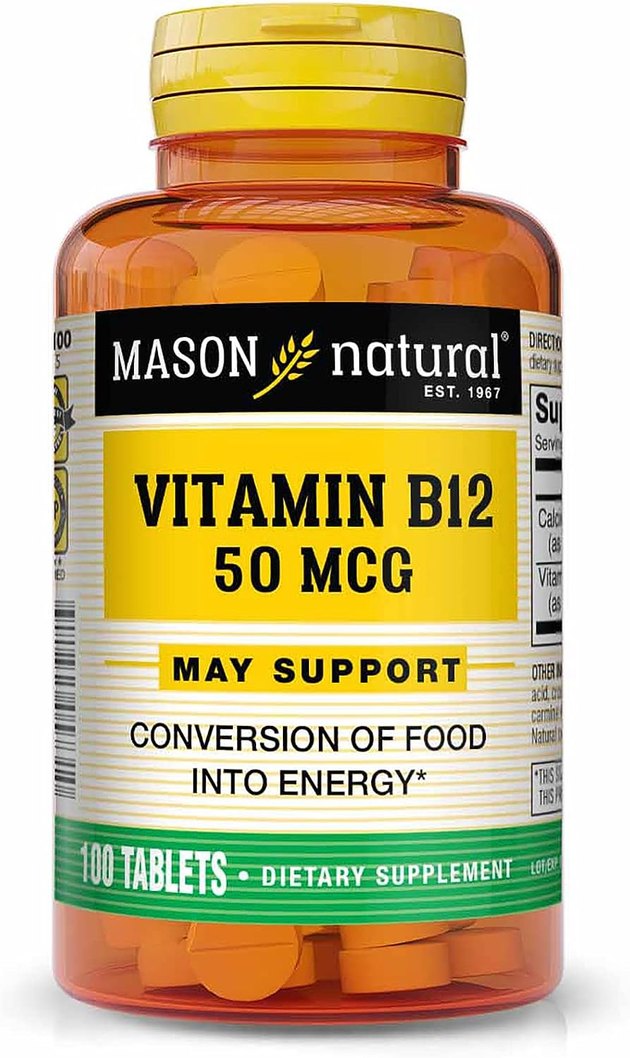
Mason Natural Vitamin B12
This supplement delivers a hefty dose of vitamin B12 without going as far overboard as some other products.
Pros
- Lower dose than many other B12 products
- Recommended by ConsumerLab
Cons
- Not vegan
Many supplements provide far more than the daily recommended amount of vitamin B12, which may come with side effects, according to ConsumerLab.
This vitamin from Mason is the top pick from ConsumerLab due to offering a relatively low dose (compared to other supplements on the market).
6. Nature Made Vitamin D3
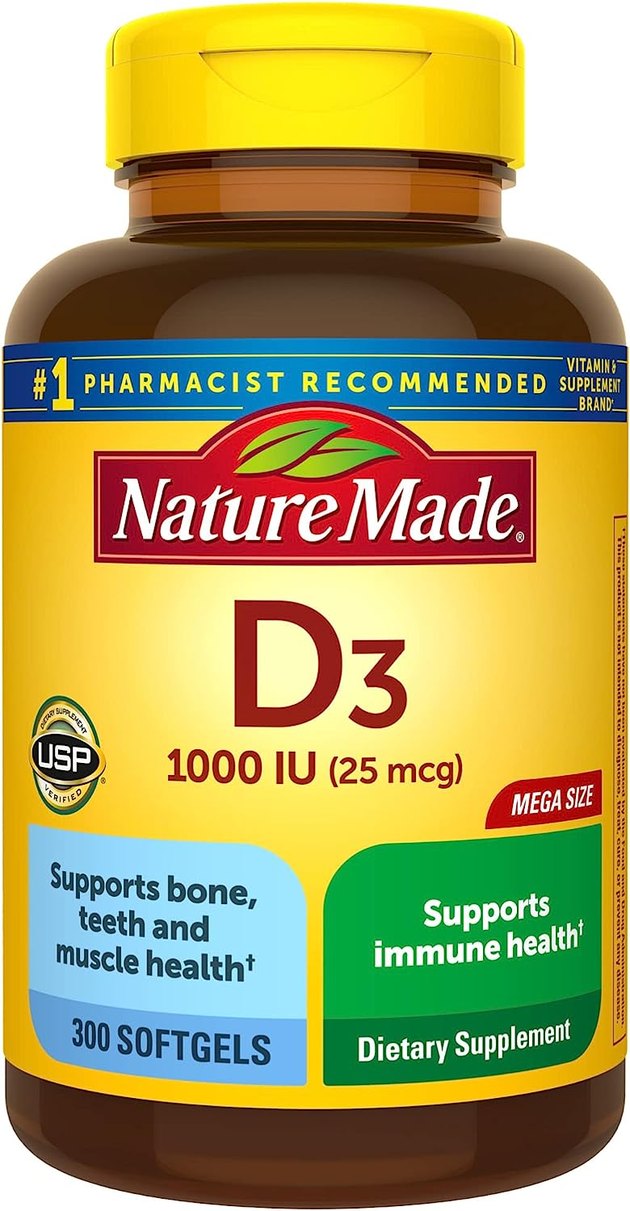
Nature Made Vitamin D3
This supplement has a good dose of vitamin D in a form that's easily absorbed by your body.
Pros
- USP verified
- Affordable
- Easy to swallow
- No added colors or artificial flavors
- Gluten-free
Cons
- Softgels may stick together
"Most of us in the northern hemisphere require a vitamin D supplement to support our levels year-round if you work inside during the daylight hours or at least during the fall and spring months," Smucker says.
Smucker recommends looking for a vitamin that has at least 400 to 1,000 IU per serving — this Nature Made supplement provides 1,000 IU, which is 125 percent of your DV.
7. Amazon Elements Iron 18mg
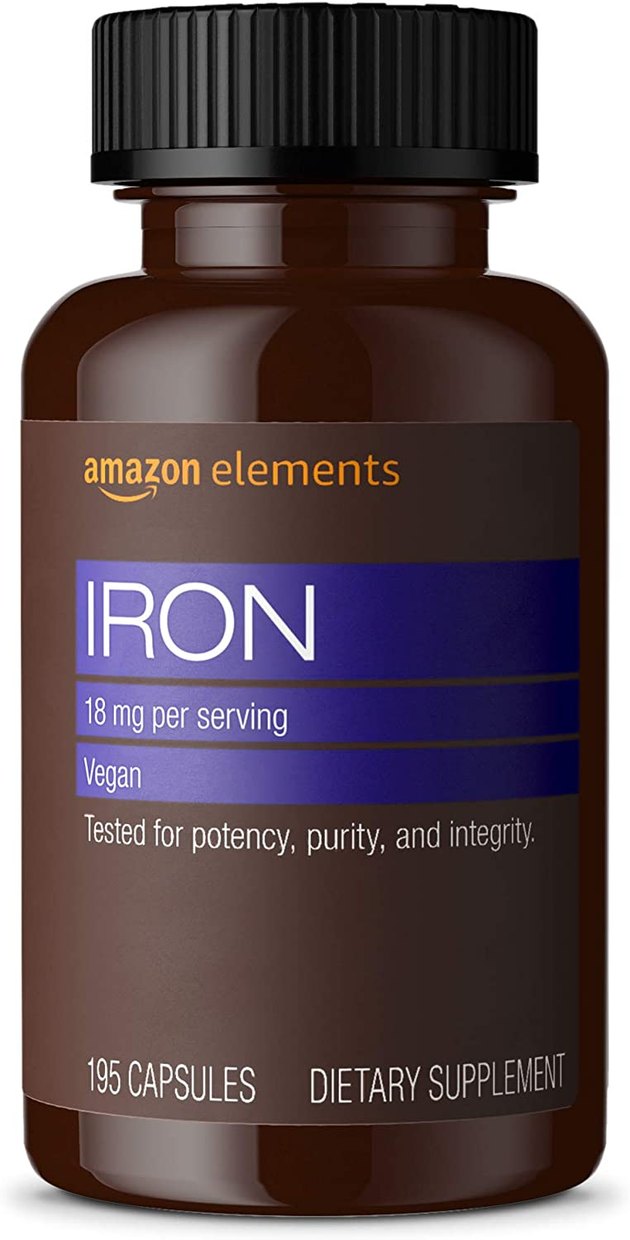
Amazon Elements Iron 18mg
This supplement delivers iron as ferrous bisglycinate, which is less likely than other forms to cause digestive issues like constipation.
Pros
- Affordable
- No artificial colors or flavors
- Gluten-free
- Vegan
Cons
- Only available on Amazon
"In your 20s, it is crucial to maintain proper iron levels," Serback says. That's particularly true for younger people, who may be at risk of iron deficiency due to menstruating.
This budget-friendly Amazon Elements supplement is vegan, provides 100 percent of the DV of iron and is made in a CGMP facility.
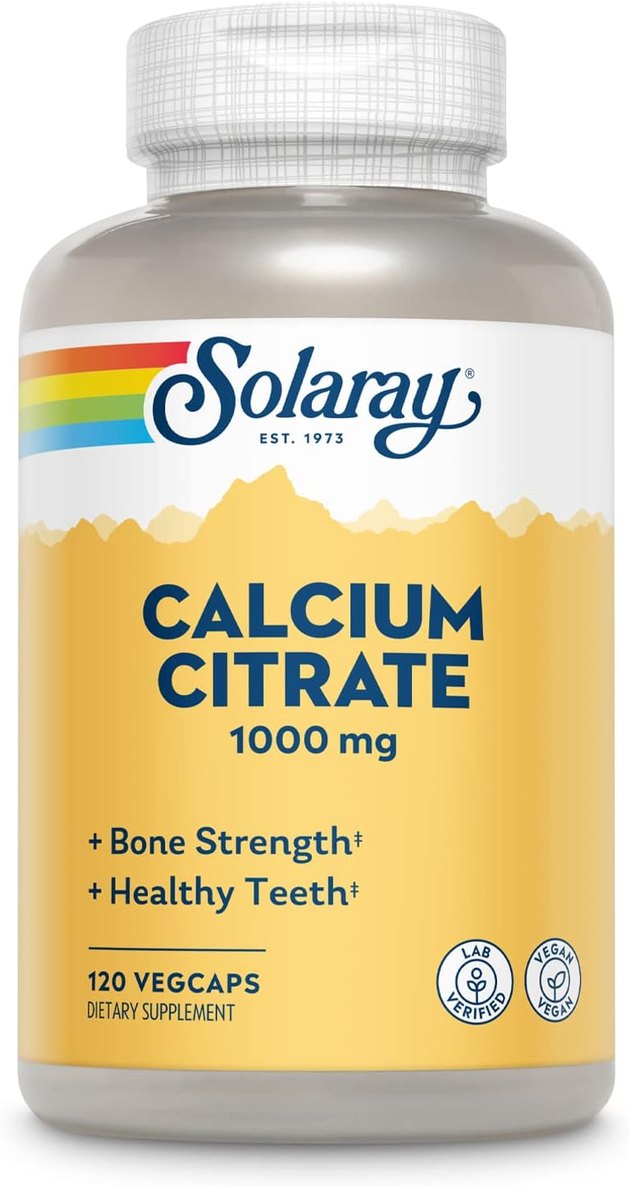
8. Solaray Calcium Citrate
Solaray Calcium Citrate
This supplement delivers all the calcium you need for healthy teeth and bones.
Pros
- Minimal ingredients
- Recommended by ConsumerLab
- Vegan
Cons
- Must take several capsules for a full dose
- May be hard to swallow
- Some reviewers note a white powder residue
As with iron, calcium is essential for your overall health, Serback says.
This supplement is a ConsumerLab top pick for calcium. Take four of these capsules, and you'll get 1,000 milligrams or 100 percent of your DV of calcium.
It can be taken with food or without and should absorb well, per ConsumerLab.
What to Look for in Vitamins and Multivitamins
The vitamin aisle has a lot of options, but tread carefully: Unlike prescription medications, "supplements are not regulated, which means no one is overseeing their production," Serback says.
Because they're unregulated, supplements may have harmful contaminants or be mislabeled.
Here's what to look for when you're purchasing a supplement:
- Third-party certification: "When looking for a multivitamin, look for the U.S. Pharmacopeial Convention (USP seal)," Serback says. That way, you'll know it doesn't contain contaminants and does contain the ingredients listed on the label. "The USP seal also ensures that the supplement will break down and release into the body as specified," Serback says.
- Allergens: If you're allergic to soy or other ingredients, check the label to make sure the supplement doesn't contain it.
Important Nutrients for Your 20s
These are the essential vitamins and minerals for women in their 20s:
1. Vitamin D
Known as the sunshine vitamin, vitamin D is a fat-soluble vitamin that your skin produces when exposed to ultraviolet rays from the sun. It's also found naturally in some foods and added to others.
Vitamin D plays a critical role in maintaining strong, healthy bones because it helps the body absorb the mineral calcium, according to the National Institutes of Health (NIH). Bone strength becomes more important as you age because women have an increased risk of osteoporosis — a condition in which the bones become weak and brittle.
Even women in their 20s can have low bone density and osteoporosis, according to the National Osteoporosis Foundation — although this is rare and typically due to an underlying health condition. The best thing you can do for your bones now and in the future is to get enough vitamin D and calcium, eat a healthy diet and exercise regularly.
Vitamin D also supports your immune system, helps your muscles move and transmits signals between your brain and the rest of your body.
2. Vitamin B12
Whether you're cramming for exams, pulling late nights at work or training for your first half-marathon, having adequate levels of B12 is crucial for sustained energy levels.
As one of the eight B vitamins, B12 helps make red blood cells, which carry oxygen throughout your body. Low B12, called vitamin B12 deficiency anemia, can result in fatigue, shortness of breath, reduced exercise tolerance, dizziness, irregular heartbeat, weight loss, muscle weakness, memory loss and confusion, according to the Mayo Clinic.
B12 also plays a role in the formation of genetic material. If you're thinking about starting a family soon, or are already pregnant, getting enough B12 will ensure your baby's healthy growth and development. A B12 deficiency in pregnant people can result in your baby having a low birth weight or other health problems, according to the Office on Women's Health.
And a B12 deficiency may be more prevalent than previously assumed in people in their late 20s, according to the NIH. Vegetarians are especially at risk because B12 is only very rarely found in plant foods. Some plant foods, such as cereals, are fortified with B12, but depending on your diet, you may not be able to rely solely on fortified foods to get everything you need.
Tip
While you may have seen some good marketing promoting high-dose B12 to increase energy and improve sports performance, the NIH says there is no scientific evidence to support these claims. Only people with a B12 deficiency will experience more energy once the deficiency is corrected.
3. Folate
If you are thinking about starting a family in your 20s, get to know folate.
One of the B vitamins, folate's main job is helping to make DNA and other genetic material, per the NIH. Low folate levels in preconceptional and pregnant people have been linked to an increased risk of having babies with neural tube defects, which affect a baby's brain and spinal cord development.
4. Calcium
Yes, calcium is important for bone health. "This mineral also helps with nerve-to-nerve communication, muscle contraction and activating blood-clotting factors," Serback says.
Make sure to opt for a multivitamin that has either calcium or iron — not both, Serback says. That's because calcium prevents the absorption of iron.
"Try taking your iron supplement at least two hours apart from your calcium to assure optimal absorption."
5. Iron
Don't fall short on this mineral, which makes the red blood cells that deliver oxygen throughout your body, Serback says. "Symptoms of an iron deficiency include fatigue, low energy levels and shortness of breath," she says.
But note that most people get all the iron they need through their diet, according to the Mayo Clinic. For best absorption of this vitamin, take it with meals.
- NIH: "Vitamin D"
- Mayo Clinic: "Vitamin Deficiency Anemia"
- Office on Women's Health: "Vitamins and Minerals for Women"
- NIH: "Vitamin B12"
- NIH: "Folate"
- Paedeatric and Perinatal Epidemiology: "Maternal Multivitamin Intake, Plasma Folate and Vitamin B12 Levels and Autism Spectrum Disorder Risk in Offspring"
- Food and Nutrition Board of the National Academies of Medicine:
- Mercy Medical Center: "42% Percent of Americans Are Vitamin D Deficient. Are You Among Them?"
- International Journal of Environmental Research and Public Health: "Controversies Surrounding Vitamin D: Focus on Supplementation and Cancer"
- International Journal of Behavioral Nutrition and Physical Activity: "Changes in diet through adolescence and early adulthood: longitudinal trajectories and association with key life transitions"
- Mayo Clinic: "Iron Supplement (Oral Route, Parenteral Route)"
- ConsumerLab: "B Vitamin Supplements Review (B Complexes, B6, B12, Biotin, Folate, Niacin, Riboflavin & More)"
- ConsumerLab: "Calcium Supplements Review"