Elena Schweitzer/iStock/Getty Images
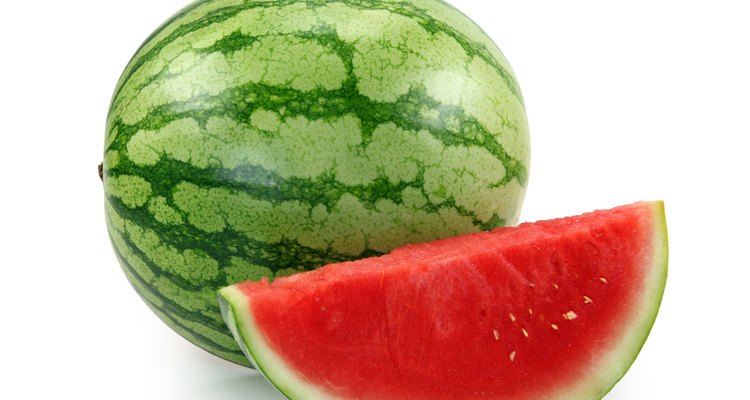
Dr. Isabelle Moser says in her book, How and When to Be Your Own Doctor, that autointoxication occurs when unhealthy bacterial life forms amass in the bowel wall and the heavy mucus coating of the colon thicken as a host for putrefaction. Your body begins to take on toxic substances that can cause health complications and an overall sense of unwellness. Cleansing the colon with the popular fruit and vegetable diet helps regulate the digestive tract and effectively flush toxins from your bowels and colon. Always consult your doctor before beginning a cleansing diet.
Spinach
Stockbyte/Stockbyte/Getty Images
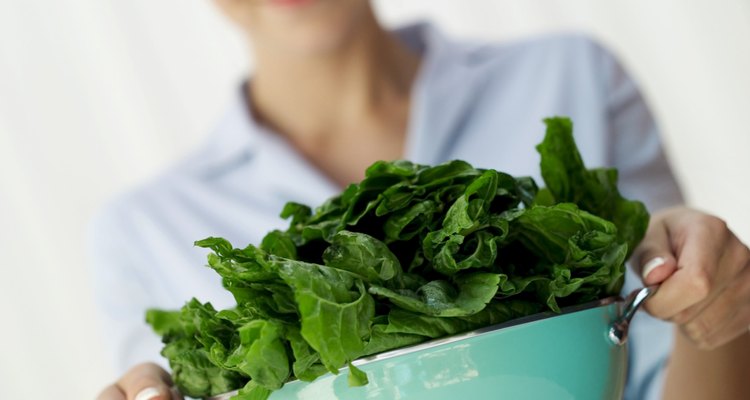
The Health Care Center recommends using spinach as part of the fruit and vegetable diet to detoxify the body and cleanse the colon. Spinach contains the compounds vitamins A and K, folate and iron. It's instrumental in replenishing magnesium to the system and facilitating proper digestion. The Colon Cleanse Advice website says that spinach releases constipation and promotes regular bowel movements to cleanse the colon. Additionally, spinach is rich in phytonutrient flavonoids, which are antioxidants that repel cancer-causing toxins in the body, such as the colon.
As a green leafy vegetable, the body requires a bit of dietary fat to absorb its nutrients properly. Steam or lightly saute spinach in a dollop of butter alternative or extra virgin olive oil, according to the Center for Young Women's Health. Regularly eat this veggie through the duration of the diet to cleanse the colon.
Turnip Greens
Stockbyte/Stockbyte/Getty Images
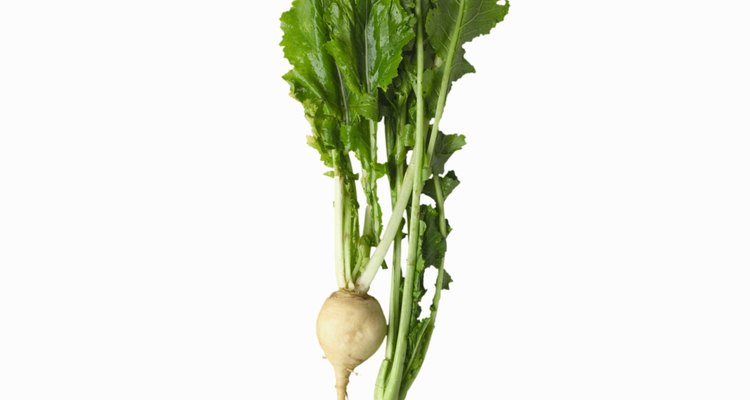
The main component of the diet, according to the Cancer Resource website, is fiber to help flush toxins and regulate digestion. For every 1 cup of cooked turnip greens, 5g fiber release into the body, according to Colorado State University. Much of this fiber is insoluble plant fiber, which passes quickly through the digestive tract and flushes away toxins and accumulated contaminants from the colon and bowel.
Consider eating a spinach and turnip green salad with olive oil and balsamic vinegar. Eating vegetables raw helps obtain the most nutrients, as some are lost during the cooking process. Olive oil helps your body absorb associated vitamins and minerals; balsamic vinegar naturally breaks down fats hindering the digestive tract, according to the Center for Young Women's Health.
Apples
Goodshoot/Goodshoot/Getty Images
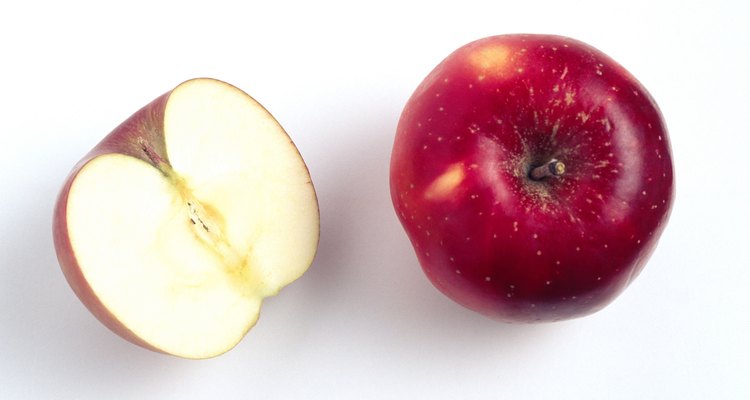
The Colon Cancer Resource Center says soluble fiber greatly reduces bowel and colon disorders. Eating apples as part of the fruit and vegetable diet delivers a high amount of soluble fiber necessary in cleansing the colon and eliminating contaminants.
Soluble fiber in apples dissolves in water to create a gel-like compound. It aids in lowering blood cholesterol and reducing toxin buildup within the body. The role of soluble fiber in preventing diseases in the colon. Always eat the skin of the apple, which contains the most phytonutrients conducive to removing contaminants within the body.
Artichoke
PhotoObjects.net/PhotoObjects.net/Getty Images
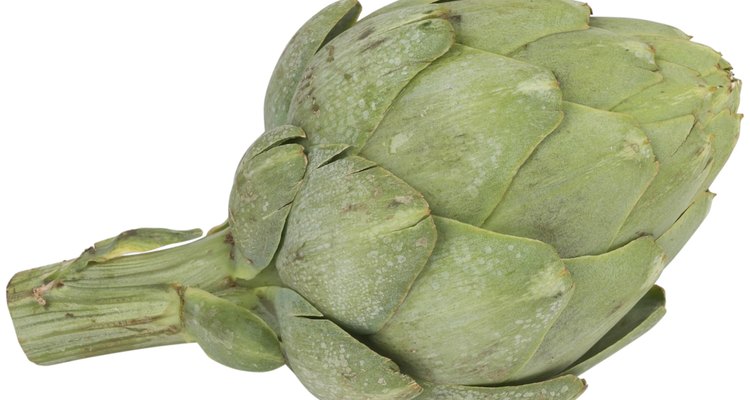
Artichoke is among the best vegetables to eat as part of the colon cleanse fruit and vegetable diet. The Women and Health website affirms that insulin present in artichoke relieves irritable bowel syndrome that directly aggravates the colon, causing toxic buildup and general discomfort. Additionally, this vegetable is rich in manganese, fiber and folate, which reduces cancer-causing agents in the body and bloating associated with poor digestion. For a quick and tasty artichoke meal, steam a head of artichoke in garlic water. Squeeze fresh lemon juice over it. The high acid level of lemon also aids in colon cleansing.
When and How to Do It
George Doyle/Stockbyte/Getty Images
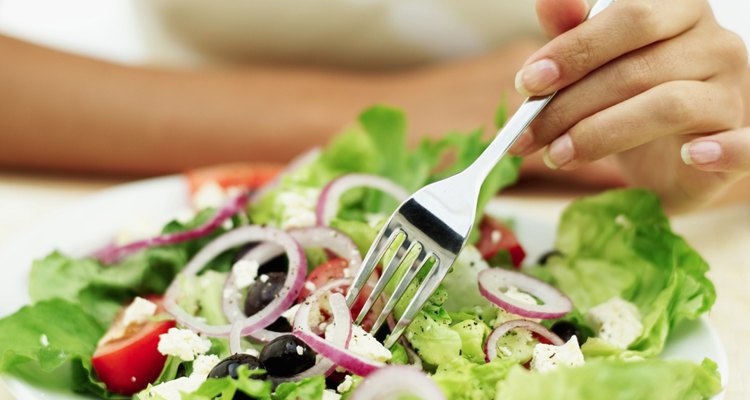
The Healing Daily website says that a proper colon cleanse diet can take up to three to four weeks. Eat only fruits and vegetables four days out of the week. For the other three, supplement your diet with lean meats and fish as protein sources to avoid an unbalanced diet. Partaking in a regular fitness regimen helps facilitate a healthy digestive tract as well. Alternately, the Colon Cancer Resource website says the colon cleanse fruit and vegetable diet is also a preparatory measure generally done two weeks in advance of a colonoscopy. Depending on your current lifestyle and needs, you can safely partake in this diet every couple of months.
Side Effects
Stockbyte/Stockbyte/Getty Images
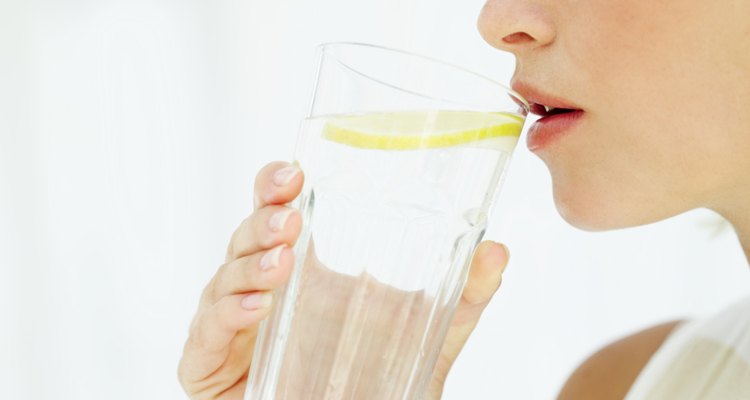
The colon cleanse fruit and vegetable diet is generally safe if done properly. Because the regimen can take up to three to four weeks, it's important to supplement your diet with the proper protein sources, such as lean meats and fish. Drinking adequate amounts of water and regularly exercising also encourages the removal of toxins while keeping the body balanced. If you don't keep your body nourished during the cleanse, dizziness, nausea, fatigue and dehydration can occur.
Related Articles

Foods to Prevent Jaundice
Nutrition Information on Blueberries

Is Zinc Good for Hair Growth?
Food Sources of Betaine

How to Freeze Broccoli
How to Freeze Fresh Asparagus
What Is the Difference Between Roughage ...
Can You Juice Celery Leaves?

What Is the Nutritional Value of ...
How to Roast Radishes, Parsnips, ...
How to Parboil Artichokes

Vitamins for Mental Alertness
Fruit & Vegetable Fast Menu
Nutrition Drinks for Diabetics
How to Cook Papaya
Wild Yam for Hair Growth
How to Perfectly Cook Broccoli
Nac & Hair Growth
Serving Size of Steamed Asparagus
How to Blanch Spinach
References
- "How and When to Be Your Own Doctor"; Isabelle Moser, MD; 1997
- Today's Women and Health: Artichokes
Resources
Writer Bio
Skyler White is an avid writer and anthropologist who has written for numerous publications. As a writing professional since 2005, White's areas of interests include lifestyle, business, medicine, forensics, animals and green living. She has a Bachelor of Arts in anthropology from San Francisco State University and a Master of Science in forensic science from Pace University.
Photo Credits
Elena Schweitzer/iStock/Getty Images