Coastal California Campgrounds

Coastal California Campgrounds
Photo Credit california coast image by MAXFX from Fotolia.com

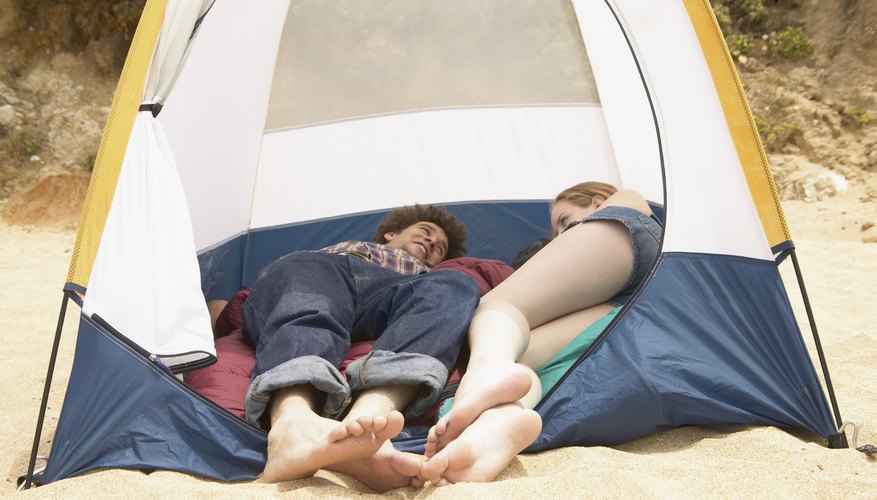
From Imperial Beach to the rocky north, California's Pacific coastline has 450 beaches. Some of these are day-use only, but many have campgrounds for recreational vehicles and tents, individuals and groups. Campgrounds are federal, state, city or privately operated. Over 15 million people live near the beaches of California, so sharing the turf and planning ahead are smart choices. Some beaches have sites directly on them, others are nestled in nearby forests. Adventurers can hike, swim, bicycle, surf, kayak and ride horses. The less adventurous can hunt for antiques in nearby towns or discover local history.

South Coast

Just a few miles north of the Mexico border, Imperial Beach attracts thousands of visitors. Most of these folks arrive in RVs and camp at Silver Strand and Mission Bay. Tent campers have to head a little further north to find anything the least bit inviting. Good surfing, swimming and kayaking can be had at San Elijo State Beach and South Carlsbad State Beach, where sites are available for both RVs and tents. As you sneak further up the coast, things begin to improve and more options become available. Laguna Beach, Newport Dunes have some beautiful places for camping, and there are many other sites in Orange County and Los Angeles County. If you like wind surfing, try Leo Carillo Beach just north of Malibu. Sycamore Canyon is a lovely site from which to base for area hiking.

Central Coast and San Francisco Bay Area

El Capitan and Refugio State Parks have camping and many other offerings, especially for swimmers and anglers. Other sites along the central coast can be found at Emma Wood near Santa Barbara, Pismo Dunes, Morro Bay by the great rock, San Simeon near Hearst Castle and Big Sur near the Julia Pfeiffer Burns area. The entire coast between campgrounds offers hiking trails, bicycling and some horseback riding. Be sure to take a side trip to Moss Landing near Monterey for some amazing bird and wildlife viewing. Around the Bay Area check out Manresa, Big Basin, Wilder Ranch near Santa Cruz and the phenomenal Point Reyes National Seashore. At Point Reyes, miles and miles of mountain biking, kayaking, canoeing and hiking opportunities exist. You'll begin to see a lot of wildlife from this area north. Be sure to keep your distance from elk, coyote, seals and other creatures.

North Coast

Things quiet down the further north you get, which is great for those who wish to restore inner peace. Fort Ross, Bodega Bay, Gualala, Point Arena and Sinkyone Wilderness all have different things to offer campers. Some of the most inspiring campgrounds and vicinities of Northern California include all the areas that have ancient and enormous redwoods. Try Humboldt Redwoods and Del Norte for extensive hiking trails and bicycling. Nine miles east of Crescent City lies Jedediah Smith Redwoods State Park, an ideal campsite from which to base further explorations on foot and bike, or for swimming and boating. This area is only about 20 minutes from Pelican State Beach, and in another few miles you'll be in Oregon. Backcountry explorers use extra caution, as bobcats, bear and other wildlife reside in these areas and have been known to come down from the hills.

What to Take

When planning your trip, make sure all the gear is in good condition well in advance. What you can take will vary if you are hiking in, car camping or plan to sleep in an unimproved site. The basic list for camping include tents, sleeping bags, lanterns, camp stove, cooler, food, flashlights, matches and warm clothes for chilly nights by the ocean. Additional items that can make your trip more comfortable are beach chairs, air mattresses, a beach umbrella or something to provide shade, an extra rain tarp, a shovel to dig a small trench for any rain run-off, and a few pieces of firewood for sites that have fire pits or the beach rings. Don't forget your snorkel and fins, fishing gear, surfboard, kites, bicycles, camera and beach ball. If you will stay at a primitive site, check ahead to learn about water availability as you may have to carry this in. Try to leave the electronics and noise makers at home and respect others who are sharing the space.

Reservations

Although several campgrounds are first come/first serve, it's wise to book your site as soon as you know your dates for vacation or travel. Many California campgrounds fill up early, well ahead of season. Some campgrounds are open year-round,and many from May to December. The summer months are "high season" and trying to find a campsite can be difficult unless you reserve (preferably) six months in advance. Call 1-800-444-PARK (7275) or 1-916-638-5883 to book campsites on state park grounds. Some sites can be booked online. Remember to arrive early on your scheduled date or you could lose your site. Cancellations do happen for some planning last-minute getaways. If you are hiking or driving in to a non-reservation site, be sure to get in with enough daylight left to find a campsite and get set up. Costs vary from $15 to $550, contingent upon the type of campground, group rates, and if you bring a horse or visit undeveloped sites.

References

Article reviewed by Joelle Moran Last updated on: Dec 7, 2010

Must see: Photo Galleries

Member Comments