Lasix & Diet
Lasix -- or furosemide -- is a type of loop diuretic prescription drug used to treat many conditions such as high blood pressure, fluid retention, kidney or liver disease, or other medical conditions. When taking Lasix, it is important to be aware of special dietary considerations to prevent side effects and excessive weight loss and to promote stable electrolytes.
What Is Lasix?
Lasix causes the kidneys to excrete additional fluid and salt from the body through urine. This medication comes in either a tablet or liquid form and should be taken by mouth exactly as prescribed by your physician. Lasix is intended to control -- not cure -- high blood pressure, so continue using it unless your doctor recommends otherwise. Always inform your doctor of other prescription and nonprescription drugs you are taking before starting Lasix.
- Lasix causes the kidneys to excrete additional fluid and salt from the body through urine.
- Lasix is intended to control -- not cure -- high blood pressure, so continue using it unless your doctor recommends otherwise.
Side Effects
Benicar & Potassium
Learn More
Lasix may cause headache, restlessness, cramps, nausea, vomiting, thirst, diarrhea or constipation. Other more severe side effects can include low blood pressure, dizziness, blurred vision, weakness or abnormal electrolytes. Be sure to call your doctor immediately if you have symptoms such as sore throat, fever, loss of hearing, difficulty breathing or severe unintentional weight loss.
Diet
Lasix should be taken on an empty stomach to improve absorption and effectiveness. However, if this causes stomach distress, you can also take Lasix with food or milk. Limit alcohol when taking Lasix and use caution if you are pregnant or lactating. Since Lasix is a potassium-depleting drug, your doctor may recommend that you follow a diet that is high in potassium and magnesium and possibly low in sodium.
- Lasix should be taken on an empty stomach to improve absorption and effectiveness.
- Limit alcohol when taking Lasix and use caution if you are pregnant or lactating.
Foods to Eat
Hydrochlorot Side Effects
Learn More
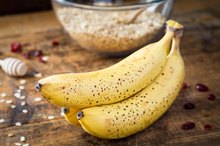
Foods that are high in potassium include fruits, vegetables and certain juices. For example, prunes, tomato paste, bananas, raisins and orange juice are high in potassium. Foods that are high in magnesium include beans, nuts, whole grains and vegetables. For example, almonds, oatmeal, peanut butter and spinach contain significant amounts of magnesium. In general, aim to eat a healthy balanced diet that includes whole grains, lean meats, fruits, vegetables, low-fat dairy and healthy fats to provide adequate vitamins and minerals.
- Foods that are high in potassium include fruits, vegetables and certain juices.
- Foods that are high in magnesium include beans, nuts, whole grains and vegetables.
Considerations
When taking Lasix, always follow dosage instructions and talk to your doctor if you experience side effects. Attend all scheduled appointments with your physician, as you will need blood pressure, lab tests and weight checks performed routinely.
Related Articles

Benicar & Potassium
Learn More

Hydrochlorot Side Effects
Learn More
Furosemide & Potassium
Learn More

Alternative to Metoprolol Succinate
Learn More

Can I Take Benicar & Eat Grapefruit?
Learn More

How to Lose Weight on Yasmin
Learn More

Nutritional Problems If You Use Digoxin & Furosemide
Learn More

How to Take Dramamine to Fall Asleep
Learn More

How to Lose Weight Using Glucophage
Learn More

Weight Loss From Furosemide
Learn More
References
- Food-Medication Interactions; Zaneta Pronsky; 2010
- MedlinePlus: Furosemide: September 2008
- Office of Dietary Supplements: Magnesium
- Bove T, Belletti A, Putzu A, et al. Intermittent furosemide administration in patients with or at risk for acute kidney injury: Meta-analysis of randomized trials. PLoS ONE. 2018;13(4):e0196088. doi:10.1371/journal.pone.0196088
- Khan TM, Patel R, Siddiqui AH. Furosemide. In: StatPearls [Internet]. Treasure Island (FL): StatPearls Publishing; 2019 Jan-.
- Furosemide Monograph. Drugs.com
Writer Bio
Tiffany Schulte has been been writing since 2003. She writes for LIVESTRONG.COM and works as a registered dietitian specializing in adult and geriatric nutrition. Schulte holds a Bachelor of Science in dietetics from Point Loma Nazarene University and a Master of Science in nutritional science from California State University, Long Beach.