What Foods Can You Eat If You Have Crohn's Disease or Colitis?
Crohn's and ulcerative colitis are inflammatory bowel diseases (IBDs) that cause inflammation of the gastrointestinal tract. According to the Mayo Clinic, both Crohn’s and ulcerative colitis cause severe abdominal pain and diarrhea. They can even lead to malnutrition. There are no known cures for Crohn’s or colitis, but there are treatments that can ease symptoms. The Mayo Clinic suggests modifications to the diet to help control flare-ups.
Low Fat Foods
People with Crohn's and ulcerative colitis have difficulty digesting and absorbing fat, explains the Mayo Clinic. Fat then passes through the digestive system, making diarrhea worse. The Mayo Clinic also explains that butter, margarine, cream sauces and fried foods are the worst culprits. To control diarrhea, individuals with Crohn’s and ulcerative colitis should follow a low fat diet. Low fat foods include low-fat and fat free dairy products and dairy alternatives, bread, cereals, crackers, rice cakes, pretzels, unbuttered popcorn, oatmeal, pancakes made without fat, plain pasta, plain rice, low-fat muffins, any fruit or vegetable prepared without fat, chicken or turkey without the skin, lean beef, fresh ham, Canadian bacon, lean pork, fish, boiled eggs, low-fat luncheon meats, broth-based soups, diet margarine, small amounts of avocado, and fat free salad dressings.
Milk Alternatives
Foods Containing Fat Soluble Vitamins
Learn More
According to the Mayo Clinic, many people with IBDs have difficulty digesting lactose, a sugar found in dairy foods, causing abdominal pain, gas and diarrhea. Many individuals with Crohn’s and ulcerative colitis do better with alternate milk choices such as lactaid products, soy milk, rice milk, almond milk, and hazelnut milk. Lactaid pills can also be used to help digest dairy foods.
Low Fiber Foods
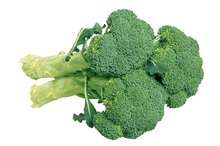
People with Crohn’s and colitis may have difficulty digesting foods high in fiber. According to the Mayo Clinic, high fiber foods increase abdominal pain, gas and diarrhea for Crohn’s and ulcerative colitis sufferers. The Mayo Clinic states that foods in the cabbage family seem to cause the most problems, including broccoli and cauliflower. A low fiber diet may be better tolerated. Low fiber foods include white bread, white rice, cereals with less than 1 gram of fiber per serving, most canned and cooked fruits without skins or seeds, raw fruit without skin or membranes, fruit and vegetable juices with little or no pulp, tender meats, smooth peanut butter and desserts without nuts or seeds.
Related Articles

Foods Containing Fat Soluble Vitamins
Learn More
South Beach Vegetarian Diet
Learn More
Free List of Healthy Low-Fat Foods
Learn More
Nectarines and the Glycemic Index
Learn More

Gluten-Free Diet for Ulcerative Colitis
Learn More

Diet & Nutrition for Collagenous Colitis
Learn More
What Is the Prudent Diet?
Learn More

How to: Yogurt to Help Clean the Intestines
Learn More
High Fiber Diets That Cause Diarrhea
Learn More

List of Foods That Are Binding
Learn More
References
Writer Bio
Jill Corleone is a registered dietitian and health coach who has been writing and lecturing on diet and health for more than 15 years. Her work has been featured on the Huffington Post, Diabetes Self-Management and in the book "Noninvasive Mechanical Ventilation," edited by John R. Bach, M.D. Corleone holds a Bachelor of Science in nutrition.