Can You Take Plan B With Caffeine?
Plan B is one of the brand names of emergency contraception pills, or ECPs, available in the U.S. market as of 2011.
Although it originally required several doses, the manufacturer is phasing that option out to focus on "Plan B One Step," a single-dose regimen. Plan B contains the hormone levonorgestrel and is used to prevent pregnancy after unprotected sexual intercourse or contraceptive failure.
How Plan B Works
Plan B contains the hormone levonorgestrel, which has been widely available in the U.S. since the 1960s. Although it has been used "off-label" as emergency contraception nearly since it was first introduced, it only became widely available expressly for that purpose in the late 1990s and early 2000s.
Despite this long history of usage, researchers still are not exactly sure how levonorgestrel works to prevent pregnancy from occurring. In a 2001 issue of the medical journal "Contraception," a thorough review of relevant studies was published in which study co-author H. B. Croxatto discussed the various potential mechanisms of action. In some cases, researchers found that levonorgestrel works by changing the cervical mucus and making the vagina a more hostile environment to sperm. In others, researchers suggested that a change in the endometrium, or uterine lining, makes pregnancy less likely. Still other studies suggested that changes within the fallopian tubes make it difficult for the sperm or fertilized egg to travel to the uterus for implantation. Lastly, some researchers successfully demonstrated that levonorgestrel causes a delay in ovulation so pregnancy cannot occur.
Plan B and other ECPs do not and cannot terminate an existing pregnancy, they can only prevent a pregnancy from occurring.
Taking Plan B
How Long Does Plan B Last?
Learn More
If you are sexually active, some health care providers suggest that you have a prescription of Plan B or other ECPs filled ahead of time so you will have it on hand for any emergencies that may arise at times it is inconvenient to visit your doctor. Talk with your physician to see if this might be a good choice for you.
States have varied requirements regarding the availability of Plan B and other ECPs. Some require a doctor's prescription, others offer it over-the-counter. If you are under 16, you will need a prescription in most states.
When obtaining your Plan B, discuss any other medications or supplements you take regularly with either the pharmacist or your doctor, even if they are just over-the-counter medications. Also, mention any diseases or conditions you have.
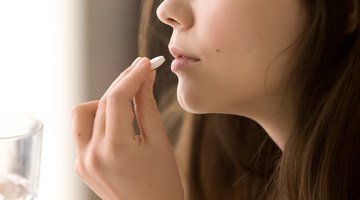
Once you have your Plan B, it is important that you take it as soon as possible.
Plan B has been demonstrated to be effective when taken within 72 hours, or three days, of unprotected sexual intercourse. However, it is more effective the sooner after sex it is taken. If you vomit or have diarrhea within two hours of taking Plan B, contact your physician to see if she recommends another dose.
Plan B recommends that you visit your health care provider within three weeks of taking the morning-after pill to ensure that you are not pregnant.
Effectiveness of Plan B
If you need to take Plan B, you are probably concerned with how effective it is. The good news is that, when taken promptly--within 72 hours or three days of unprotected sex--Plan B can reduce your likelihood of becoming pregnant by up to 89 percent. However, it is important that you take Plan B as soon as you are able, as its effectiveness decreases the longer you wait to take it.
If more than 72 hours has passed since your episode of unprotected sex, visit your health care professional. Although IUD insertion is generally recommended when this much time has passed, a 2001 study published in the "American Journal of Obstetrics and Gynecology" found that if an intrauterine device is unavailable, taking emergency contraception such as Plan B can still reduce your chance of becoming pregnant very significantly.
Plan B Interactions
Can I Be Pregnant the First Month of Taking Vitex?
Learn More
As with most other drugs, including contraceptives, there are certain things that have been demonstrated to potentially cause an interaction when they are taken with Plan B or other levonorgestrel-containing medications. Caffeine has not been demonstrated to cause any reaction or loss of effectiveness when taken along with Plan B, and therefore is most likely fine to take along with ECPs.
Some medications which have been shown to interact with levonorgestrel include griseofulvin, acitretin and bexarotene, all of which are known to decrease the effectiveness of oral contraceptives such as levonorgestrel.
The herbal supplement St. John's wort also interacts with Plan B in the same way. For this reason, disclose any prescribed or over-the-counter medication or supplements you are taking with your health care provider before you start taking Plan B--in some cases, other means of emergency contraception would be best for you.
Related Articles
How Long Does Plan B Last?
Learn More
Can I Be Pregnant the First Month of Taking Vitex?
Learn More
Can You Take Benadryl While Pregnant?
Learn More
Can You Take Diflucan While Pregnant?
Learn More
The Link Between Mirena & Miscarriage
Learn More
Can a Pregnancy Test Be Wrong?
Learn More
Side Effects of Fertility Blend for Women
Learn More

How Long After Your Period Can You Get Pregnant?
Learn More
Early Period and Cramping
Learn More

Signs of Pregnancy While on the Pill
Learn More
- "Contraception"; Mechanism of action of hormonal preparations used for emergency contraception: a review of the literature; HB Croxatto et al.; January 2001
- "American Family Physician"; Emergency Contraception; David Weismiller, MD, SC.M; August 2004
- Drugs.com: Plan B One-Step
- FamilyDoctor.org: Emergency Contraception
- "American Journal of Obstetrics and Gynecology"; Effectiveness of emergency contraceptive pills between 72 and 120 hours after unprotected sexual intercourse; I. Rodrigues et al.; March 2001
- Drugs.com: Plan B One-Step (levonorgestrel) Drug Interactions

Amanda Lynch has been writing professionally for print and online publications since 2000. With a master's degree in health communication, her background includes patient counseling, community health and script development. Lynch specializes in covering topics related to health and wellness, women's issues and parenting.
