ThamKC/iStock/Getty Images
Since 1893, Lava Soap has been used primarily as a hand soap designed to effectively clean exceptionally dirty hands. Decades later, according to Otto Braun-Falco's textbook, "Dermatology," Lava Soap became known as an effective and affordable acne treatment because of its gently abrasive exfoliating abilities. Newer abrasive soaps and skin care products have since been developed specifically for acne treatment, but the Lava Soap formula has remained largely unchanged.
Lava Soap Ingredients
According to a material safety data sheet released by the WD-40 Company, which owns the Lava Soap brand, pumice accounts for between 10 and 30 percent of each Lava Soap bar by weight. Pumice is a naturally occurring type of rock that is most frequently created when volcanic lava mixes with water. It is light and porous, and because of its texture and somewhat delicate nature, it is often used as a skin exfoliation tool. Solid chunks of pumice stone are sold to salons and home users for use in pedicures and manicures, and small pieces of pumice are common ingredients in other gently abrasive solutions similar to Lava Soap. Other ingredients in Lava Soap include crystalline silica, titanium dioxide, dyes, fragrance and cleansers.
Acne Causes
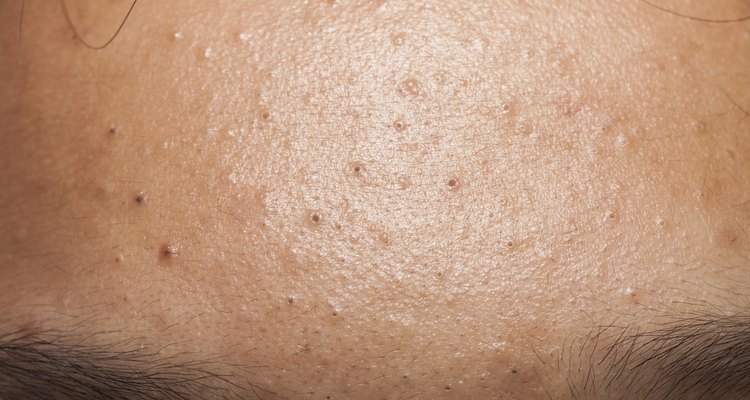
The American Academy of Dermatology indicates that one of the most significant contributors to acne is clogged pores in the skin. Pores can easily be clogged with sebum, the skin's natural lubricating oil, and dead skin cells, especially when sebum is produced in excessive amounts due to elevated hormone levels or another cause. Excessive sebum on the surface of the skin also provides a hospitable environment for bacteria, which can further irritate the skin, causing inflammation and the visible blemishes that most readily characterize acne. Unclogging pores, managing excess oil levels and soothing inflammation are all important steps in controlling acne.
Abrasive Skin Care
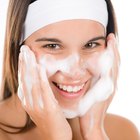
The use of skin care products like gently abrasive soaps or pumice stones is intended to exfoliate the skin, or scrub away dead and dying skin cells on the outermost layers. The skin is always engaging in a natural process of exfoliation, completely replacing the epidermis about every 28 days in middle-aged skin, in an invisible, gradual process. Accelerating the exfoliation process using mildly abrasive skin care products may be beneficial for problematic, dry, aging and acne-prone skin. Routine exfoliation may minimize acne breakouts, dislodge blackheads and help close enlarged pores. Speak to your dermatologist about the best type of exfoliator for your skin type.
History of Lava as Acne Treatment
Braun-Falco's book states that, while it is unclear when Lava Soap caught on as a solution for acne, its use for this purpose was well-known by the second half of the 20th century. It gained popularity among acne sufferers because it was an affordable and easy-to-obtain product for exfoliating facial skin, even though Lava Soap has never been marketed for this specific purpose. Instead, Lava Soap has always been marketed as a hand soap, designed for tough cleaning jobs like removing automotive grease. As the market for acne-specific skin care products developed, new and more gentle facial scrubs were introduced that were more appropriate for delicate facial skin. Braun-Falco suggests that while some acne sufferers may have observed improvement in their acne by using Lava Soap, its indelicate nature also poses the risk of further irritating aggravated acne cases.
Abrasion for Acne Scars
Abrasive skin care methods can also lessen the appearance of acne scars, though the most effective of such methods are microdermabrasion treatments administered by physicians, dermatologists or estheticians. These treatments typically involve a closed-air system through which small abrasive particles, which may include pumice, flow under air pressure and abrade specific sections of skin. In addition to soothing acne scars, this type of treatment can clean pores, open blackheads, even skin tones, reduce the appearance of stretch marks and soothe fine wrinkles. Lava Soap works on the same principle of manual exfoliation but is not considered effective for such goals as acne scar improvement.
Related Articles

How to Get Rid of All the Tiny Embedded ...

Benefits of Apricot Scrub

How to Clean Lapis Lazuli
How to Remove a Stuhrling Watch Band
Ingredients in Hand Soap
Callus From Pullups

Care Instructions for Voile Fabric

Difference Between Soap & Synthetic ...
Skin Brushes Vs. Scrubs
What Is Hand Salve?
How Do You Clean Barbour Jackets?
What Is Coal Tar Soap?

Remedies for Unblocking Stubborn ...

Importance of a Soap Detergent
Disadvantages of Pears Soap
How to Get Rid of Acne Dents

How to Shrink Pores With Proactiv
How Do I Clean Hush Puppies Shoes?
Acne Free vs. Proactiv

Cleansers for Rosacea That Unclog Pores
References
Photo Credits
ThamKC/iStock/Getty Images