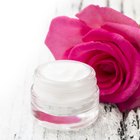
yacobchuk/iStock/Getty Images
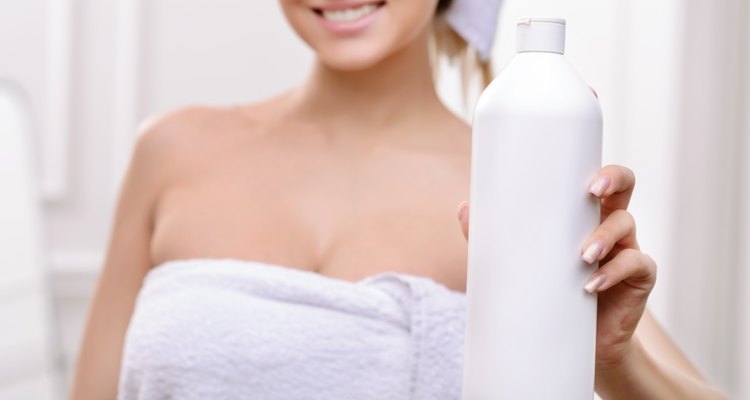
Neutrogena body oil is a light moisturizer designed for instant absorption into your skin and leaves your skin feeling soft and silky with a healthy, radiant glow. Neutrogena protects your skin and keeps it well-hydrated. It is formulated to not leave residue and does not leave a sticky feeling on your body. It is important to be familiar with the ingredients in the products you use on your body, particularly if you have a skin condition. Consult your doctor if you have irritations or reactions to any beauty product.
Sesame Seed Oil
According to Olinat online, sesame seed oil is an edible oil that is obtained from sesame seeds and is an antibacterial, antiviral and anti-inflammatory agent. Sesame oil has excellent moisturizing and soothing qualities and is also a great source of vitamins E and B complex as well as protein and minerals such as magnesium, phosphorus and calcium. It is quickly absorbed by the skin and is often used for treating skin problems.
Isopropyl myristate
Isopropyl myristate is the ester of isopropyl alcohol and myristic acid and is used in topical and cosmetic medicinal preparations where absorption through skin is a desirable quality in the end product. It makes Neutrogena Body Oil easily absorbent and rules out the possibility of sticky residue. The Committee to Evaluate Drugs (CED) has recommended that isopropyl myristate be listed as a general benefit on the Ontario Drug Benefit Formulary after testing it and deeming it safe. Isopropyl myristate is, however, known to cause irritation of eyes, skin and respiratory system.
PEG 40 Sorbitan Peroleate
According to the Cosmetic Safety Database, PEG 40 sorbitan peroleate is an emulsifying and wetting agent that can be used in cosmetics. The CSD states that PEG 40 is not safe for use on injured or damaged skin. However, PEG 40 is deemed safe for 100 percent concentration use in cosmetics by the Cosmetic Ingredient Review Expert Panel.
Propylparaben
Pubmed explains that propylparaben is a preservative commonly found in cosmetics such as shampoos and lotions. It allows the product to have a longer shelf life and is the ester of n-propyl alcohol and p-hydroxybenzoic acid. A high concentration has been observed to lead to skin irritation.
Butylated hydroxytoluene
According to the Science Encyclopedia organization online, butylated hydroxytoluene is primarily used as an antioxidant addition in cosmetic products such as Neutrogena, as well as pharmaceuticals and petroleum products. Some reports have suggest that butylated hydroxytoluene may cause damage to the liver and kidneys. However, it has been deemed safe enough for use in limited concentrations by the U.S. Food and Drug Administration.
Related Articles
Merle Norman Ingredients

The Ingredients of Neutrogena Sensitive ...

Palmolive Shampoo Ingredients
Dimethicone Hazards
What Is Eucerin Cream?
Skin Care Products That Contain ...
Nivea Q10 Moisturizer Vs. Aveeno ...
Ingredients in StriVectin SD
What Is Glycerine Used For?

Benefits of Shea Butter and Coconut Oil ...
The Best Facial Moisturizers for People ...
Ingredients in Maybelline Foundation

Can Proactiv Solution Cause Itchy Skin?

List of Retinoids
Rosebud Salve for Acne?

Coppertone Ingredients
Ingredients in Olay Total Effects

Cleansers for Rosacea That Unclog Pores

Inert Ingredients for Dove Shampoo
The Benefits of Castile Soap
References
Writer Bio
ShaeLee Chatterton began writing professionally in 2007. She has written articles for "Women's Health" magazine online and edited for LA Splash Magazine. She is a fitness nutrition coach through the National Exercise and Sports Trainer Association and is certified as a personal trainer by the American Council on Exercise. Chatterton earned a Bachelor of Arts in exercise science and communications at Boise State University.
Photo Credits
yacobchuk/iStock/Getty Images