Medioimages/Photodisc/Photodisc/Getty Images
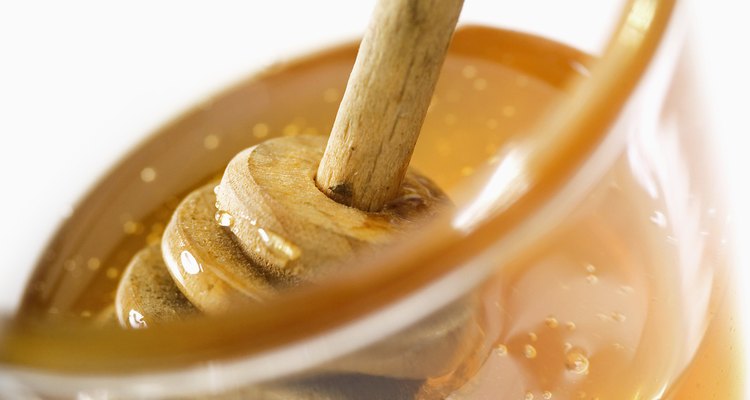
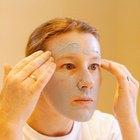
Healing honey facial masks have been used for centuries to promote healthy skin. Legend has it that Cleopatra herself took baths in milk and honey to keep her skin soft and supple. Honey exfoliating masks are used to remove dead cells and reveal the glowing new skin beneath. Used topically, honey alone is a mild to moderate exfoliating agent. Honey combined with other natural substances can create a natural and powerful exfoliating treatment for a wide variety of skin types and conditions.
Create an exfoliating mask for acne using yogurt and raw honey. Natural, unflavored yogurt contains weak acids, called lactic acids, that help skin shed dead cells and unclog pores. Mix four to five tablespoons of honey in one cup of lukewarm water. Add 1/2 cup of yogurt to the honey and mix thoroughly. Spread evenly over face and let sit for one hour. Cleanse thoroughly. If your face feels tight or dry, use a light moisturizer.
Mix raw honey with Aloe vera for a calming facial mask suitable for sensitive skin. Modern scientific researchers have rediscovered honey's power as an anti-inflammatory agent and an aid to wound healing. Honey alone can calm red or inflamed skin. Aloe vera is also known for its skin soothing properties. Together they can mildly exfoliate skin without causing irritation. Mix equal parts pure Aloe vera juice and honey. Apply the mixture to your face and let sit for one hour. Cleanse thoroughly.
Use cinnamon and honey to create an rejuvenating, and sweet smelling, facial mask. Cinnamon powder and cinnamon oil contain a substance called cinnamaldehyde that has anti-microbial and anti-bacterial properties. Bacteria can cause skin to look dull and can inhibit normal skin shedding. Deep anti-bacterial treatments can invigorate the look and feel of skin. Mix one to two teaspoons of cinnamon powder with one cup of honey. Add a small amount of warm water beforehand to liquefy the honey slightly. Spread over your face and let sit for 10 to 15 minutes. Wash thoroughly.
Soften and exfoliate dry skin with an aspirin and honey facial mask. Aspirin is also known as acetylsalicylic acid. This acid is used an ingredient in many commercial skin preparations as a softening agent. Dissolve one to two small, uncoated aspirin tablets in two tablespoons warm water. Mix one cup of honey with the aspirin. Spread the mixture on your skin and leave for one hour. Wash thoroughly to expose silky and glowing skin.
Related Articles

Can Any Home Remedies Get Rid of Acne ...
Turmeric, Lemon & Honey
How to Make a Thermoherb Mask at Home

How to Reduce Redness
Avocado Masks for All Skin Types
How to Make a Cinnamon Milk Face Mask
How to Remove Dry Skin on the Face
Yogurt, Oatmeal, Honey & Lemon Face Mask
How to Get Lighter Skin Without ...

Can Tri-Luma Be Used to Fade Acne Scars?
How to Use Kelp on Your Face to Tighten ...
Homemade Facials to Clear Blemishes

Honey Mask for Wrinkles
How to Make Body Scrub With Olive Oil & ...

How to Make an Oil-Free Facial Lotion

Yogurt Face Mask for Acne

How to make a homemade pimple cream
How to Make Creme With Alpha Hydroxy ...

Benefits of Shea Butter and Coconut Oil ...
How to Make a Banana, Honey & Yogurt ...
References
Writer Bio
Rebecca Sims is a librarian and educator, specializing in law, health sciences and education. She teaches classes in legal research, information technology, patient education, cataloging and digital asset management. Sims holds a Bachelor of Arts from the Academy of Art College and a Masters in library and information science.
Photo Credits
Medioimages/Photodisc/Photodisc/Getty Images