
The acid alkaline balance in your body is affected by its pH, or "pressure of hydrogen." To achieve a balance, between 70 and 80 percent of your food intake should be alkaline-forming. Most plant foods and fermented and cultured foods are alkaline. Acid-forming foods should take up the remaining 20 to 30 percent of your diet. Animal proteins, some grains and nuts, refined sugars and flours, coffee and tea all increase acidity within the body. Achieving balance within the body will make you feel better and may even reduce inflammation associated with acidosis conditions, according to nutritionist Linda Rector-Page.
Achieve Balance
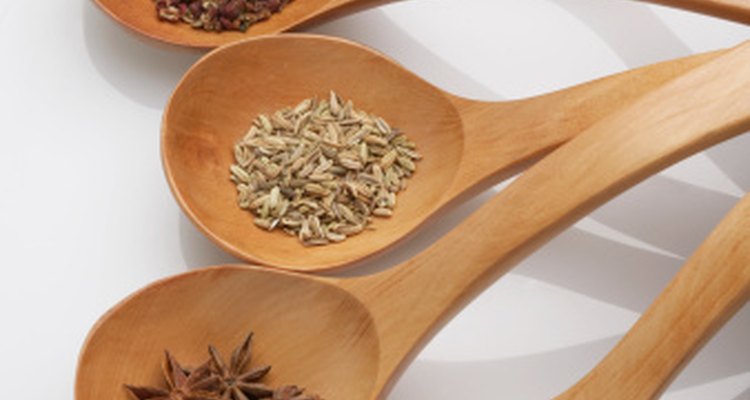
The following foods are alkaline forming: potatoes, most fresh vegetables, legumes, fruit, honey, fruit syrups, sprouts and seeds, herbs and spices, sauerkraut, capers, olives, yeast, soy sauce and herbal teas. These foods are neutral on the side of alkaline: milk, cultured milk and yogurt, soy milk, tofu, millet, buckwheat, amaranth, quinoa, egg yolks, butter, cold pressed oils, vinegar, sunflower seeds and pumpkin seeds. The following are neutral to slightly acid forming: spelt, sourdough bread, whole grain crackers, brown rice, sesame seeds, cashews, pistachios, almonds, hazelnuts, fresh cheeses, cottage cheese, sour milk products, beer and dry wine.
Acid-Forming Foods

Many of these foods are overconsumed in the average diet: meats, sausages, fish, shellfish, butter, egg whites, aged cheese, white flour, pasta, light breads, rice, corn, refined sugar, carbonated drinks, alcoholic beverages, coffee, black tea, chocolate and candy. The following are also acid forming: peanuts, walnuts, oatmeal, Brussels sprouts and artichokes. The nightshade vegetables, such as eggplants, tomatoes, potatoes, chilies and peppers should be avoided for those with inflammatory conditions such as arthritis.
Limit Junk to Remain Balanced and Happy

A person who consumes to many acid-forming foods tends to be grouchy, exhausted, and inclined to aches and pains and problems with sleeping, according to Patrick Holford, founder of the Institute For Optimum Nutrition. A more vegetarian based diet would suggest less physical problems. Daily reduction of sweets, fast foods, meats as a main dish, caffeine drinks and colas will make a huge difference in how you feel overall.
Osteoporosis Prevention
You can increase bone density and prevent osteoporosis by following a more alkaline diet. According to Martha Roden of "Delicious Living," the above mentioned acid foods, particularly meat, saturated fat and phosphoric acid, force the body to struggle to maintain an alkaline environment and use its stores of calcium, potassium, magnesium and sodium, resulting in weakened bones. Be sure to include plenty of leafy greens, onions, sweet potatoes, yams and celery and a variety of fruits and vegetables to provide bone-building micronutrients.
More Acid Information
Acidic fruits like lemons, oranges, pineapples, grapefruits and raspberries are not acidic within the body; they are alkaline-forming. For better digestion, eat these easily digestible fruits alone. In fact, fresh lemon juice and warm water first thing in the morning is cleansing and alkalizing.
In addition to acid forming foods, exercise also caused acidity within the body. Deep breathing makes the blood more alkaline, according to Holford.
Related Articles
High-Alkaline, Low-Acid Foods
What Vegetables Have Citric Acid?
Alkaline & Acidic Foods & Drinks
Food List for Wild Rose D-Tox

Menu for Acid Reflux

The Pitta Dosha Diet

What Foods Provide Calcium D-Glucarate?
Foods to Avoid to Prevent Gout
Yin Yang Foods List
How to Brine a Smoked Beef Brisket

Foods to Prevent Jaundice
Can You Change Skin Tone with Food?

Can Eating Healthy Food Change the ...
List of Gout Diet Foods
Symptoms of Food Poisoning With Oysters

Wild Rose D-Tox Rules

How to Control Sebum in Hair with ...

Natural Way to Detox Your System ...
Dangers of Spoiled Ground Beef
What Are the Benefits of Tea Tree Soap?
References
- "Cooking For Healthy Healing"; Linda Rector-Page:1991
- "The New Balanced Diet"; Dagmar Von Cramm: 2000
- "Staying Healthy with Nutrition"; Elson Haas; 2006
- "The New Optimum Nutrition Bible"; Patrick Holford; 2004
Writer Bio
Charlene Ryan began freelance writing in 2011. She is a certified fitness trainer and natural health consultant who works at her local YMCA. Ryan earned a Bachelor of Science in holistic nutrition from the Clayton College of Natural Health.
Photo Credits
Jupiterimages/Brand X Pictures/Getty Images