
The Cons of a Skate Park
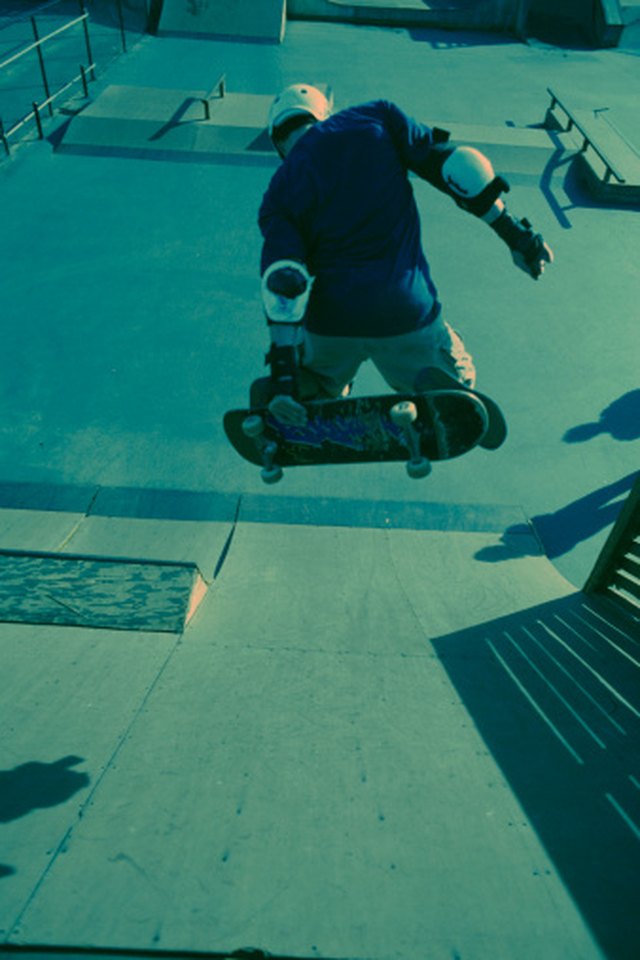
Skate parks can be valuable community assets. These recreation areas give kids a place to gather and participate in the hobby they enjoy. Unfortunately, the creation of a skate park comes with some negative consequences. From financial impact to health risks, skate parks come with a variety of disadvantages that can paint the parks in a negative light.
Cost to Build
According to Suburban Rails, a skate park can range in cost from $8,000 to $25,000 per 1,000 square feet. This means that some skate parks can cost hundreds of thousands of dollars to build, and in some cases, larger facilities run into the millions. Maintenance fees also hike the cost up. According to The Joplin Globe, these costs are deflected to citizens of the skate park's city through taxes.
Crime
Investigations by The Courier Mail and My Suburban Life have shown that skate parks are a haven for crime. This includes the selling and use of drugs, gang activity, vandalism and theft of equipment. Lighting and security is sometimes insufficient at skate parks, which makes the parks more conducive for this criminal activity.
Young Riders
Skaters for Public Skate Parks cautions that inexperienced riders are sometimes put in harm's way. Skate parks can be dominated by older riders, creating an unsatisfactory or dangerous environment for young skaters just starting the sport. Many older, skilled skaters want to practice tricks and jumps without having to wait for younger skaters. As a result, younger skaters may get pushed out of the way or be placed in danger when an older skater enters the park.
Injury
While Sk8parks International says a skate park will reduce the chance of a skating injury, there are still risks involved. At a skate park, skaters can be encouraged or persuaded to try tricks and jumps they are not ready for. This increases the chance of serious injury. Additionally, some riders fail to use the proper equipment or padding. Supervision is non-existent at some parks, opening the door to dangerous behavior. According the Sk8parks International, a study by the U.S. Consumer Product Safety Commission claims that 27,762 injuries occur for every 6.2 million skaters.
Crowds
According to Skaters for Public Skate Parks, crowded parks lead to skaters searching for other venues. While skaters enjoy socializing with others, at some point skate parks become overcrowded, which limits the enjoyability of the activity. When too many skaters are present at a skate park, skaters may be turned away, be forced to wait for long periods of time or be restricted to a small area in the park.
References
Writer Bio
Based in California, Scott Levin has served as a writer and copy editor since 2000. His articles have appeared in the "Chico News & Review," "Wildcat Illustrated," the "Chico Enterprise-Record" and on websites such as The Sports Informant. Levin earned his Bachelor of Arts in journalism from California State University, Chico.