What does fact checked mean?
At Healthfully, we strive to deliver objective content that is accurate and up-to-date. Our team periodically reviews articles in order to ensure content quality. The sources cited below consist of evidence from peer-reviewed journals, prominent medical organizations, academic associations, and government data.
The information contained on this site is for informational purposes only, and should not be used as a substitute for the advice of a professional health care provider. Please check with the appropriate physician regarding health questions and concerns. Although we strive to deliver accurate and up-to-date information, no guarantee to that effect is made.
Personal cleanliness and good hygiene practices are essential for health and social reasons 1. In fact, people who are perceived as smelly or unclean are often ostracized by others. To put your best foot forward, it's best to practice healthy hygiene habits daily. It is also important for parents to teach and model these skills to their children. Healthy personal hygiene habits instilled in childhood often follow children into adulthood.
Wash Those Hands
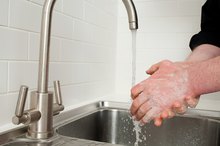
Frequent hand washing reduces the spread of germs, bacteria and food-borne illness. According to the U.S. Centers for Disease Control and Prevention, you should wet your hands with warm, running water. Rinse thoroughly and dry with a fresh paper towel or an air dryer. You should always wash your hands before handling or eating food; after trips to the restroom; after handling animals; before and after changing a diaper or handling a small child; after handling garbage or other dirty objects; before and after contact with a sick person; and after blowing your nose, sneezing or coughing.
- Frequent hand washing reduces the spread of germs, bacteria and food-borne illness.
- According to the U.S. Centers for Disease Control and Prevention, you should wet your hands with warm, running water.
Practice a Daily Bathing or Showering Regimen
Personal Hygiene Objectives
Learn More
Regular bathing reduces body odor and can help control skin problems like acne. It is important to bathe daily to reduce the bacteria that contribute to body odor, particularly in the armpits and on the feet. Personal preference and resources determine whether you should take a bath or shower, though if you are heavily soiled it is best to shower rather than wash with dirty bathwater. Wash your hair as frequently as needed based on your hair type. Dry yourself thoroughly after bathing to prevent bacteria growth.
- Regular bathing reduces body odor and can help control skin problems like acne.
- Personal preference and resources determine whether you should take a bath or shower, though if you are heavily soiled it is best to shower rather than wash with dirty bathwater.
Brush Up on Dental Care Basics
Proper oral hygiene is crucial in reducing and preventing problems of the mouth and gums like plaque, cavities, gingivitis, tartar and bad breath. Brush your teeth at least twice per day and floss once per day. Your dentist can assess problem areas in your mouth and recommend special methods or products you may need.
Build Good Grooming Habits
Good Personal Hygiene Practices & Procedures
Learn More
Grooming is the act of making yourself presentable to others. More advanced grooming practices may also include:
- hair styling
- makeup
- moisturizers
- manicures
- pedicures
- nail polish
- personal fragrance
- hair removal
- more
Clean Your Clothes and Your Home
A sanitary home environment and clean clothes are important aspects of overall personal cleanliness 1. Wash your clothes regularly to remove odors. Treat stains as soon as they occur, and iron when needed to remove wrinkles.
Keeping your home clean reduces bacteria, helps prevent insects and contributes to overall well-being. Housecleaning basics include properly disposing of garbage, washing dirty dishes, and cleaning floors regularly. Wash sheets and bedding at least twice a month.
- A sanitary home environment and clean clothes are important aspects of overall personal cleanliness 1.
- Housecleaning basics include properly disposing of garbage, washing dirty dishes, and cleaning floors regularly.
Related Articles
Personal Hygiene Objectives
Learn More
Good Personal Hygiene Practices & Procedures
Learn More
Home Remedy for Sweating Feet
Learn More
Types of Personal Hygiene
Learn More
A Hygiene Checklist for Children
Learn More
Smelly Feet in Children
Learn More

How to Sterilize Against Pinworm Eggs
Learn More
Why Is Personal Hygiene So Important?
Learn More
Definition of Personal Hygiene
Learn More
Personal Hygiene in Teenagers
Learn More
References
Writer Bio
Layne Wood began writing in 1990. Her work has appeared in publications by the Big South Undergraduate Research Symposium and Appalachian Writers Heritage Symposium. Wood specializes in articles on Appalachia, literature, dogs and relationships. She has a Bachelor of Science in English from Radford University.