How Does Albuterol Sulfate Work?
Indications
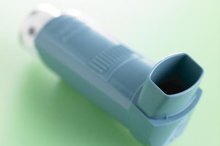
Albuterol sulfate is a medication used primarily to treat bronchospasm for patients with obstructive airway disease such as asthma. It is approved for patients 2 years of age and older, according to the National Institute of Health 2. Albuterol sulfate comes in several forms: aerosol, solution for nebulizer, syrup, and tablets, according to "Lippincott’s Nursing Drug Guide". Albuterol is most commonly recognized by people when it is used as an asthma rescue medication in its inhaler form.
Clinical trials indicate patients who receive inhaled albuterol sulfate to treat bronchospasm have improved respiratory function within 5 minutes (SeeReferences2). Albuterol sulfate is also used to prevent exercise induced bronchospasm; inhalation form of the medication is taken 15 minutes before exercise (SeeReferences1).
Oral albuterol sulfate has a 30 minute onset, whereas inhaled albuterol sulfate has a 5 minute onset (SeeReferences1). This is why inhaled albuterol sulfate is used during acute episodes of bronchospasm.
An unlabeled use of albuterol sulfate is in treating hyperkalemia in dialysis patients (SeeRefernces1). The exact mechanism of action is unclear however extracellular shunting of potassium is suspected (SeeReferences2).
- Albuterol sulfate is a medication used primarily to treat bronchospasm for patients with obstructive airway disease such as asthma.
- An unlabeled use of albuterol sulfate is in treating hyperkalemia in dialysis patients (SeeRefernces1).
Drug class and Therapeutic Actions
What is the Difference Between Albuterol & Pulmicort?
Learn More
Albuterol sulfate is a beta2-selective adrenergic agonist with sympathomimetic effects. Beta2 adrenergic receptors are nerve synapses that when stimulated release epinephrine. Adrenergic agonist medications stimulate these particular receptors, which are primarily found in bronchial (lung) smooth muscle. Another effect of beta2 adrenergic agonists is on the enzyme that converts adenosine triphosphate (ATP) to adenosine monophosphate (AMP) (SeeReferences2). ATP and AMP play a role in the body’s inflammatory response. Beta adrenergic agonists like albuterol sulfate interfere with this response, decreasing the body’s ability to react to allergens. This is important in helping to decrease inflammation in the respiratory tract; inflammation often accompanies bronchospasm with obstructive airway disease.
The effects of albuterol sulfate are dependent on the dose. Low doses cause bronchodilation and vasodilation in muscle, whereas higher doses have greater sympathomimetic effects such as tachycardia (rapid heart rate). A sympathomimetic drug is one that stimulates the sympathetic nervous system. Stimulation of this system causes rapid heart rate, dilated pupils, sweating and increased respiratory rate--symptoms similar to those experienced during fight or flight reactions.
The sympathomimetic effects of albuterol sulfate are important because some patients experience significant cardiovascular symptoms such as tachycardia, elevated blood pressure, and irregular heart rhythms after taking the medication. Other adverse effects include anxiety, restlessness, tremors and weakness.
- Albuterol sulfate is a beta2-selective adrenergic agonist with sympathomimetic effects.
- Adrenergic agonist medications stimulate these particular receptors, which are primarily found in bronchial (lung) smooth muscle.
Warnings
Albuterol sulfate should be taken as directed. Increasing dosages and frequency may lead to paradoxical bronchospasm which can be life threatening, according to the National Institute of Health 2. Serious cardiovascular side effects may also occur with excessive use. Some patients may experience cardiovascular effects under normal dosing regimens, particularly with first use of new inhalation canisters.
Asthma symptoms may not improve with use of albuterol sulfate. Patients should seek medical attention when more than prescribed doses of albuterol are needed, or when symptoms of bronchospasm and respiratory compromise persist following treatment.
- Albuterol sulfate should be taken as directed.
- Some patients may experience cardiovascular effects under normal dosing regimens, particularly with first use of new inhalation canisters.
Related Articles
What is the Difference Between Albuterol & Pulmicort?
Learn More

Antihistamines for Asthma
Learn More

Ingredients in an Asthma Inhaler
Learn More

List of Nebulizer Medications and Ingredients
Learn More

Side Effects of Nebulizer Use
Learn More

What are the Effects of Amyl Nitrate?
Learn More

Alternatives to Spiriva
Learn More

What Are the Effects of 10 mg of Valium?
Learn More

Dangers of Taking Phentermine
Learn More

Are There Side Effects When You Stop Taking Metoprolol?
Learn More
References
- Karch, A. M. (2008). 2008 Lippincott’s Nursing Drug Guide. New York: Lippincott Williams & Wilkins
- National Institute of Health
- Merck Manual Professional Version. Albuterol. Updated July 2019
- PROAIR HFA (albuterol sulfate). Highlights of prescribing information. Revised February 2019.
- Price, D.; Rigazio, A.; Buatti Small, M. et al. "Historical cohort study examining the comparative effectiveness of albuterol inhalers with and without integrated dose counter for patients with asthma or chronic obstructive pulmonary disease." J Asthma Allergy. 2016; 9:145-54. doi:10.2147/JAA.S111170.
Resources
Writer Bio
Patricia Nevins is a registered nurse with nearly 20 years of nursing experience. She obtained her Master of Science in nursing with a focus in education from the University of Phoenix. Nevins shares her passion for healthy living through her roles as educator, nursing consultant and writer.