Overview
You've probably heard loads of exercise advice over the years, some of it likely conflicting from various trainers, TV shows and gym buddies. To clear things up, we sought out top fitness experts to get their take. We asked them for game-changing tips and proven difference makers shown to keep your body safe while burning fat and building muscle. Here are their top 20 tips.
1. Trade Steady-State Cardio for Interval Training
The road to a leaner body isn't a long, slow march. It's bursts of high-intensity effort paired with slower, recovery efforts. Fifteen to 20 minutes of interval training performed like this can burn as many calories as an hour of traditional, steady-state cardio. And unlike the slow stuff, intervals can keep your body burning long after the workout ends.

2. Brace Your Core Before Every Exercise
Your core is much more than a six-pack of muscles hiding beneath your gut -- it's a system of muscles that wraps around your entire torso, stabilizing your body, protecting your spine from injury and keeping you upright. Fire these muscles before every exercise to keep your back healthy, steady your balance and maintain a rigid body position. You'll get the added bonus of isometric exercise for your middle, which could reveal the muscles in your core you'd like everyone to see.
Related: Why Crunches Won't Give You Flat Abs -- and the 12 Moves that Will!

3. Trade Machine Exercises for Free Weights
Machines are built with a specific path the weight has to travel -- one that wasn't designed for you. If you're too tall, too short or your arms or legs aren't the same length, that fixed path won't match your physiology, and you'll increase the likelihood of injury and develop weaknesses. Trade your machine exercises for dumbbells, barbells and medicine balls to build strength in ways more specific to your body, while also working all the smaller stabilizing muscles that machines miss.
Related: 10 Machine-to-Free-Weight Swaps
4. Tuck Your Shoulder Blades Down and Back
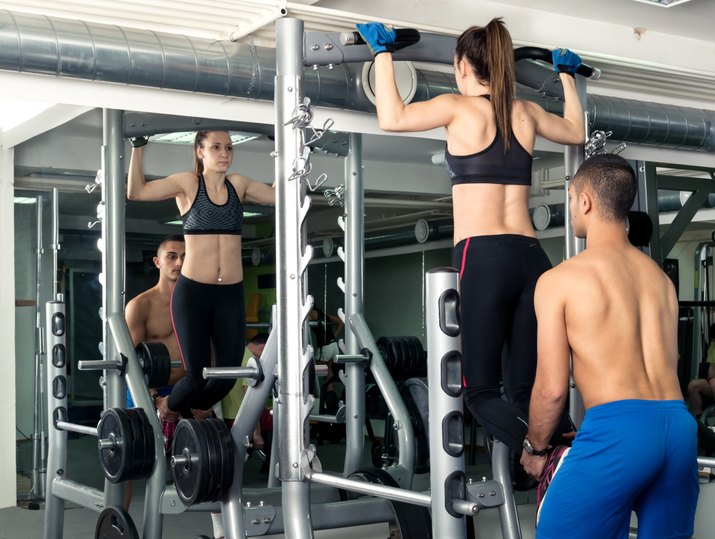
This tip is great for chin-ups, but it's more than that. By sliding your shoulder blades down and back before an exercise -- like you're tucking them into your back pockets -- can improve your results and protect from injury. It helps activate your lats for pulling exercises, work your pecs more completely in pushing exercises, keeps your chest up during a squat and can reduce painful impingement on your rotator cuff during biceps curls.
Related: 9 TRX Exercises to Sculpt an Insanely Strong Upper Body
5. Increase Your Range of Motion
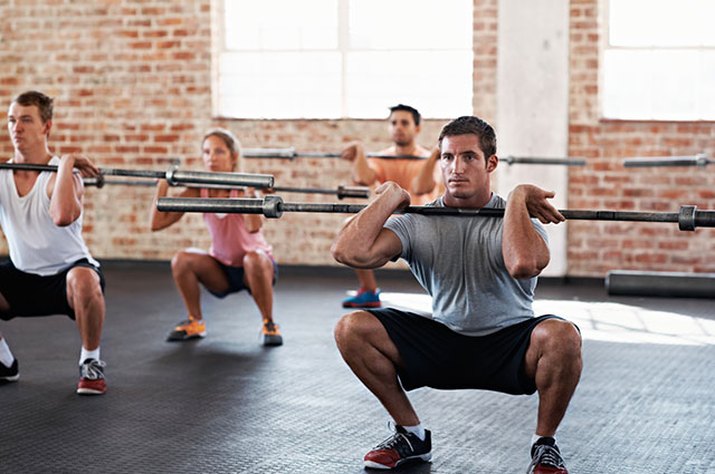
Add more work to each rep and increase the efficiency of your workout by increasing the range of motion -- the distance the main motion of the exercise travels to complete the rep. Squat deeper. Drop the weight until it's an inch or two above your chest. Raise the step for step-ups. Elevate your front or back foot on lunges. Get more from each move and your body will thank you.
Related: 10 Exercise Variations for Greater and Faster Results
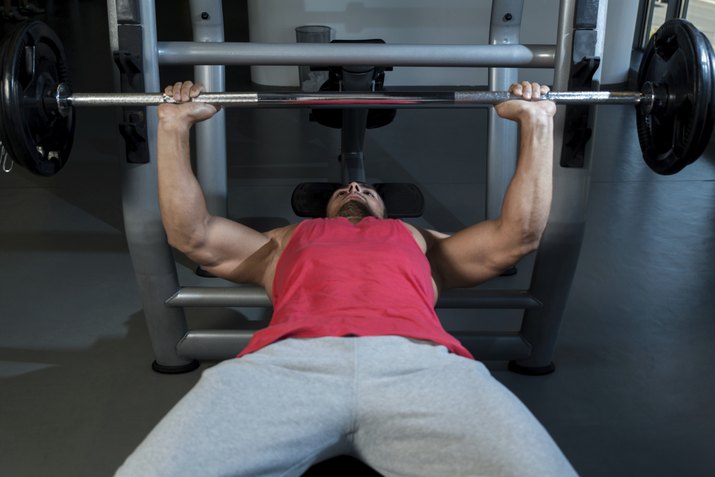
6. Explode Through Every Rep
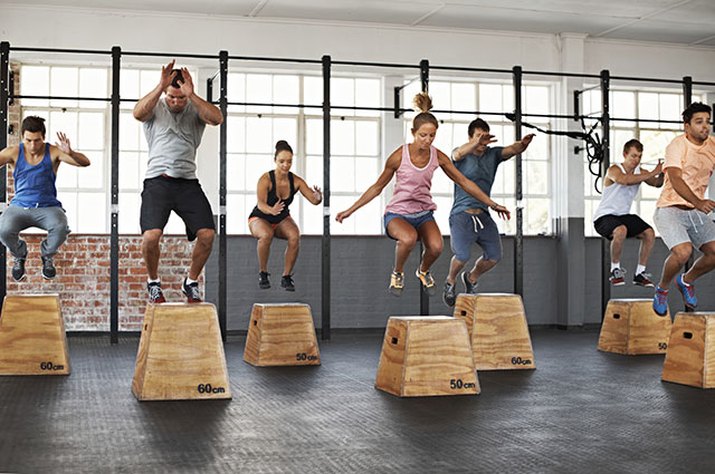
The "slow lifting" trend should be confined to the eccentric, or easier portion of any exercise. During the concentric portion, where you push, pull, press or jump, move the weight (or your body) as quickly as possible. Even if the weight doesn't move that fast, the intention of moving the weight quickly will turn on your fast-twitch muscle fibers, which will make your body more athletic and train it to use more fat as fuel.
Related: 11 Simple Ways to Add Variety to Your Strength-Training Routine
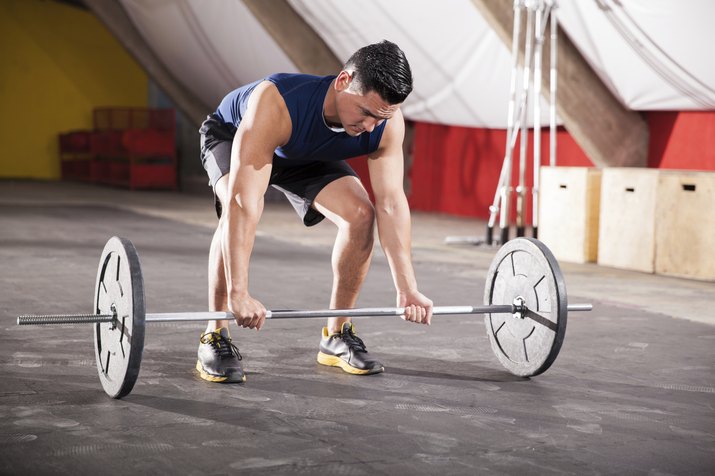
7. Use Multiple Joints With Every Move
Single-joint exercises like biceps curls and triceps extensions will build your muscles, but slowly. Unless you're a bodybuilder with hours to spend in the gym, get more done in less time. Trade these inefficient moves for exercises that work multiple muscles and joints: Squats will build your legs and back, a bent-over row will build your biceps and your back, and a narrow-grip bench press will train your triceps while it sculpts your chest
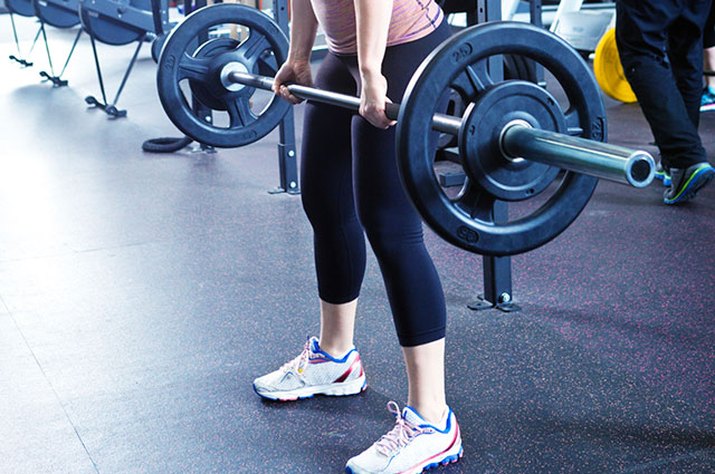
8. Mix Your Grip to Do More Reps
If your hands and forearms give out before your back or legs when doing deadlifts, chin ups, inverted rows or bent-over barbell rows, mix your grip. With one palm facing towards you and one facing away, grab the bar and do the exercise. For the next set, switch both hands. Keep alternating and you can rest your grip while working with the hand the opposite way, meaning your back and legs will determine when you're done with the set.
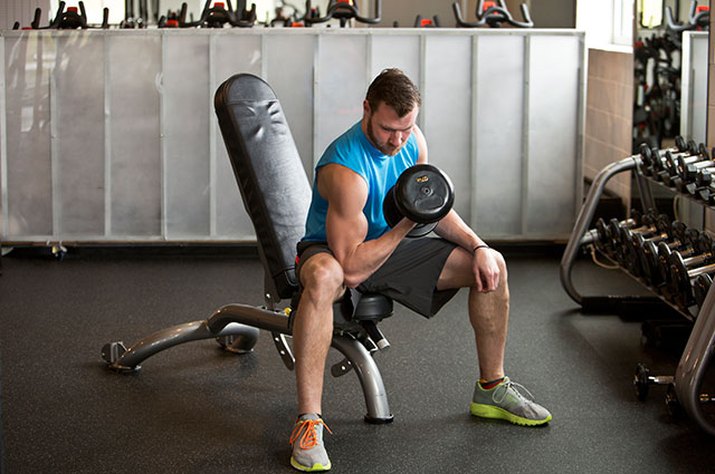
9. Load One Side to Work Your Core
Since your core stabilizes your body, creating instability means it has to work that much harder. That means you can work your abs without ever doing a crunch. Here's how: Load one side of your body. Hold a weight on one shoulder during a lunge, press just one dumbbell overhead during a shoulder press, or perform a standing, single-arm cable chest press.
Related: The 41 Toughest Ab Exercises
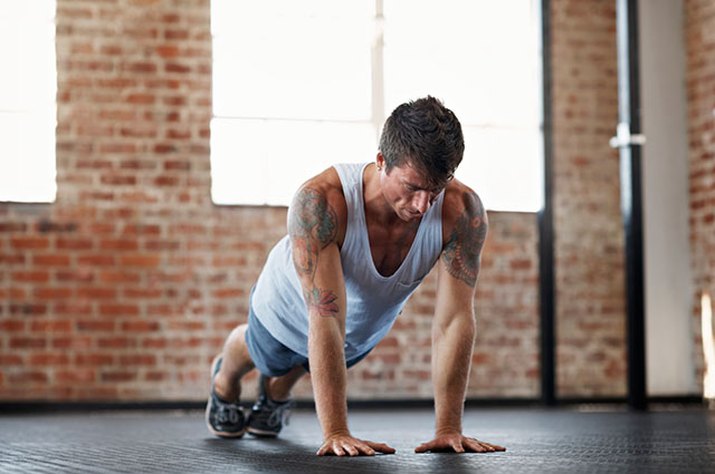
10. Do Push-Ups
The pushup is one of the world's greatest exercises, and doing it with proper form is as simple as this cue: Maintain a rigid body line from the top of your head to your heels throughout the push. With this in mind, you won't sag your hips, hump your back, or bubble up your butt. Keep your elbows tucked in towards your sides as you lower your body, and push back up, strong as steel from head to heels.
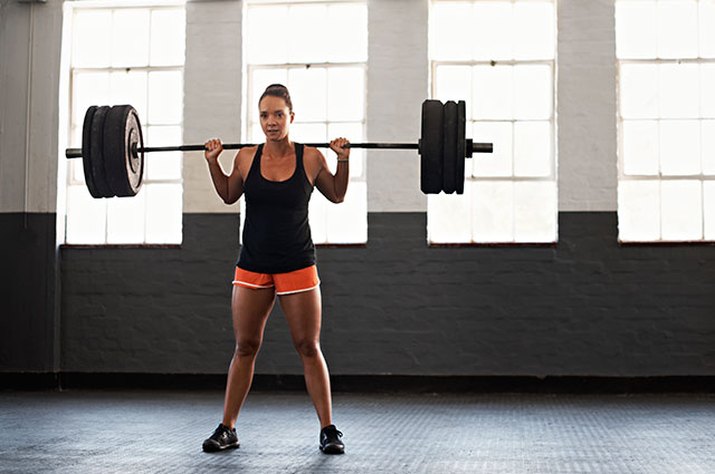
11. Lift Heavier Weights
Packing more weight on the bar won't make you "bulky." It will make you stronger and protect you from osteoporosis by increasing bone density. To get the greatest benefits, lift at least 60 to 70 percent of your one-rep maximum for each exercise. Instead of going for complicated calculations, choose a weight with which you can perform eight to 12 reps, with the last rep being a struggle but not impossible.
Related: 13 Benefits of Weightlifting That No One Tells You About
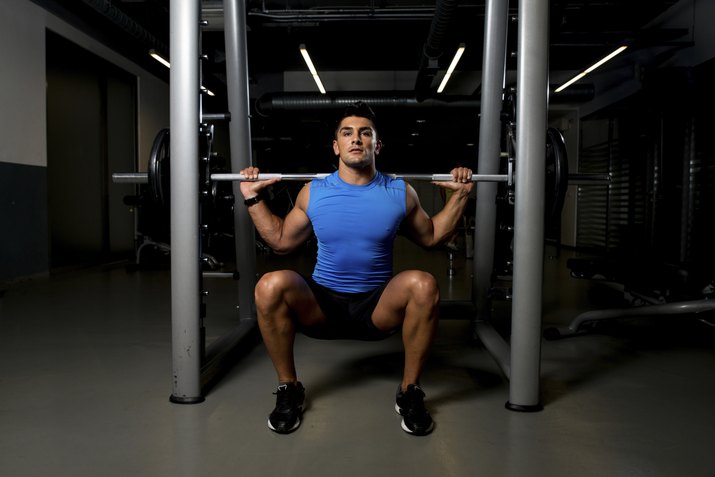
12. Master the Hip Hinge
When lowering your body into a squat or dead lift variation, exercise instructions often say to "hinge your hips back" to lower your body. To do this right, imagine that you need to open a door with your butt. This helps you activate the muscles in your lower body without rounding your back.
Related: The Top 15 Moves to Tone Your Glutes
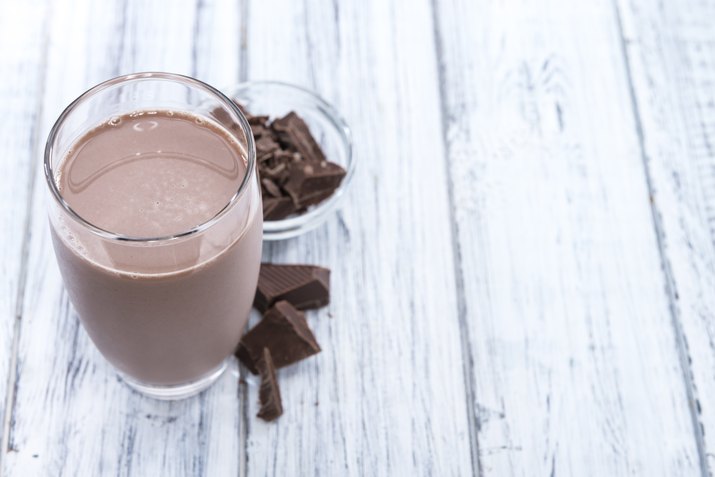
13. Drink Chocolate Milk After Your Workout
A post-workout mix of carbs, fat and protein will help your body build muscle, reduce soreness and recover faster so you can work out again sooner. If you are rushed for time or normally skip eating after your workout, a tall glass of chocolate milk has the ideal mix of nutrients you're looking for.
Related: 11 Easy Post-Workout Snacks and the Science of Why They Work
14. Lift, Then Run
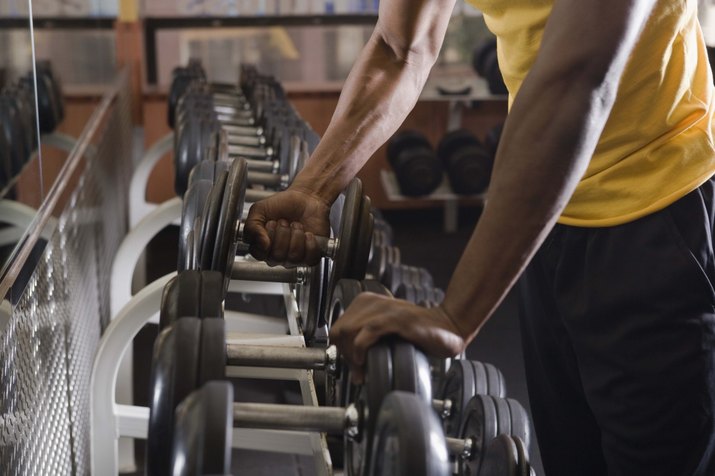
If you perform your strength training before your cardio work, you'll burn more fat while you pound the pavement. In a Japanese study, men who did the workout in this order burned twice as much fat as those who didn't lift at all.

15. Run Hills to Burn Fat Faster and Reduce Injury
More muscle means more results, and uphill running activates nine percent more muscle per stride than trotting at the same pace on level ground. It can also save your knees. Increasing the grade to just three percent can reduce the shock on your legs by up to 24 percent.
Related: 11 Myths About Running, Debunked
16. Don't Stretch; Warm Up
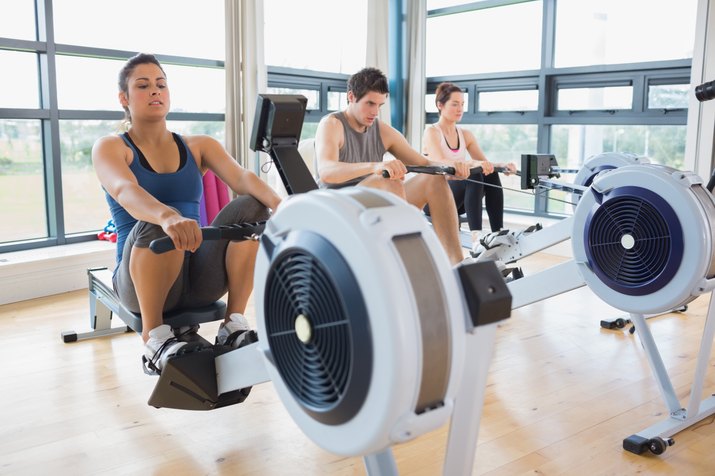
Static stretching done just before activity can reduce your power output and increase your risk of certain injuries. Instead, perform an active warmup that gets your body ready for exercise with exercise, increasing your heart rate, firing up your nervous system and getting your muscles used to moving. For an easy routine, perform a five-minute warmup of basic, body weight moves -- lateral slides, pushups, squats and lunges.
Related: 10 Dynamic Warm-Up Exercises to Prime You for Your Workout
17. Get Explosive to Add More Strength
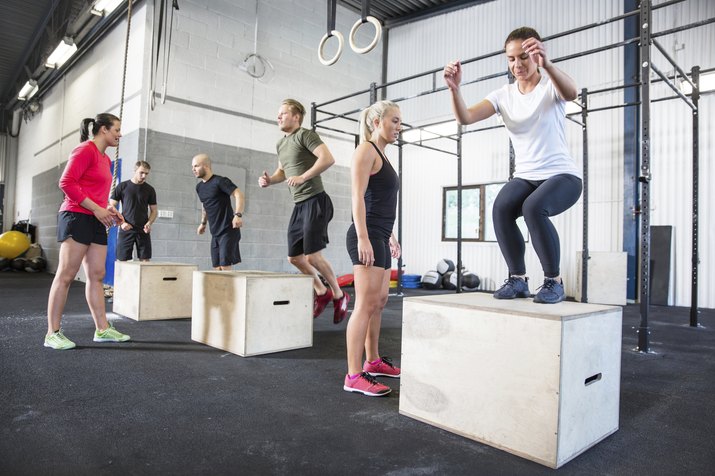
Explosive exercises involve flight -- your body leaving the ground (as in a jump) or the weight flying out of your hands, as in a bench press throw. These moves also increase strength significantly. In a study, men who included explosive chest exercises benched five percent more than those who performed a similar routine without the ballistic moves.
18. Write It Down
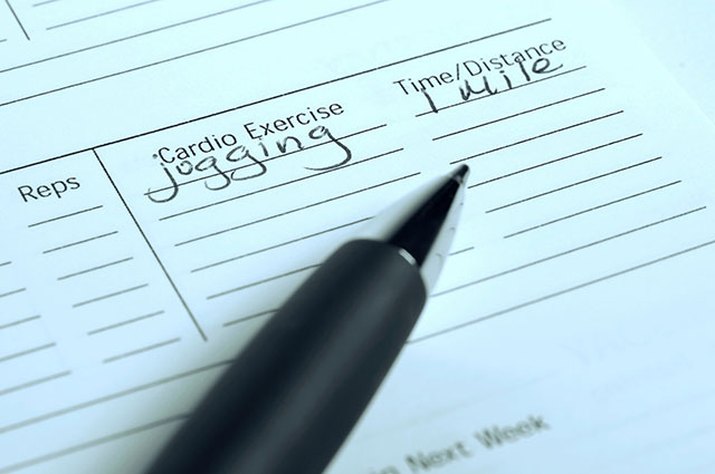
When it comes to increasing strength, you might hear the phrase "progressive resistance." This means "do more work as time goes on" -- lift heavier weights or do more reps of the same exercise to see results. Keep yourself on the path to success with a workout journal. Research shows that those who record their progress are more compliant and see better results than those who wing it.
Related: 10 Simple Fitness Tips That Work
19. Reduce Soreness With Active Recovery
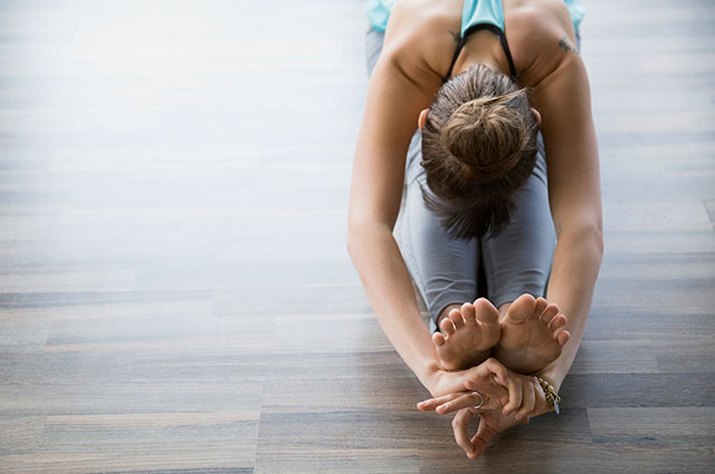
Bed rest is not the best prescription for sore muscles -- you'll actually reduce pain with a little activity. Metabolites in your sore areas that cause pain are dispersed and diffused by activity, and blood flow is increased to the muscle tissue, speeding recovery by up to 40 percent. Play a light game of basketball, perform some foam rolling or do a few simple rounds of calisthenics at home the day after a workout.

20. Take a Week Off
You can actually gain more strength and muscle by periodically and strategically dialing down your strength training routine. In a study, men who cut their training volume the last week of each month increased strength by 29 percent.
What Do YOU Think?
What's the best fitness advice you've ever gotten? Something that keeps you motivated? A tip you learned from a trainer? Advice you read in a magazine or online? Share your fitness wisdom in the comments section below, so the rest of the Livestrong community can benefit from it as well!
Video of the Day
Advertisement
Video of the Day