






























































Herpes is a viral infection that comes in two forms: herpes simplex virus type 1 and herpes simplex virus type 2. HSV-1 typically infects the lips, mouth, eyes or face. HSV-2 is generally but not always sexually-transmitted, and typically affects the mouth or genital areas. Symptoms vary according to the location of the infection resulting in multiple forms of treatment. Genital herpes, oral herpes and conjunctivitis commonly referred to as pinkeye, are all caused by forms of the herpes simplex virus.
Oral Medications
Although viral, herpes infections can be treated with an oral medication. When prescribed and taken early after symptoms appear, oral medications can be effective in reducing the duration of symptoms associated with the herpes virus, states the MayoClinic.com. Acyclovir, sold as Zovirax; famciclovir, sold as Famvir; and valacyclovir, sold as Valtrex, are all commonly prescribed oral medications for both the herpes simplex virus types 1 and 2, including the symptoms of conjunctivitis, or pinkeye. Should a patient experience any pain, they can take an over-the-counter pain medication such as acetaminophen or ibuprofen. These medications can be obtained without a prescription at most pharmacies and grocery stores.
Topical Treatments
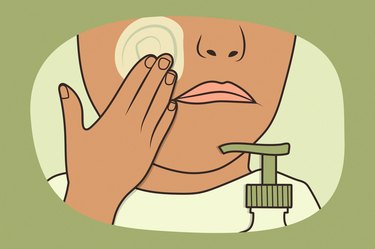
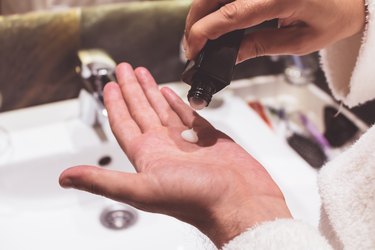
When the herpes simplex virus causes sores or blisters, the patient's physician may prescribe a topical treatment. Lidocaine can be prescribed to treat pain. Benzocaine can be prescribed to prevent further irritation to a cold or blister during the healing process. The dosage and frequency of applying these medications are determined by the treating physician.
Home Treatment
While the symptoms can be effectively treated, viral infections cannot be cured and must be allowed to clear up on their own. While an infection is healing, it is important to prevent causing further irritation and alleviate discomfort. According to the MayoClinic.com, patients with pinkeye may find comfort by placing a warm compress on the infected eyes. Patients can make a simple warm compress by saturating a clean, lint-free towel with warm water and wringing out the excess water before applying it to the affected area. A patient's doctor may recommend using over-the-counter eye drops to relieve irritation and prevent dryness associated with pinkeye. The MayoClinic.com indicates that patients who wear contact lenses should switch to glasses while treating pinkeye.


