Glycemic Index for Beans

Glycemic Index for Beans
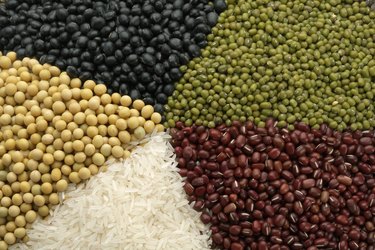
Photo Credit beans image by dinostock from Fotolia.com

Beans belong to the legume family along with peas, soybeans and lentils. They are classified with the meat and beans group, according to MyPyramid.gov. A half cup of cooked beans contains on average 95 to 150 calories, 0 to 2g of fat, 17 to 28g of carbohydrates, 5 to 9g of fiber, 7 to 9g of protein and 1.5 to 3mg of iron, in addition to being rich in phytonutrients and antioxidants.

Glycemic Index

The glycemic index, or GI, is a way to classify carbohydrate-containing foods according to their ability to raise blood sugar levels after eating. The GI values range between 0 and 100, the highest value referring to pure glucose. A GI value lower than 55 is considered low, between 56 and 69 is medium and above 70 is high. The higher the GI, the more quickly the carbohydrates are digested, broken down into sugar and released into the bloodstream. Low-GI carbohydrates are digested more gradually, which benefits your health by facilitating weight loss, stabilizing blood sugars and improving blood cholesterol.

Beans Glycemic Index

Beans have a glycemic index ranging between 10 and 50, which is considered low, according to the International table of glycemic index and glycemic load values published in 2002 in the American Journal of Clinical Nutrition. Baked beans canned and prepared with tomato sauce have a GI of 56, which is considered medium.

Beans also have a low to medium glycemic load, or GL--3 to 15 per serving. The GL refers to the carbohydrate content of a food multiplied by its GI and therefore reflects both the quantity and quality of the carbohydrates contained in a food. A GL below 10 is low, 11 to 19 is medium and above 20 is high.

Glycemic Index and Body Weight

Because low-glycemic index foods are digested more slowly, they lead to a longer feeling of satiety, which reduces hunger and cravings between meals. Kaye Foster-Powell reports in the American Journal of Clinical Nutrition that numerous short- and long-term studies revealed that low-glycemic index diets lead to greater weight loss and fat loss compared to high-glycemic index diets. In addition, Geoffrey Livesey in Proceedings of the Nutrition Society explains that even ad libitum studies--studies allowing subjects to eat as much as they wanted--are associated with a spontaneously reduced calorie intake and increased loss of body fat in the low-glycemic index food group. Including beans regularly in your diet can help you achieve and maintain your healthy weight more easily.

Beans and Diabetes

Choosing low glycemic index foods such as beans and legumes instead of high-GI choices like potatoes and rice reduces both the GI and the glycemic load of your diet, which decreases your risk of having type 2 diabetes, according to the Linus Pauling Institute from Oregon State University. Researcher John Sievenpiper in a meta-analysis published in the August 2009 issue of Diabetologia showed that the slowly digestible carbohydrates in beans reduce fasting blood-sugar levels, insulin levels as well as hemoglobin A1C, which represents long-term blood glucose control. Beans appear to not only be helpful in preventing type 2 diabetes but could also benefit people already diagnosed with diabetes by improving their control.

Beans and Cardiovascular Diseases

Consuming beans at least four times a week lowers the risk of coronary heart disease by as much as 21 percent in adults followed for a period of 19 years, compared to eating beans less than once a week, as reported in a review done by the Linus Pauling Institute. The benefits of beans on heart health is probably due in part to their high soluble-fiber content which is associated with reductions in total and LDL cholesterol levels. Moreover, because high-glycemic load diets lead to a higher risk of developing cardiovascular disease, including beans in your diet further promotes heart health by reducing the dietary glycemic load.

References

Article reviewed by Eric Lochridge Last updated on: Jul 26, 2010

Must see: Photo Galleries