























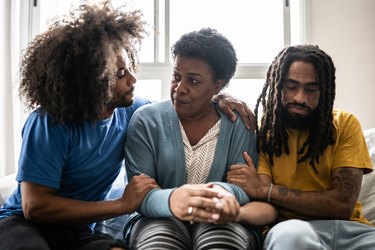































According to experts at the Mayo Clinic, the discovery and aftermath of marital infidelity can cause shock, grief, and even depression in one or both partners. All relationships are unique and, as a result, experiences and outcomes of infidelity will vary. Psychologists at the Mayo Clinic suggest, however, that infidelity does not always result in the end of a marriage, and couples should take time to work through their feelings before taking any action to end the relationship.
Definition of Infidelity
Infidelity in a marriage or monogamous relationship can be whatever an individual couple considers inappropriate or unacceptable behavior in the marriage. According to the Mayo Clinic, infidelity can include emotional relationships outside the marriage, physical intimacy with another partner outside the marriage, or, in some cases, inappropriate relationships in online forums. It is important that married couples share a clear understanding about what they both consider unacceptable or unfaithful behavior.
Coping After Discovery of Infidelity
The discovery of an affair can illicit a wide range of very strong emotions, including shock, anger and a sense of trauma. It's important for spouses to take time apart and not discuss the situation when they are in a state of shock. Seeking support from a spiritual leader or counselor can give couples an outlet for these extremely strong emotions.
Repairing a Marriage After Infidelity
Some marriages can survive an infidelity and even emerge with a stronger connection between the partners, according to the Mayo Clinic. One key factor in the repair of a marriage is the end of any contact with the affair partner. The spouse who was unfaithful must proceed with an honest intention to repair the damage the affair caused, starting with ending all contact with the affair partner. Both spouses must share a goal of reconciliation and be prepared to rebuild trust in the relationship.
Support for Couples
According to the American Association for Marriage and Family Therapists, couples counseling can be an invaluable source of support for couples after an affair. A professional therapist can provide an unbiased perspective on the marriage and provide helpful tools for working through the anger and guilt the infidelity caused. Couples can set goals regarding the relationship, and a therapist can help identify keys issues they might need to resolve. Couples therapy also can be a safe, supportive place to communicate about issues that cause strong feelings.
Expert Insight
According to the Mayo Clinic, the shock and strong emotions caused by infidelity can often be overpowering to couples. Time usually is the most critical aspect in the recovery. Couples should be careful not to rush toward either divorce or reconciliation too rapidly, because it is unlikely they will make a rational, well-informed decision when emotions are high due to shock and grief.


Member Comments