How to Get Rid of Ticks That Have Burrowed Under the Skin
Among the many nasty little critters that outdoor enthusiasts may encounter is the tick, a tiny parasitic insect that feeds off an animal’s fresh blood supply. A tick bites a host animal, then burrows its head under the skin. While the bite isn’t painful and can go relatively unnoticed by the host organism, the tick can contain harmful bacteria that can cause subsequent maladies. Proper removal of the tick is key in preventing the release of this bacteria.
If you are experiencing serious medical symptoms, seek emergency treatment immediately.
Locate the tick on the skin and note if its head is completely buried under the skin or is still visible on the surface. Use the magnifying glass if necessary. If the head is buried, use cotton swabs to apply insect repellent directly to the body of the insect. Wait 15 minutes, as the repellent will cause the tick eventually to release its bite. Proceed to the next step.
How to Get an Embedded Tick Out
Learn More
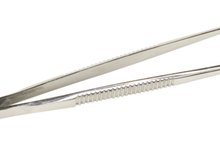
Use the tweezers to grip the tick as close to the skin as possible. Again, use the magnifying glass if needed. Once you have gained a grip, slowly and firmly pull on the tweezers to detach the tick from the skin. Do not twist 1. If you’re not using tweezers, use a thin cloth or toilet paper to pull on the tick to prevent contact with bacteria.
Dispose of the insect. Check the bite site to ensure that no portion of the tick's body remains. If anything does remain, gently scrape it away, then use the antiseptic to clean the site.
Warnings
Do not use fire, gas, petroleum jellies, or other flammable chemicals to induce the tick to release its bite. In addition to being possibly dangerous to the skin, these agents cause the tick to release its digested content back into the wound and increase the likelihood of infection.
Related Articles
How to Get an Embedded Tick Out
Learn More

How to Remove a Tick in a Navel
Learn More
How to Remove Seed Ticks From Humans
Learn More
How to Remove Dermabond From Skin
Learn More
How to Remove Ticks From Children's Ears
Learn More
How to Remove a Tick With Oil
Learn More
Chiggers Vs. Tick
Learn More
How to Lance a Wound
Learn More
How to Treat Ingrown Hairs on the Scalp
Learn More

How to Remove Splinters That Won't Surface
Learn More
References
- How To on Removing Ticks
- Centers for Disease Control and Prevention (CDC). Lyme Disease. CDC.gov.
- Centers for Disease Control and Prevention (CDC) staff. Tick Borne Diseases of the United States. CDC.gov.
- Centers for Disease Control and Prevention (CDC) staff. Overview of Tickborne Diseases. CDC.gov.
- Johns Hopkins Medicine, Rheumatology staff. What to do After a Tick Bite. Johns Hopkinsrheumatology.org.
- Mayo Clinic staff. Patient Care and Health Info. Tick Bites: First Aid. Mayo Clinic.org.
- Ostfeld, R. (2018) 8 Facts About the Ecology of Lyme. The Cary Institute of Ecosystem Studies. Caryinstitute.org.
- Zecken de Das Infoportal. About Ticks. Zecken.de.
Warnings
- Do not use fire, gas, petroleum jellies, or other flammable chemicals to induce the tick to release its bite. In addition to being possibly dangerous to the skin, these agents cause the tick to release its digested content back into the wound and increase the likelihood of infection.