How to Use Cornstarch to Relieve an Itchy Skin Rash
A dry, itchy rash can last for days or weeks depending on the size of the affected area. The distraction caused by an itchy skin rash makes it difficult to complete simply daily tasks and makes sleeping almost impossible. Reduce the effects of a skin rash using household items such as cornstarch and baking soda. Carry cornstarch with you on camping and hiking trips in case you develop a rash when away from home.
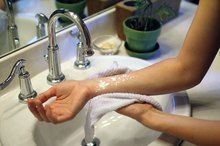
Inspect and clean the affected area with warm water. Pat dry with a soft cloth. Wait until the area is completely dry before applying cornstarch.
How Do I Change a 5-Year-Old's Diaper?
Learn More
Mix 1/4 cup cornstarch and 3 tbsp. of water to make a paste. Cover the rash with the paste and allow it to dry on your skin. Rinse off the paste with warm water. Repeat as necessary until the rash heals.
Add 1/2 cup of cornstarch and 1/2 cup of baking soda to warm bath water. Soak in the bathtub for at least 30 minutes once per day to reduce itchiness on larger areas of the body.
Tips
Also use cornstarch to relieve sunburn or to starch clothing.
Warnings
Seek medical attention if your skin rash worsens or does not clear up within a week as you may need medication.
Related Articles

How Do I Change a 5-Year-Old's Diaper?
Learn More

Can Milk Thistle Cause Skin Rashes?
Learn More

Calories in a Slice of Whole-Grain Bread
Learn More
Ketoconazole Cream Uses
Learn More

How to Get Rid of Welts
Learn More
How to Use Corn Starch for Skin Rash
Learn More

How to Get Rid of Heat Rash Scars
Learn More

How to Get Rid of an Allergic Reaction Rash
Learn More
What Can You Put on a Skin Rash if Allergic to Hydrocortisone?
Learn More

Itchiness Behind the Ears
Learn More
References
Tips
- Also use cornstarch to relieve sunburn or to starch clothing.
Warnings
- Seek medical attention if your skin rash worsens or does not clear up within a week as you may need medication.
Writer Bio
Based in the Washington metro area, Jessica Jones has been a freelance writer since 2006, specializing in business topics. Her fiction has also been featured in publications such as "The Jamaican Observer Sunday Literary Supplement" and at websites including HackWriters. Jones earned a Master of Fine Arts in fiction writing from Lesley University.