Pain Relief for Wisdom Teeth Removal
Having your wisdom teeth removed is a common procedure, but some risks are involved. These risks include pain, temporary swelling and bruising and some less common complications. Pain relief for wisdom teeth removal is best managed by following your dentist’s instructions, which may include over-the-counter or prescription medication, comfort measures and ways to avoid preventable painful complications.
Over-the-Counter Medications
Simple extractions are performed for wisdom teeth that are not completely buried under gum or bone tissue, are positioned relatively straight compared to the other teeth and are easy for the dentist to loosen and remove. Simple extractions involve a minimal amount of trauma to remove the tooth, so postoperative pain can often be managed with over-the-counter pain medications. Nonsteriodal antiinflammatory drugs such as ibuprofen (Motrin, Advil) or naproxen (Aleve) are typically recommended for relief of mild or moderate pain. These medications have the combined benefits of relieving pain and reducing inflammation. If you have a health condition that prevents you from taking NSAIDs, your dentist or oral surgeon may recommend acetaminophen (Tylenol) or a prescription medication.
- Simple extractions are performed for wisdom teeth that are not completely buried under gum or bone tissue, are positioned relatively straight compared to the other teeth and are easy for the dentist to loosen and remove.
- Simple extractions involve a minimal amount of trauma to remove the tooth, so postoperative pain can often be managed with over-the-counter pain medications.
Prescription Pain Relievers
Dental Bridge Complications
Learn More
When wisdom teeth are difficult to loosen and remove, a surgical extraction may be performed. In these cases, postoperative pain can be more prominent and bruising or swelling may occur. Over-the-counter pain medications may not be adequate, so prescription-strength medications are often recommended. For moderate to severe pain, commonly prescribed pain relievers include prescription-strength ibuprofen (Motrin) and combination medications, such as codeine and acetominophen (Tylenol No. 3), hydrocodone and acetaminophen (Vicodin) and oxycodone and acetaminophen (Percocet). When taking these or any pain medications, it is important to follow specific dosage and safety instructions.
- When wisdom teeth are difficult to loosen and remove, a surgical extraction may be performed.
- Over-the-counter pain medications may not be adequate, so prescription-strength medications are often recommended.
Comfort Measures
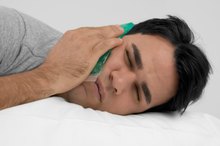
It is normal to have some discomfort or pain after having wisdom teeth removed. Avoiding alcohol, hot liquids and spicy foods and eating a soft diet in the days following the procedure can make the healing process more comfortable. Using warm salt water as a gentle mouth rinse for 24 to 48 hours after the procedure can have a soothing effect. Icing a swollen area at home can also help reduce swelling and pain. Place an ice pack wrapped in a thin cloth or towel on the swollen area for up to 15 minutes at a time.
- It is normal to have some discomfort or pain after having wisdom teeth removed.
- Avoiding alcohol, hot liquids and spicy foods and eating a soft diet in the days following the procedure can make the healing process more comfortable.
Considerations
Complications of ORIF Ankle Surgery
Learn More
Some postoperative complications can lead to an unexpected increase in pain. Pain that increases 2 to 4 days after the procedure may indicate the development of a complication 1. Pain relief for these complications can include prescription pain medications and specific additional treatment. For example, antibiotics would be used to treat an infection or a special medicated dressing would be used for a complication known as dry socket. Before taking any medication, make sure your dentist or oral surgeon is aware of any medical conditions you have. Pregnancy, gastrointestinal problems, liver or kidney disease, high blood pressure or drug allergies are a few examples of conditions to pay special attention to before taking any new pain medication.
- Some postoperative complications can lead to an unexpected increase in pain.
- Pregnancy, gastrointestinal problems, liver or kidney disease, high blood pressure or drug allergies are a few examples of conditions to pay special attention to before taking any new pain medication.
Related Articles
Dental Bridge Complications
Learn More
Complications of ORIF Ankle Surgery
Learn More

What is Sandblasting for Teeth?
Learn More
Dental Extraction Side Effects
Learn More

Can I Exercise After I Get Treated for Dry Socket?
Learn More
Alternatives for Root Canals
Learn More

Pros & Cons of Lumbar Spinal Fusion
Learn More
How to Rinse With Salt Water After a Tooth Extraction
Learn More
Toothaches and High Altitudes
Learn More
How to Use Peroxide in My Waterpik
Learn More
References
- Journal of Contemporary Dental Practice: Pain Levels After Third Molar Surgical Removal -- An Evaluation of Predictive Variables
- Journal of the American Dental Association: The Influence of Cryotherapy on Reduction of Swelling, Pain and Trismus After Third-Molar Extraction -- A Preliminary Study
- Cochrane Database of Systematic Reviews: Local Interventions for the Management of Alveolar Osteitis (Dry Socket)
- Johns Hopkins Medicine. Wisdom Teeth Extraction.
- Cleveland Clinic. Wisdom Teeth Management. July 2018.
- American Association of Oral and Maxillofacial Surgeons. Wisdom Teeth Management.
- U.S. National Library of Medicine. Impacted tooth. MedlinePlus.
- American Dental Association. Nitrous Oxide.
- American Association of Oral and Maxillofacial Surgeons. Types of Anesthesia.
- Johns Hopkins Medicine. Wisdom Teeth Extraction.
- American Dental Association. Tooth Extraction. 2013.
- Institute for Quality and Efficiency in Health Care. Should You Have Your Wisdom Teeth Removed?
- Soltani R, Haghighat A, Fanaei M, Asghari G. Evaluation of the Effect of Green Tea Extract on the Prevention of Gingival Bleeding after Posterior Mandibular Teeth Extraction: A Randomized Controlled Trial. Evidence-Based Complementary and Alternative Medicine. 2014;2014:1-4. doi:10.1155/2014/857651
- National Institute of Dental and Craniofacial Research. Opioids & Dental Pain.
- Akinbami BO, Godspower T. Dry Socket: Incidence, Clinical Features, and Predisposing Factors. International Journal of Dentistry. 2014; 2014: 796102. doi:10.1155/2014/796102
- American Dental Association. Extractions—Having a Tooth Removed.
Resources
Writer Bio
Dr. Abisogun holds a Bachelor of Science degree in neuroscience from the College of William and Mary and earned her Doctor of Dental Surgery degree from Columbia University. Her articles aim to promote oral health and overall health.