
Many of us have been told that when we're sick, we should "starve" a fever. Although you've likely heard this old wives' tale once or twice, it's all fiction, according to Harvard Health Publishing.
Your appetite might be nonexistent, but when you have a fever, you're actually burning more calories than you normally would because of the added strain on your body. Plus, when you're fighting off an infection, your body needs nutrients and energy to bolster your immune system. In other words, you must muster the strength to eat.
Video of the Day
Video of the Day
Below, we share seven foods that could help — and three that can halt — your healing process. You don't have to eat more than you normally do — just make sure to include the nutritious foods below for faster healing.
Tip
Because your body burns more calories when you're running a fever, it requires more calories (aka energy) to fight off the virus, according to NorthShore University HealthSystem. If you don't have much of an appetite, focus on staying hydrated with nutritious options like chicken soup or smoothies made with fruits and veggies.
1. Greek Yogurt
If you can tolerate dairy, "yogurt — and other fermented foods like sauerkraut — are good sources of probiotics, which can enhance your gut microbiome and help you heal," says Pauline Jose, MD, a clinical instructor at UCLA and family medicine specialist at pH Labs, a national nonprofit health information organization.
When the friendly kind of flora flourishes in your gut, your immune system hums along healthily. That's because your gut — and its good bacteria, which destroy other harmful microbes — is your first line of defense against colds and flu, says Frances Largeman-Roth, RDN, an NYC-based dietitian and author of Smoothies & Juices: Prevention Healing Kitchen: 100+ Delicious Recipes for Optimal Wellness.
In addition to its probiotic power, "Greek yogurt is also an incredible source of protein, so even if you don't have much of an appetite, you'll still get a lot of nutrients with a small amount," Largeman-Roth says.


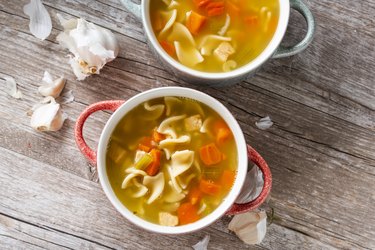
2. Chicken Soup
"A staple food for anyone who has a fever, chicken soup clears our nasal passages (by thinning mucous) when we have congestion, helps us keep warm when we have the shivers and offers some amino acids that help fight the flu," Dr. Jose says.
Easy to digest, this satiating soup is also "a good source of protein, which we need to build up our bodies when we have a fever," and provides necessary hydration, she says.
Plus, a warm cup of chicken soup is the ultimate comfort food, as hot soup can help soothe a sore throat, Largeman-Roth adds.
3. Coconut Water
To keep your body performing at its prime, you need to stay hydrated. Filling up on fluids helps modulate your body temperature, inhibits infection and transports necessary nutrients to your cells, according to Harvard Health Publishing.
This is especially important if you're feverish and losing water through perspiration. A phenomenal hydrator, coconut water helps replenish the vital fluids and essential electrolytes you squander as a result of sweating or diarrhea, per the Mayo Clinic.
Plus, unlike plain old H2O, it's rich in potassium, which your muscles and nerves need to function properly and your body requires to regulate your heartbeat, Largeman-Roth says.
Just be sure you choose a brand that's 100 percent coconut water without any added sugars or flavors.
4. Fruits
When you have a fever, fruits are your friend. "Most fruits contain at least 80 percent water, so they are wonderful for rehydrating, plus many contain a significant amount of vitamin C, which is essential for immune response, as well as cell repair," Largeman-Roth says.
Dr. Jose agrees: "Oranges and other vitamin-C-rich citrus fruits help support the immune system to get rid of any infections causing your fever."
But keep in mind that some fruits, especially those with seeds and skin, have lots of fiber and may be hard to digest when you have a fever (because your digestive system probably isn't in its best shape), she says. Stomach-friendly bananas and avocados are good options as they're less likely to cause any gastrointestinal discomfort.
Best Fruits to Eat When You're Sick
- Citrus
- Apples
- Bananas
- Avocados
5. Cooked Vegetables
Like fruits, veggies supply a surplus of vital vitamins and much-needed minerals that can support the immune system and help you get rid of a fever, Dr. Jose says. Specifically, she recommends vegetables like carrots, onions and celery, which you can toss into a pot of homemade chicken soup.
Just don't devour a platter of crudité. Raw veggies are filled with fiber, which may cause gas and bloating, so stick with cooked varieties that are easier to digest, Dr. Jose says.
6. High-Protein Foods
When it comes to infection-fighting nutrients, protein is at the top of the list. That's because your body needs protein to develop antibodies, which help protect you from invading pathogens, Robert Segal, MD, founder of Medical Offices of Manhattan, tells LIVESTRONG.com.
Largeman-Roth agrees: "Protein-rich foods like beans, nuts, lean meat and poultry contain the minerals selenium and zinc, which are vital for a healthy immune system," she says. Eggs — which also contain vitamin D (a micronutrient essential for immune function) — are another abundant source of protein.
"While you may not feel like eating an entire chicken breast or salmon filet when you're sick, having some diced chicken or beans in a broth-based soup is a great way to make sure you're getting enough protein," Largeman-Roth says.
Related Reading
7. Garlic and Ginger
Surprisingly, your spice rack may house a number of natural fever remedies and immunity helpers.
Garlic, for example, contains allicin, which is an antibacterial compound that can help reduce inflammation and possibly fight a fever, Dr. Jose says.
But if you're not into the idea of gobbling down raw garlic, you have options. Aged garlic extract may also enhance your immune cell function and, consequently, temper a cold's symptoms, according to a June 2012 study in Clinical Nutrition.
Ginger is another spice that can support the immune system. "Gingerol, its active compound, has medicinal properties that aid with inflammation, nausea and vomiting, among other symptoms," Dr. Jose says, adding that it can be boiled into a broth and incorporated into food or tea.
Plus, the powerful plant possesses antimicrobial activities and can kill pesky pathogens like bacteria, per a June 2017 article in the International Journal of Molecular Science.
Related Reading
Foods to Avoid When You Have a Fever
If you're burning up with a fever, beware of the following foods that might restrict your recovery.
1. Alcohol, Soda and Caffeinated Drinks
Steer clear of these beverages, as they can cause dehydration, Dr. Jose says. Remember, your body needs plenty of hydrating fluids to fight off an infection.
Black tea — which contains powerful antioxidants — is a better option while you're recovering, says Largeman-Roth.
2. Sugary Foods and Beverages
Sugar, especially the processed stuff, causes inflammation in the body and can interfere with your immune system's response, Largeman-Roth says. When you're sick, try to limit:
- Cakes, cookies and other pastries
- Candy
- Sugary cereals
- Ice cream
- Soda
3. Processed Meats
"Meats that are tough or in casings, like hot dogs, will be hard to digest," Dr. Jose says. You don't want to waste precious energy that your body needs to heal on breaking down a breakfast sausage (or the resulting bellyache).
When you're sick, try to avoid:
- Hot dogs and sausages
- Bacon
- Deli meats



- Harvard Health Publishing: "10 Flu Myths"
- Mayo Clinic: “What is coconut water and what's behind the hype?”
- Harvard Health Publishing: "The importance of staying hydrated"
- Clinical Nutrition: "Supplementation with aged garlic extract improves both NK and γδ-T cell function and reduces the severity of cold and flu symptoms: A randomized, double-blind, placebo-controlled nutrition intervention."
- International Journal of Molecular Science: "Antibacterial and Antifungal Activities of Spices."
Was this article helpful?
150 Characters Max
0/150
Thank you for sharing!
Thank you for your feedback!