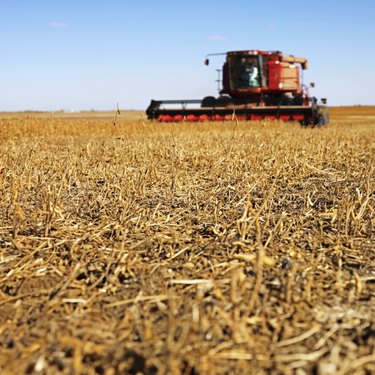
A GMO, or genetically modified organism, can be defined as a plant or animal that is created or modified through genetic engineering. This technology allows DNA from one species to be transferred into another species. Several major U.S. crops are largely composed of genetically engineered versions of their traditional counterparts. Grains, for the most part. are not genetically engineered.
Grains Are Not High-Risk
Video of the Day
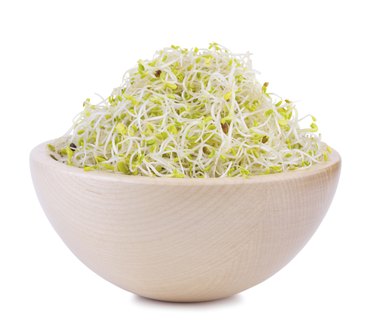
The Non-GMO Project lists eight crops or foods that are considered "high-risk" due to their widespread use. These crops include alfalfa, soy, papaya, cotton, corn, canola, sugar beets and zucchini. Corn, cotton, canola, soy and sugar beets are particularly prevalent, with around 90 percent or higher crop domination. There are no grain crops that are considered high-risk for being genetically modified.
Video of the Day
Monitored Grains
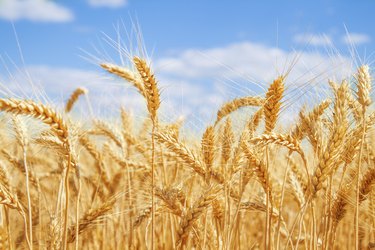
The Non-GMO Project also lists a number of monitored crops that have the potential to become contaminated through cross-pollination of other genetically engineered crops. In some instances genetically engineered versions of these crops have been developed but are not currently used in production because they have not received U.S. Department of Agriculture approval. Among these crops are wheat and rice.
GM Wheat
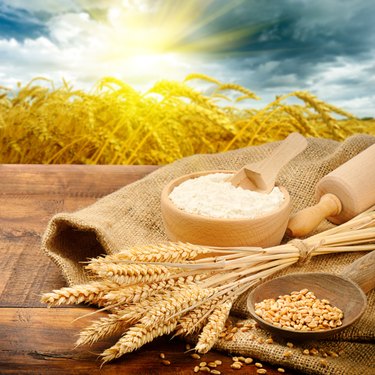
The bio-tech and agricultural company Monsanto has developed genetically modified wheat, but the USDA has yet to approve it. There have been reports of contamination by genetically modified wheat into traditional wheat fields. These incidents are isolated, however, and do not present a high risk to average consumers who wish to avoid genetically modified wheat.
Golden Rice
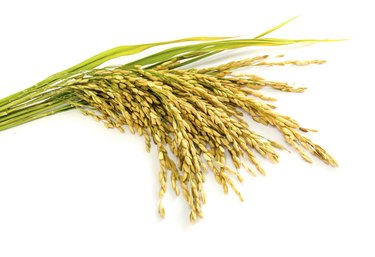
A variety of genetically modified rice known as Golden Rice has been in development since the 1990s. This rice was engineered to produce pro-vitamin A, as a way to correct vitamin A deficiencies in developing countries. Golden Rice may be able to contaminate traditional rice through cross-pollination. This rice, however, is not used in the United States.
No-Risk Grains
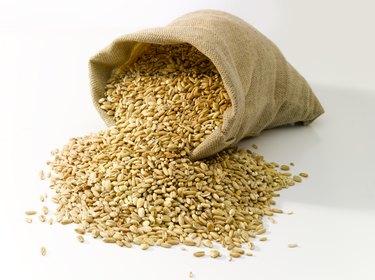
There are a number of grains for which no GM varieties exist, and there is no risk of contamination for these crops. If you want to be 100 percent certain you're consuming GMO-free grains, your options include amaranth, barley, buckwheat, bulgur, einkorn, farro, grano, kamut, millet, oats, quinoa, rye, sorghum, spelt, teff and triticale.