Should You Add Rice Cereal to Baby Formula?
Feeding your baby rice cereal provides an opportunity for you to introduce a gluten-free and allergy-free solid to your infant's diet. However, introducing this food too early or adding it directly to the baby's bottle might cause problems in your child's development.
Weight Gain
The potential that baby cereal has to make your baby gain weight might sway you toward or against adding cereal to his diet, based on your child's weight. Dr. Alan Greene, a pediatrician at Stanford University, says white rice cereal can predispose children to obesity. The American Academy of Pediatrics says babies can naturally regulate the amount of formula they need based on volume but that they can't do the same based on calories. The addition of cereal to a baby's bottle derails this mechanism and teaches him to overeat. The American Academy of Pediatrics does not recommend adding baby cereal directly to a baby's bottle because it can lead to excessive weight gain.
Allergies
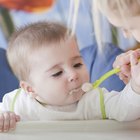
Possible Side Effects of Feeding a Baby Infant Oatmeal
Learn More
The American Academy of Pediatrics advises against introducing cereal to a baby's diet before she is developmentally ready due to the potential to increasing the risk of the baby developing food allergies. Although rice cereal is gluten-free, introducing this food too early, followed by introducing other foods immediately after, could result in the baby developing an allergy.
Digestive and Respiratory Problems
Infant cereal added directly to a baby's bottle may cause certain digestive and respiratory problems. Heidi Murkoff, author of the "What to Expect" book series, says babies can develop pulmonary difficulties from inhaling small pieces of cereal into their lungs. However, pediatricians may recommend adding cereal with baby formula to help with reflux.
Choking Problems

Do Rice Cereals Increase a Baby's Weight?
Learn More
When caregivers first introduce cereal to their baby's diet, they might be tempted to cut a hole in the bottle nipple to help the cereal pass through. However, cereal in a bottle can pose a choking hazard for infants. If your pediatrician recommends that you feed your infant cereal with her formula, mix cereal and formula together in a bowl or container and have her eat it with a spoon to avoid the possibility of choking.
Related Articles

Possible Side Effects of Feeding a Baby Infant Oatmeal
Learn More

Do Rice Cereals Increase a Baby's Weight?
Learn More
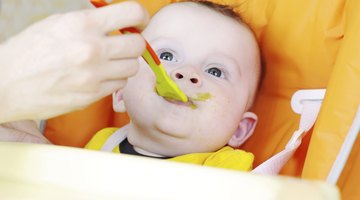
Reasons to Start Rice Cereal Early in an Infant
Learn More

What Are the Dangers of Mixing Baby Formula Improperly?
Learn More
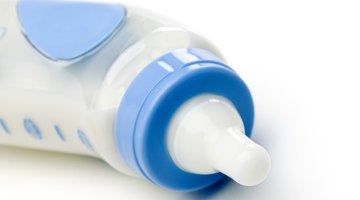
Advantages & Disadvantages of Using Formula With Rice for Newborns
Learn More

How to Prevent Infants from Choking While Bottle Feeding
Learn More

How to Feed a Baby Gerber Puff Cereal
Learn More

Baby Rice Cereal & Gas
Learn More
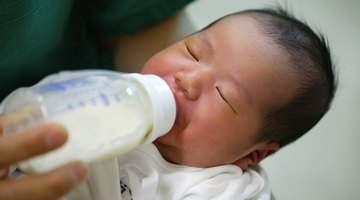
Is it Unhealthy for a 2-Month-Old Baby to Eat Cereal?
Learn More

How to Use a Syringe to Feed Newborn
Learn More
- HealthyChildren.org: Cereal in a Bottle: Solid Food Shortcuts to Avoid
- ABC News: Rice Cereal Controversy: Does It Make Kids Fat?
- What to Expect: Too Soon for Solids?
- Baby Center: Will My Baby Sleep Better If I Add Cereal to His Bottle at Night?
- Dr. Greene.com: Baby Bottles and Cereal
- Advances in Pediatrics: Opportunities for the Primary Prevention of Obesity During Infancy
- KidsHealth: Feeding Your 4- to 7-Month Old

Samantha Kemp is a lawyer for a general practice firm. She has been writing professionally since 2009. Her articles focus on legal issues, personal finance, business and education. Kemp acquired her JD from the University of Arkansas School of Law. She also has degrees in economics and business and teaching.
