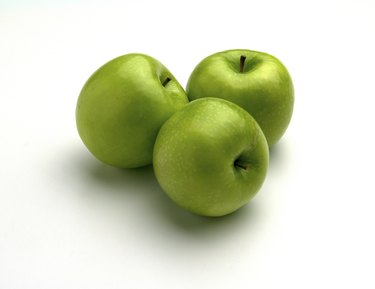
The Feingold diet eliminates certain chemicals in a way that helps you identify food intolerances. Food additives have been linked to hyperactive behaviors in some children, according to a review published in the August 2011 edition of the journal "Pediatrics and Child Health." Researchers found evidence supporting the theory that artificial food coloring and benzoate preservatives promote hyperactive behavior in children, especially if they have an existing hyperactive syndrome. Studies repeatedly demonstrate that some children respond to a diet that eliminates food additives, according to the review. No current studies examining the effectiveness of the Feingold diet exist. Talk to your pediatrician before making major changes to your child's diet.
The Dietary Connection
Video of the Day

Food intolerance occurs when your body has trouble digesting substances in the foods you eat. Natural substances found in healthy foods such as fruits and vegetables can trigger symptoms, and so can food additives. Many food intolerance symptoms are gastrointestinal in nature, such as gas, bloating or abdominal discomfort. Symptoms that may be unrelated to diet can occur, however. For example, a food intolerance can cause children to become irritable and restless and can make behavior problems such as attention deficit hyperactivity disorder worse, according to Royal Prince Alfred Hospital.
Video of the Day
About the Feingold Diet

The Feingold diet can help you determine whether your child has a food sensitivity. You eliminate artificial colors, artificial sweeteners, three preservatives -- BHA, BHT and TBHQ -- and substances called salicylates. Then you observe your child's response, and if favorable, slowly reintroduce salicylates as tolerated. Many natural foods such as fruits and vegetables contain salicylates, so you don't want to exclude these healthy foods unless your child has a salicylate intolerance.
Artificial and Preservative Elimination List
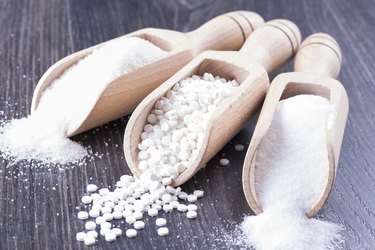
The Feingold diet list contains foods that you need to avoid. Eliminate foods with artificial colors and sweeteners. Check the ingredient list for names such as Yellow No. 5, Red No. 40, Green No. 3 and Blue No. 2. Some children are sensitive to dyes, while others are sensitive to artificial sweeteners. Check labels for ingredients such as acesulfame-K, aspartame, saccharin and sucralose. Preservatives prevent food from spoiling, but some children are sensitive to them. Check labels for butylated hydroxyanisole, or BHA; butylated hydroxytoluene, or BHT; and tert-butylhydroquinone, or TBHQ.
Salicylate Elimination List
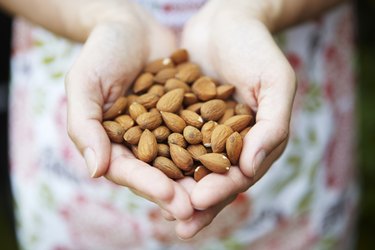
Salicylates are a family of plant substances found naturally in a variety of fruits, vegetables, nuts, herbs, jams and juices. They are thought by some to trigger symptoms in sensitive individuals. Initially, you eliminated salicylate-containing foods. The foods you'll eliminate include almonds, apples, apricots, berries, cucumbers, pickles, plums, oranges, peaches, tomatoes, tangerines and grapes.
Examples of Allowed Foods
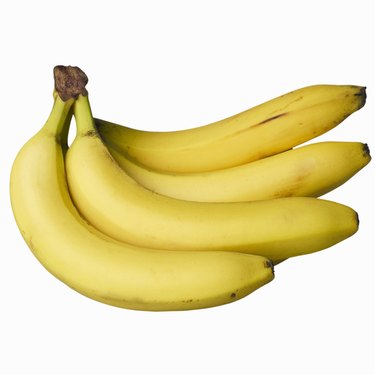
Foods free of the most common food-intolerance substances are allowed. Examples of allowed fruits include bananas, cantaloupe, dates, grapefruit, kiwi, mangoes, papaya, pineapple and watermelon. Examples of allowed vegetables include beans, broccoli, beets, cabbage, brussels sprouts, cauliflower, kale, lentils, potatoes, mushrooms and celery.
- Feingold.org: Behavior, Learning and Health: the Dietary Connection
- Royal Prince Alfred Hospital: The RPAH Elimination Diet Handbook
- Center for Science in the Public Interest: A Parent's Guide to Diet, ADHD and Behavior
- Paediatrics & Child Health: Food Additives, Essential Nutrients and Neurodevelopmental Behavioural Disorders in Children: a Brief Review