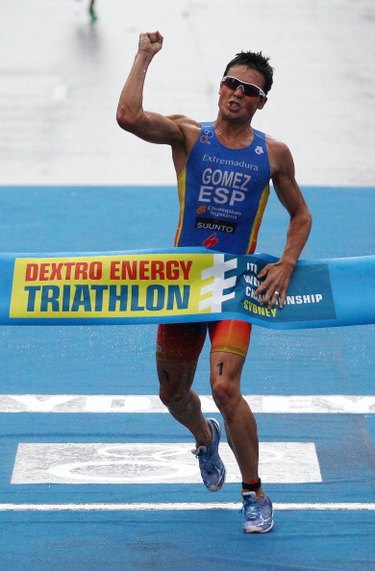
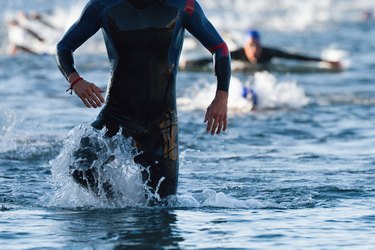
Since triathlons blend three separate disciplines into a single racing event, comfort and functionality go hand-in-hand when choosing what to wear on race day. If you are a beginning or intermediate triathlete, comfort tends to play a greater role in your wardrobe choices, but as you progress and your skills are honed, you will find the more technologically advanced apparel helps shave time and save you energy.
Goggles
The triathlete has two different types of goggles to consider: standard pool goggles and the swim mask. Standard pool goggles essentially cover your eyes for the purpose of protecting them from chlorine while allowing you to open your eyes in the pool to see other swimmers and lane markers. Swim masks are better suited for open-water swimming. They are larger to better protect your eye region from swimmers kicking ahead of you, while also allowing you to see better with your peripheral vision in the murky waters. Clear or lightly tinted goggles are best for swimming in dark waters, while reflective and heavily tinted goggles are used in bright conditions and most pool swimming.
Swimsuits
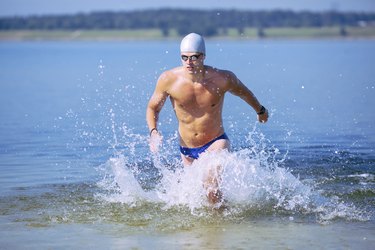
Lycra swimsuits adhere well to your body, so they keep your breasts and stomach supported and also help prevent drag while in the water. If you are comfortable enough in the suit, you can also bike and run in it and not have to hassle with a wardrobe change until post-race. However, if you opt for the swimsuit in the water but do not feel like biking and running semi-exposed, you can easily slip some shorts and a t-shirt on over your swimsuit in the first transition so you can bike and run in covered-up comfort.
Trisuits
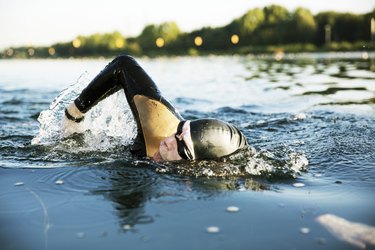
Trisuits are also available for this purpose. These are wetsuits specifically designed for triathlon racing, so they allow more protection from cooler water temperatures than your standard swimsuit, but are still thin and comfortable enough to wear for the remainder of your triathlon. Trisuits and wetsuits can be pricey, so if you are not ready to purchase one for yourself just yet, rental options are available.
Cycling Shoes
Clipless cycling shoes are a topic of much debate in triathlon. Clipless shoes are used in conjunction with specialized pedals that grip this kind of cycling shoe for greater control over your speed and power, but using these also means an extra shoe change in your second transition, so you will have to weigh these pro's and con's to decide what option works best for your needs and budget.
Running Shoes
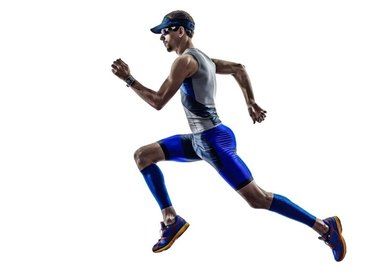
Running shoes are a low-hassle choice of shoes available for triathlon racing. These can be worn right out of the water from the first transition area right through your bike and run courses and allow for fewer transition steps. You can also wait until after the bike course to change into them on your way out to your run. Your running shoes need to be already well broken-in before race day to help prevent blisters and additional discomfort during your race.
References
- "Triathlons for Women"; Sally Edwards, 2010
- "Triathlon 101"; John Mora; 1999
- "Dave Scott's Triathlon Training"; Dave Scott; 1986


Member Comments