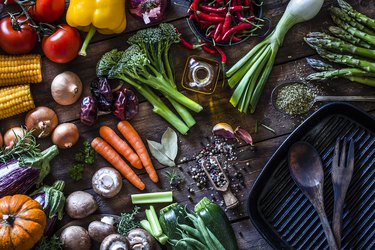
Switching to a vegetarian diet might one of the best things you can do for your health. In fact, more than 5 percent of Americans are vegetarians, according to a study published in the journal Nutrition in April 2014. Vegetarians seem to have a lower risk of diabetes, obesity and cardiovascular problems compared to meat eaters. This dietary pattern comes with its challenges, though, and it's important to make sure that you get the nutrients needed for optimal health.
Tip
A poorly planned vegetarian diet can lead to nutrient deficiencies. Variety is the key. Make sure your meals include a wide range of fruits, vegetables, nuts, grains and other whole foods.
Video of the Day
Why Go Vegetarian?
Different people ditch meat and animal products for different reasons. Some want to enjoy better health and well-being. Some are trying to reduce their carbon footprint and protect the environment. Others care about animals and want a ban on slaughterhouses. No matter your reason, switching to a vegetarian diet is a major decision that requires lifestyle changes.
Video of the Day
Thousands of studies confirm the health benefits of going meatless. According to the American Heart Association (AHA), vegetarian diets and Mediterranean diets are equally effective at reducing the risk of heart disease. These eating patterns have been linked to lower rates of stroke, obesity and cardiac events.
As the AHA points out, vegetarian diets may be more effective at lowering bad cholesterol. The Mediterranean diet, on the other hand, may lead to a greater reduction in triglyceride levels. Researchers attribute these benefits to the high intake of fruits, vegetables, nuts, seeds, legumes and other whole foods. Both diets limit saturated fat, which can further lower the risk of cardiovascular disease.
Going meatless may also reduce your odds of cancer, according to a review posted in the European Journal of Clinical Nutrition in October 2018. In one large cohort study, cancer risk was 11 to 19 percent lower in vegans, vegetarians and fish eaters compared to meat eaters. In another study, vegans had a 16 percent lower risk of developing this disease. Furthermore, ditching meat has been shown to reduce greenhouse gas emissions by 29 to 60 percent.
Switching to a Vegetarian Diet
Vegetarian diets abound in fresh fruits, colorful veggies, whole grains, beans and other nutritious foods that fuel your body and keep you energized. Plus, they have none of the risks associated with meat consumption. Both red meat and processed meats have been linked to higher rates of colorectal cancer, heart disease and death from all causes.
A September 2016 review published in the Journal of Internal Medicine highlights the potential risks of red meat consumption. Eating just one serving of red meat (3.5 ounces) per day may increase the risk of stroke and breast risk by 11 percent, the risk of prostate cancer by 19 percent and the risk of colorectal cancer by 17 percent.
This popular food may also contribute to diabetes, cardiovascular mortality and pancreatic cancer. Additionally, it may play a role in the onset of insulin resistance due to its high content of cholesterol and saturated fats, but more research is needed to confirm these findings.
Switching to a vegetarian diet comes with its challenges, though. Vitamin deficiencies, food cravings and unwanted weight loss are just a few to mention. If you're new to this lifestyle, you may not know what to eat to get enough protein, vitamin D, taurine and other nutrients that are found mostly in animal foods.
Read more: 12 Tips to Getting a Vegetarian Diet Right
The side effects of going vegan are often due to nutrient deficiencies. If you choose this path, it's essential to keep your diet varied.
Bloating and Diarrhea
Most plant-based foods are high in fiber. This nutrient supports digestive function, regulates blood sugar and increases satiety, among other benefits. The problem is too much of it may cause bloating, gas and changes in bowel habits. If you Google "vegan diarrhea," you'll find quite a lot of horror stories.
According to the International Foundation for Gastrointestinal Disorders, excess fiber is more likely to cause gas and diarrhea in those with irritable bowel syndrome (IBS). Certain plant-based foods, especially beans, lentils, cabbage, cauliflower, soybeans, onions and peanuts, increase the production of gas, leaving you feeling bloated and full. Sure, not everyone will experience these symptoms, but if you have a sensitive stomach or IBS, it's better to watch your fiber intake.
The Canadian Society of Intestinal Research recommends limiting the foods listed above, as well as whole wheat, bulgur, bran, figs, prunes, broccoli and Brussels sprouts, to prevent and relieve diarrhea. Some plant-based foods, such as bananas, potatoes, squash, oatmeal and white rice, are less likely to have this side effect.
A study published in the journal Plos One in August 2017 states that vegetarian diets are unlikely to cause IBS. However, certain sugars in plant-based foods, such as mono and disaccharides, may cause gas and bloating as they ferment in the digestive tract. Researchers point out that some foods allowed on vegetarian diets may improve IBS, while others can worsen its symptoms.
Vitamin B12 Deficiency
Vitamin B12 deficiency is one of the most common side effects of going vegan or vegetarian, according to the National Institutes of Health (NIH). This nutrient is found only in animal foods, including fish, meat, dairy and eggs. One way to prevent deficiencies is to purchase fortified cereals, fortified orange juice and other similar products or take vitamin B12 supplements.
As the NIH points out, 1.5 to 15 percent of Americans are deficient in vitamin B12, which may increase their risk of anemia, memory problems, depression, dementia and balance issues. This condition can also affect your energy and stamina, cause weight loss and trigger nerve problems.
A good way to increase your vitamin B12 intake is to flavor your meals with nutritional yeast. This food contains 17.60 micrograms of vitamin B12 per cup, which is significantly more than the recommended daily amount for adults (2.4 micrograms). You need to eat just 2 tablespoons of nutritional yeast per day to meet these guidelines.
Read more: Vegetarian Foods Rich in Vitamin B12
Eggs and cheese are rich in vitamin B12 too. One large egg contains about 0.45 micrograms of vitamin B12. Pair these foods with nutritional yeast to prevent deficiencies. If you're a vegan, add nutritional yeast to mashed potatoes, soups, tofu omelets, rice or baked goods. It can replace shredded cheese in most recipes and boasts a strong flavor that will delight your taste buds.
Too Little Vitamin D
Another common problem associated with vegan and vegetarian diets is vitamin D deficiency. Like vitamin B12, this nutrient occurs mostly in meat and fish. Tuna, salmon, beef and chicken liver, cod liver oil, shrimps and egg yolks are among the best sources. Some plant-based foods, such as portobello mushrooms, fortified tofu and fortified cereals, provide vitamin D, too.
This nutrient plays a key role in calcium absorption. Without it, your body cannot build strong bones. Vitamin D also supports immune, muscle and nerve function. If you're not getting enough of it, you may develop osteoporosis, osteomalacia and other bone disorders in the long run.
A February 2016 clinical review published in the Journal of the American Osteopathic Association shows a direct link between veganism and vitamin D deficiency. In one study, fractures were 30 percent more common in vegans compared to the general population. However, this risk was only present in those who got at least 525 milligrams of calcium per day.
Vegetarians are less likely to be deficient in vitamin D because this nutrient occurs naturally in eggs, cheese and milk. Cheddar cheese, for example, provides 10.5 international units (IU) of vitamin D per serving (1.5 ounces), while one extra large egg boasts 46 IU. One cup of whole milk delivers 120 IU of vitamin D. The daily recommended amount is 600 IU. Vegetarian diets that include dairy foods are unlikely to cause a deficiency of vitamin D.
As you see, the key is to keep your diet varied. Salads are not your only option. Recreate your favorite recipes using plant-based ingredients, make smart food swaps and try new spices. Get blood tests done regularly to monitor your nutrient levels and then adjust your diet accordingly.
- MDPI: "Beyond Meatless, the Health Effects of Vegan Diets: Findings From the Adventist Cohorts"
- American Heart Association: "Vegetarian and Mediterranean Diet May Be Equally Effective in Preventing Heart Disease"
- Nature.com: "Health and Sustainability Outcomes of Vegetarian Dietary Patterns: A Revisit of the Epic-Oxford and the Adventist Health Study-2 Cohorts"
- NCBI: "Health Risks Associated With Meat Consumption: A Review of Epidemiological Studies"
- Wiley Online Library: "Potential Health Hazards of Eating Red Meat"
- University of Michigan Health System: "The Role of Fiber"
- About IBS: "Diet and IBS"
- Canadian Society of Intestinal Research: "Diarrhea and Diet"
- Plos One: "Association Between Self-Reported Vegetarian Diet and the Irritable Bowel Syndrome in the French Nutrinet Cohort"
- NIH: "Vitamin B12"
- USDA: "Large Flake Nutritional Yeast"
- USDA: "Whole Eggs"
- NIH: "Vitamin D"
- Journal of the American Osteopathic Association: "How to Monitor and Advise Vegans to Ensure Adequate Nutrient Intake"
- USDA: "Cheddar Cheese"