Ryan McVay/Digital Vision/Getty Images
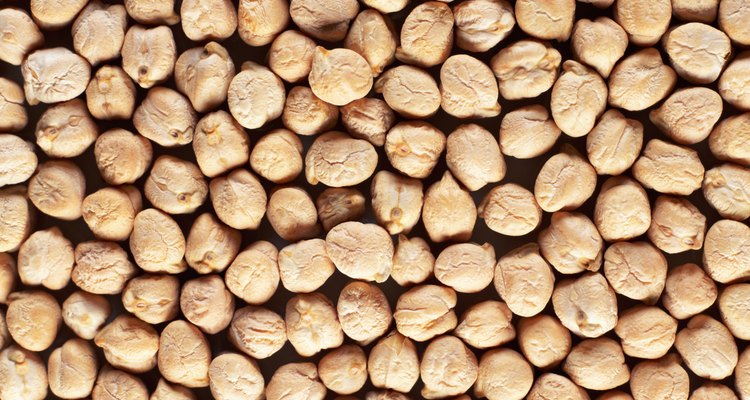
Delicious additions to stir-fries and hummus, sprouted garbanzo beans are rich sources of macronutrients and micronutrients. They are good sources of digestive enzymes, protein, calcium, magnesium and iron, as well as vitamins A and C. Because the sprouting process breaks down some of the starches in the garbanzo beans, the sprouts are typically more easily digested than regular garbanzos, also known as chick peas. To get the most flavor and nutrition out of your garbanzo bean sprouts, eat them when they are fresh.
Characteristics of Fresh Sprouts
Your garbanzo bean sprouts are at their peak when they are between 1/4-inch and 1/2-inch long. Their white roots should be crispy and crunchy, and the surface of the roots should be slightly moist. If you’ve exposed your roots to sunlight after sprouting, the leaves should be yellow or light green.
Characteristic of Spoiled Sprouts
Garbanzo bean sprouts that are past their prime will have roots that have begun to darken. They will be slimy or mushy to the touch. They might also have a musty odor, and you might find visible mold either on the root or on the bean.
Ideal Growing Conditions
While you are sprouting your garbanzo beans, pay close attention to the air circulation and moisture levels in your sprouter. If you crowd too many beans into the sprouter, the garbanzo beans might spoil or rot while sprouting. Likewise, if you have too much moisture in your sprouter, the beans might become moldy as they sprout. Those sprouts are spoiled and should not be eaten.
Ideal Storage Conditions
Storing your sprouted garbanzo beans properly can keep them fresh longer. As soon as they’re ready -- typically three or four days after you begin the sprouting process -- remove the sprouts from the sprouter. Give them a quick rinse in cold water, and wrap them in paper towels. Then, place the paper towels in a sealable plastic bag in the refrigerator. Store them in the crisper or the coldest part of your refrigerator. They should ideally be stored at just under 32 degrees Fahrenheit. When stored properly, the sprouts will remain fresh for up to five days.
Related Articles

How to Store Alfalfa Sprouts

How to Blanch Lima Beans

Should You Steam or Blanch Bean Sprouts ...

The Difference Between Dried Peas and ...
What Type of Beans Are Good for ...

How to Store Brussels Sprouts
How to Freeze Fresh Shelled Black Eyed ...

Do Almonds Ever Go Bad?

How to Cook Green Beans to Be Crisp and ...

How to Cook Broad Bean Shells
Do Jalapenos Need to Be Refrigerated?
How to Freeze Garbanzo Beans

How Long Can You Freeze Fresh ...

How to Freeze Dewberries

How to Keep My Socks From Fading
How to Cook Beans

Why Do Sprouts Taste Bitter?

How to Store Apples
Why Are My Collard Greens Bitter?

When Is Bok Choy Bad?
References
- Fine Cooking in Season: Your Guide to Choosing and Preparing the Season’s Best; Fine Cooking Magazine
- Simply Living: A Gatherer’s Guide to New Zealand’s Fields, Forests and Shores; Gwen Skinner
- Boy’s Life: Grow Some Sprouts
- Living Cuisine: The Art and Spirit of Raw Food; Renee Loux Underkoffler
- Super Nutrition Gardening: How to Grow Your Own PowerCharged Food; William S. Peavy and Warren Peary
Writer Bio
Kat Black is a professional writer currently completing her doctorate in musicology/ She has won several prestigious awards for her research, and has had extensive training in classical music and dance.
Photo Credits
Ryan McVay/Digital Vision/Getty Images